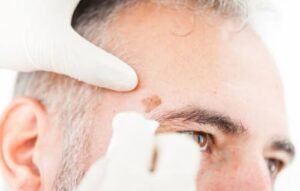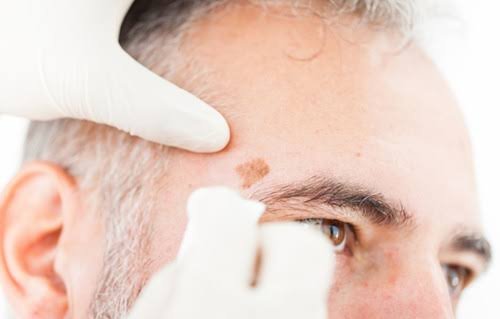
Skin lesions can vary considerably in their appearance, size, location and underlying cause. Some develop gradually over time, while others may appear suddenly or change in response to age, hormonal influences or other factors. Although many skin lesions are harmless, understanding their characteristics is important when deciding whether treatment is necessary and which approach may be suitable.
Choosing an appropriate treatment involves more than simply removing a visible mark or lump. A clinician considers the lesion’s clinical features, the patient’s medical history, its position on the body and whether further examination is needed. These factors help determine whether observation, a minor surgical procedure or another treatment method is the most appropriate option.
For individuals exploring Minor Surgery in UK, understanding how clinicians assess skin lesions can make the consultation process clearer and help them make informed decisions about their care. At Well Life Clinic, the assessment process provides an opportunity to discuss the skin concern, understand the available approaches and consider a treatment plan based on individual needs.
Understanding the Type of Skin Lesion
The first step in selecting an appropriate treatment is identifying the type of lesion being assessed. Skin lesions include a wide range of changes, such as raised bumps, small growths, cysts, moles, skin tags and other abnormalities affecting the skin’s surface or deeper layers.
Different lesions may have similar appearances but require different approaches. For example, a soft, hanging growth may be consistent with a skin tag, whereas a rounded lump beneath the skin could indicate a cyst. A pigmented mark may be an ordinary mole, but changes in its colour, shape or size may require further investigation.
A clinician begins by examining the lesion and gathering information about its development. The aim is to understand what the lesion might be and whether it can be managed through a straightforward procedure or needs additional assessment.
This distinction is important because treatment should be selected according to the nature of the lesion rather than its appearance alone.
Reviewing the Lesion’s Size, Shape and Appearance
The physical characteristics of a skin lesion provide useful information when determining the next step. During a consultation, a clinician may assess its dimensions, shape, colour, texture and position in relation to the surrounding skin.
A small, clearly identifiable skin tag may be suitable for a simple removal technique. In contrast, a larger lump or a lesion extending beneath the skin’s surface may require a different approach. The depth of the lesion can influence the type of procedure considered and whether tissue examination may be appropriate.
Colour and surface characteristics are also relevant. A lesion that has developed irregular pigmentation, an uneven border or noticeable changes over time may need further investigation before removal is considered.
The clinician also examines whether the lesion appears attached to deeper tissue or moves freely beneath the skin. These observations help establish its likely nature and determine whether a minor surgical procedure is suitable.
The objective is to select an approach that addresses the clinical concern while taking the lesion’s individual characteristics into account.
Considering Changes in the Skin Lesion Over Time
The history of a skin lesion is another important part of the assessment. A clinician may ask when the lesion first appeared, whether it has grown and whether its appearance has changed.
Some skin growths remain relatively stable for years, while others develop more noticeable changes. Information about these changes can help determine whether the lesion requires routine management or a more detailed examination.
Patients may be asked whether the lesion has changed in colour, developed an irregular shape, become persistently itchy or started bleeding without an obvious cause. Such details help the clinician decide whether additional investigation is needed before selecting a treatment.
A lesion that has changed rapidly or displays features that are not typical of a benign growth should not automatically be treated as a cosmetic concern. The appropriate next step may involve specialist assessment or a diagnostic procedure.
Understanding the lesion’s timeline allows the clinician to make a more informed decision about the most suitable course of action.
Reviewing Medical History Before Treatment
An individual’s medical history can influence the choice and timing of a minor surgical procedure. During the consultation, the clinician may ask about existing health conditions, previous skin treatments, allergies and medicines currently being taken.
Information about medicines that affect blood clotting is particularly relevant when planning a procedure involving an incision or removal of tissue. The clinician can explain whether any additional planning is necessary. Patients should not stop prescribed medicines unless advised to do so by an appropriate healthcare professional.
Previous procedures may also be discussed, especially if a lesion has returned after removal or if the patient has a history of unusual scarring. These details can help guide decisions about the technique and the management of the treated area.
The clinician may also ask about previous skin conditions and whether similar lesions have appeared elsewhere on the body.
Reviewing this information supports an individualised treatment plan rather than relying on a standard approach for every patient.
Determining Whether Minor Surgery Is Appropriate
Not every skin lesion requires removal. Depending on its appearance, symptoms and clinical assessment, a clinician may recommend monitoring the lesion, investigating it further or considering a minor surgical procedure.
Minor surgery can be appropriate for certain benign skin growths, cysts and other lesions when removal is clinically indicated. The specific method depends on the lesion’s characteristics and the purpose of treatment.
For example, a superficial growth may be suitable for a technique that removes tissue at the skin’s surface. A cyst may require a method designed to address the material or structure beneath the skin. Other lesions may need to be removed in a way that allows the tissue to be examined in a laboratory.
When a lesion has features that raise concern, the priority is to establish an appropriate diagnosis. This may involve further examination or referral before a treatment decision is made.
Selecting Minor Surgical Procedures In UK therefore involves matching the procedure to the clinical findings, rather than choosing a method solely because it is quick or convenient.
Comparing Different Treatment Techniques
Once the lesion has been assessed, the clinician can discuss which treatment methods may be suitable. The available options depend on the lesion type, its depth and location, and whether a tissue sample is needed.
Excision
Excision involves cutting out a lesion using a suitable surgical technique. It may be considered for certain moles, cysts and other growths where complete removal or laboratory examination of the tissue is appropriate.
The size and depth of the lesion help determine the extent of the procedure. If the removed tissue requires examination, it can be sent for histological analysis to help establish a diagnosis.
Shave Removal
Shave removal involves removing a suitable raised lesion at or near the skin’s surface. It may be considered for selected superficial growths when the clinician determines that this technique is appropriate.
It is not suitable for every type of lesion, particularly when deeper tissue assessment or a different removal method is required.
Curettage
Curettage involves using a specialised instrument to remove or scrape selected tissue. It may be appropriate for certain superficial lesions, depending on their diagnosis and characteristics.
The clinician determines whether this approach can adequately address the lesion and whether another method would be more suitable.
Drainage or Cyst Treatment
Some cysts require an approach directed at the underlying structure rather than simply treating the visible surface. Drainage may relieve the collection of material in selected circumstances, while complete removal of the cyst wall may be considered when appropriate.
The most suitable option depends on the cyst’s nature, location and current condition.
These techniques are not interchangeable. A clinical examination helps establish which method is appropriate for the particular lesion.
Assessing the Lesion’s Location on the Body
The location of a skin lesion can influence the choice of treatment. Skin thickness, movement, sensitivity and proximity to important structures vary across the body.
A lesion on the face may require particular attention to the treatment method and the expected appearance of the area afterwards. Lesions near the eyes, lips or other delicate structures may need specialised assessment or referral.
Areas exposed to frequent movement, such as the hands and joints, can also influence how a procedure is planned. The clinician considers how the location may affect wound care and the practicalities of recovery.
The amount of tissue that needs to be removed is another consideration. Where several treatment approaches are possible, the clinician discusses the available options and explains why one may be more suitable than another.
These decisions help ensure that the treatment plan reflects both the lesion’s clinical requirements and its anatomical position.
Understanding When Further Investigation Is Needed
Some lesions can be assessed clinically, while others require additional investigation before treatment is selected. This is particularly important when a lesion has unusual features or its diagnosis is uncertain.
Depending on the findings, the clinician may recommend a dermatoscopic examination, further specialist assessment or a biopsy. A biopsy involves taking a tissue sample for laboratory examination. In some cases, the entire lesion may be removed and submitted for histological assessment.
Features such as changes in pigmentation, irregular borders, unexplained bleeding or rapid growth may influence the decision to investigate further. The presence of these features does not automatically establish a particular diagnosis, but it can indicate that routine removal should not proceed without appropriate assessment.
If the lesion requires specialist investigation, the clinician can explain the recommended next step and whether referral is appropriate.
The purpose of further assessment is to make sure the treatment approach is based on a sufficiently clear understanding of the lesion.
Choosing a Private Minor Surgery Clinic in the UK
When considering treatment, patients may look for a clinic that provides a clear assessment process and explains the available options. Choosing a Private Minor Surgery Clinic In UK involves considering the clinician’s relevant experience, the services offered and the arrangements for follow-up care.
A consultation should provide an opportunity to discuss the lesion, understand why a particular treatment is being considered and ask questions about the procedure. Patients should also be informed if the lesion requires investigation or if the clinic recommends assessment by another specialist.
It is useful to understand whether tissue can be sent for laboratory examination when indicated and how results will be communicated. Clear information about preparation, aftercare and follow-up can also help patients understand the treatment pathway.
At Well Life Clinic, individuals can enquire about available minor surgery services and discuss their skin concerns with the clinical team. Suitability for a particular procedure is determined through an appropriate assessment.
The aim is to ensure that the recommended approach reflects the patient’s needs and the clinical features of the lesion.
What to Expect During the Consultation
A minor surgery consultation usually begins with a discussion about the skin concern and the patient’s reasons for seeking treatment. The clinician asks about the lesion’s history, any changes noticed and relevant medical information.
The lesion is then examined to assess its appearance, size, location and other relevant features. If the findings suggest that additional investigation is needed, the clinician explains the available options.
Where removal appears appropriate, the clinician discusses the proposed technique and why it has been selected. Patients can ask about the procedure, preparation, wound care and whether a laboratory examination may be required.
The consultation is also an opportunity to discuss expectations. Although removing a lesion may address the immediate concern, the final appearance of the skin depends on factors such as the removal method, the location and individual healing characteristics.
A clear discussion helps patients understand the reasoning behind the treatment plan and make an informed decision about proceeding.
Conclusion
Selecting the appropriate treatment for a skin lesion requires careful consideration of its type, appearance, development, location and the patient’s medical history. While some benign lesions may be suitable for straightforward removal, others require additional investigation or a different treatment pathway.
The choice between excision, shave removal, curettage or another approach depends on the clinical findings and the purpose of treatment. When the diagnosis is uncertain, further assessment should take priority over routine removal.
For those exploring Minor Surgery in UK, a professional consultation provides an opportunity to understand the available options and discuss a suitable plan. Well Life Clinic offers a point of contact for individuals seeking information about minor surgery services and assessment of skin concerns.
The most appropriate approach is one based on an informed clinical decision, with clear communication about the procedure, any necessary investigations and the expected next steps.
Frequently Asked Questions
1. How is the appropriate treatment for a skin lesion selected?
The clinician considers the lesion’s appearance, size, depth, location, changes over time and the patient’s medical history. These findings help determine whether observation, further investigation or a minor surgical procedure is appropriate.
2. Can all skin lesions be removed through minor surgery?
No. Some lesions may be suitable for minor surgery, while others require specialist assessment or a different treatment approach. The decision depends on the suspected diagnosis and the lesion’s characteristics.
3. What is the difference between excision and shave removal?
Excision involves cutting out a lesion, while shave removal removes suitable superficial growths at or near the skin’s surface. The clinician selects the method according to the lesion and whether deeper tissue assessment is necessary.
4. Why does a clinician ask about changes in a skin lesion?
Changes in size, shape, colour or behaviour can provide important diagnostic information. Rapid growth, unexplained bleeding or irregular pigmentation may indicate that further investigation is needed before treatment.
5. Will a skin lesion be sent for laboratory testing?
Some removed lesions are sent for histological examination, particularly when confirmation of the diagnosis is important. Whether testing is recommended depends on the lesion’s clinical features and the procedure performed.
6. Does the location of a skin lesion affect treatment selection?
Yes. The location can influence the choice of technique because skin thickness, movement, sensitivity and proximity to delicate structures vary across the body. Facial and other sensitive areas may require particular consideration.
7. What should I discuss during a minor surgery consultation?
You can discuss when the lesion appeared, any changes you have noticed, relevant medical conditions, current medicines, previous treatments and your expectations. You can also ask about the proposed procedure, laboratory testing and follow-up arrangements.
8. How do I find out whether I am suitable for minor surgery in the UK?
Arrange a consultation with an appropriately qualified healthcare professional who can examine the lesion and review your medical history. They can explain whether minor surgery is suitable or whether further investigation or referral is needed.
9. Can a skin lesion be removed for cosmetic reasons?
Some benign lesions may be considered for removal because of their appearance or because they catch on clothing or jewellery. However, the clinician should assess the lesion first to determine whether removal is appropriate and whether diagnostic investigation is required.
10. Can I contact Well Life Clinic about minor surgery?
You can contact Well Life Clinic to enquire about its minor surgery services and the assessment process. The clinical team can advise on the next steps and whether an appointment is appropriate for your particular skin concern.