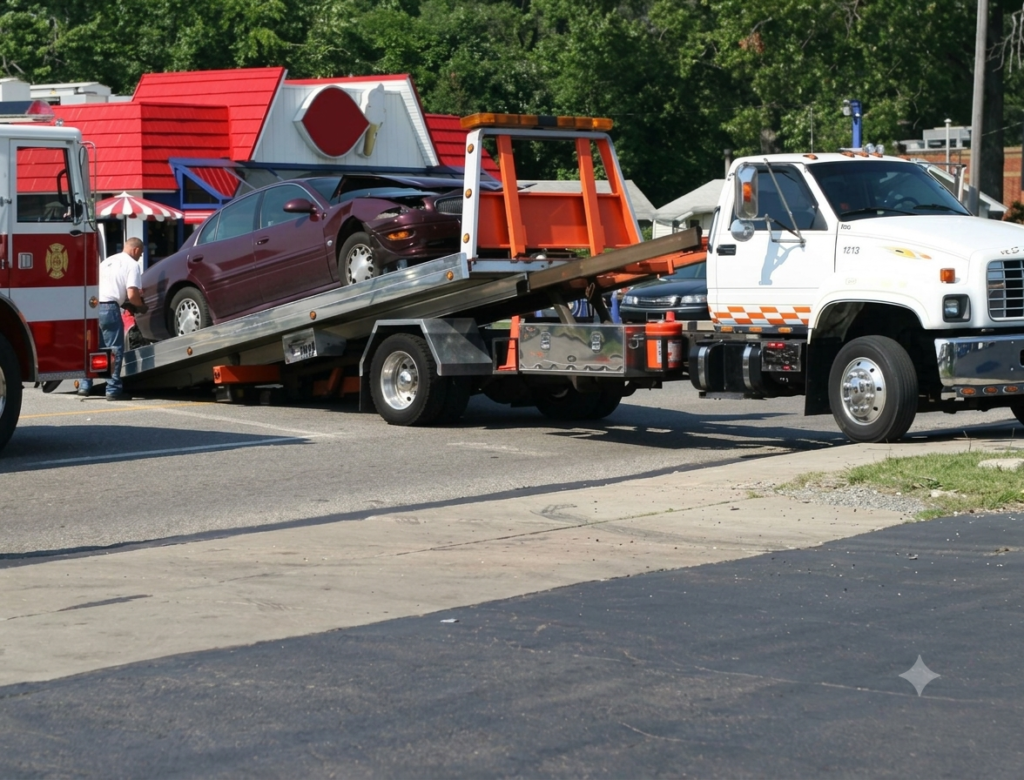
A vehicle that refuses to start can create unexpected challenges, especially when it needs to travel across state lines. Whether your car has engine trouble, a dead battery, transmission damage, or has been sitting unused for months, shipping a non running car can be a practical alternative to arranging repairs before a long-distance move. With the right transportation plan, owners can move inoperable vehicles without driving them onto the road.
Rapid Auto Shipping helps customers explore vehicle transportation options across the United States, including solutions for cars that cannot operate normally. Understanding the shipping process, equipment requirements, and preparation steps can make transporting a damaged vehicle more manageable.
When Driving Is No Longer an Option
Not every vehicle is ready for the road. Some develop mechanical problems unexpectedly, while others sustain damage after an accident or remain unused in storage for extended periods. In these situations, professional auto transport may help owners move their vehicles to repair shops, dealerships, auction facilities, or new locations.
Common reasons to arrange transportation for an inoperable car include:
- Engine failure: The vehicle cannot start or run reliably.
- Transmission problems: The car cannot move under its own power.
- Accident damage: Mechanical or structural issues make driving unsafe.
- Electrical failures: Faulty wiring or a dead battery prevents operation.
- Long-term storage: An unused vehicle needs relocation or restoration.
- Auction purchases: Buyers need to transport damaged or project vehicles to another state.
Identifying the specific problem helps a transport provider determine the equipment and loading method required for the shipment.
Choosing Equipment That Matches Your Vehicle
Transporting a vehicle that does not run requires a different approach from shipping a fully operational car. The appropriate equipment depends on its condition, ground clearance, weight, steering capability, and whether its wheels can roll.
Winch-equipped transport: A winch can pull a vehicle onto a trailer when its engine cannot start. This option may work when the vehicle can be moved safely and its wheels and steering allow proper loading.
Flatbed or specialized trailer: Certain vehicles may require dedicated equipment because of their condition, low ground clearance, or loading limitations. A transport professional can assess whether a flatbed or another trailer type is suitable.
Wheel dollies and skates: These devices can help position vehicles with locked wheels or other movement restrictions. Their availability depends on the carrier’s equipment and the vehicle’s condition.
Before booking, explain whether the car rolls, steers, brakes, and shifts into neutral. If it has severe accident damage, locked wheels, or a compromised frame, disclose those details in advance.
What Determines the Cost of Shipping an Inoperable Vehicle?
The price of shipping a non running car depends on more than the distance between pickup and delivery locations. Because loading may require additional labor, specialized equipment, or extra handling time, an inoperable vehicle can cost more to transport than a comparable running car.
Several factors influence the final quote:
| Cost Factor | How It Affects Shipping |
| Distance | Longer routes generally increase the overall transportation cost. |
| Vehicle condition | Severe damage or locked wheels may require additional handling. |
| Loading equipment | Specialized trailers or winching services can increase expenses. |
| Vehicle size | Larger and heavier vehicles may require more capacity. |
| Pickup location | Restricted access or difficult loading conditions can add complexity. |
| Delivery requirements | Remote destinations or specific scheduling requests may affect pricing. |
To receive a more accurate estimate, provide the vehicle’s make, model, year, current condition, and exact pickup and delivery locations. Ask whether the quote includes non-running vehicle fees, loading charges, and any additional equipment costs.
Prepare the Car Before the Carrier Arrives
Even if the vehicle cannot start, a few preparation steps can help prevent delays and make the handoff smoother.
- Describe the mechanical condition honestly. Explain why the car does not run and identify any damaged components.
- Remove personal belongings. Keep the vehicle clear of loose items unless the carrier specifically permits otherwise.
- Secure removable parts. Make sure loose exterior components are addressed before transportation.
- Document existing damage. Take clear photographs of the body, wheels, interior, and any visible mechanical damage.
- Provide access instructions. Mention narrow driveways, parking restrictions, low clearance, or other loading obstacles.
- Confirm delivery arrangements. Ensure the destination can accommodate the trailer and the vehicle can be unloaded safely.
Also, gather the keys and any relevant vehicle information requested by the carrier. If the steering column is locked or the wheels cannot turn, communicate this before pickup rather than waiting until the driver arrives.
Avoid These Common Booking Mistakes
A low initial quote may not reflect the complete cost of moving an inoperable vehicle. Before selecting a provider, confirm that the carrier knows the vehicle’s actual condition and has suitable equipment.
Avoid describing a damaged car as merely needing a jump-start if it also has transmission trouble or locked wheels. Do not assume every standard auto transport truck can load a vehicle that cannot roll. It is also wise to clarify the expected pickup window, delivery arrangements, insurance coverage, cancellation terms, and payment conditions.
Rapid Auto Shipping encourages customers to share accurate vehicle details when requesting transportation estimates. Clear communication allows the shipping arrangements to be evaluated before dispatch and helps reduce unexpected complications.
Make Your Next Move Easier With Rapid Auto Shipping
A car that cannot start does not necessarily need to remain at its current location. With appropriate equipment, advance planning, and a carrier that understands the vehicle’s limitations, transportation can be arranged for many damaged and inoperable vehicles.
Rapid Auto Shipping helps customers explore options for moving vehicles throughout the United States. Whether you are relocating, purchasing a project car, sending a vehicle to a mechanic, or moving an auction purchase, requesting a quote is a useful first step. Share the car’s condition, route, and loading requirements to determine which transportation solution best fits your needs.
Frequently Asked Questions
- Can I ship a car that does not start?
Yes. Many inoperable vehicles can be transported using suitable trailers, winches, or other loading equipment. The exact method depends on the vehicle’s condition.
- Is shipping a non running car more expensive?
It can be. Additional loading labor, specialized equipment, and vehicle accessibility may increase the cost compared with shipping a running car.
- Can a damaged car be transported after an accident?
Often, yes. However, the extent of the damage matters. Structural damage, leaking fluids, or severely compromised wheels may require specialized arrangements or make certain loading methods unsuitable.
- Do I need to repair my car before shipping it?
Not necessarily. Many vehicles can be transported without repairs, provided the carrier can load and secure them safely. Explain all known problems before booking.
- What information should I provide when requesting a quote?
Share the vehicle’s make, model, year, pickup and delivery locations, and exact operating condition. Mention whether it rolls, steers, brakes, and shifts into neutral so the provider can evaluate the required equipment.