Modern architecture is moving beyond straight walls, rigid surfaces, and conventional rectangular display installations. In shopping malls, corporate offices, luxury retail stores, hotels, and exhibition spaces, designers are increasingly exploring curved structures and immersive digital features that make interiors more distinctive. As businesses look for innovative ways to combine technology with design, flexible LED technology is opening new possibilities for architectural creativity.
Unlike conventional LED panels designed primarily for flat surfaces, flexible LED displays can be configured to follow selected curves and contours. This allows designers to integrate digital visuals into rounded columns, curved walls, artistic structures, and other unconventional interior features.
For businesses considering an indoor led screen, Flexible LED screens offer an alternative when a standard flat display cannot achieve the desired architectural effect. With suitable display modules, structural planning, and creative content, businesses can turn ordinary indoor spaces into visually engaging environments that support branding, communication, and customer experiences.
What Are Flexible LED Screens?
Flexible LED screens are digital displays built with specially designed modules that can bend or conform to particular shapes within their permitted design limits. Their construction allows them to form curved display surfaces that would be difficult or impractical to achieve using standard rigid LED cabinets.
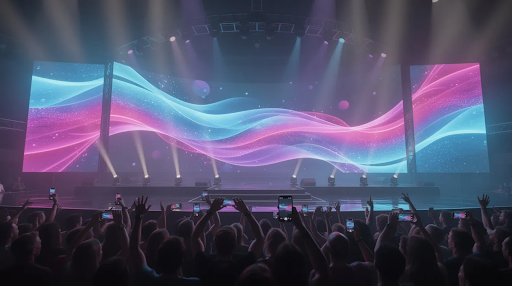
Depending on the product, flexible LED modules may be used to create concave curves, convex curves, cylindrical displays, or selected wave-shaped structures. The achievable shape depends on the module design, minimum bending radius, cabinet system, and installation method.
How Does Flexible LED Technology Work?
Flexible LED displays typically use LED modules and supporting components designed to accommodate a specific degree of curvature. These modules are assembled into a larger display structure, with power supplies, control systems, and mounting components selected for the intended installation.
The term “flexible” does not mean that every display can bend freely in every direction. Each product has technical limits, and bending beyond the manufacturer’s specifications may damage the module, electrical connections, or display components.
Businesses should therefore confirm the permitted curvature, module dimensions, maintenance requirements, and installation method before selecting a flexible LED solution.
Why Flexible LED Screens Are Changing Indoor Architecture
1. Creating Curved Architectural Features
Curved walls and rounded structures are common in contemporary interior design. They can soften the appearance of a space, guide visitor movement, and create a more fluid visual experience.
Traditional flat LED panels may require multiple cabinets, specialised structures, or visible transitions to follow a curved surface. Flexible LED modules can make certain curved designs easier to achieve, depending on the display system.
For example, a shopping mall could incorporate a curved digital wall around a central column. A hotel lobby might use a sweeping display behind the reception desk to present welcome messages and atmospheric visuals.
These installations allow digital content to become part of the architecture rather than appearing as a separate screen attached to a wall.
2. Enhancing Brand Identity
Businesses often use interior design to express their brand personality. Technology companies may prefer futuristic visual environments, while luxury retailers might focus on elegant materials, soft curves, and refined lighting.
Flexible LED displays can support these different approaches by presenting branded animations, promotional videos, product visuals, and digital artwork on curved surfaces.
A distinctive curved screen can help a reception area or showroom stand out while reinforcing the business’s visual identity. However, the display shape should complement the brand and the surrounding interior rather than becoming an unnecessary design feature.
3. Making Better Use of Unconventional Spaces
Some interior spaces contain rounded columns, curved partitions, or architectural features that are difficult to accommodate with conventional rectangular screens.
Flexible LED modules can help designers incorporate digital content into these areas. Instead of leaving a structural column visually separate from the surrounding digital environment, a suitable display system can wrap around part of the column and create a more integrated appearance.
The final result depends on the column dimensions, screen curvature, viewing distance, and access requirements for installation and maintenance.
Where Flexible LED Screens Work Best
Shopping Malls and Retail Stores
Retail environments depend on visual merchandising to attract attention and encourage customers to explore products. Curved LED displays can create dynamic promotional surfaces around entrances, feature walls, and selected architectural structures.
Fashion retailers can use them to present seasonal campaigns, product launches, and animated brand stories. Shopping mall operators may incorporate curved screens into atriums or central areas to support advertising and event promotions.
For close-up retail environments, the display’s resolution and viewing distance are especially important. Content should remain clear enough for the intended audience without requiring unnecessary pixel density or expense.
Corporate Offices and Reception Areas
Corporate interiors increasingly use digital displays to welcome visitors and communicate company information. A curved LED wall behind a reception desk can provide a more distinctive alternative to a conventional flat screen.
Businesses can display corporate branding, service information, company milestones, event announcements, and visual content related to their industry.
When planning an indoor led screen for a corporate environment, designers should consider how the screen integrates with reception furniture, lighting, ceiling height, and the overall layout. A curved display should enhance the space without making it difficult to read essential information.
Hotels and Hospitality Venues
Hotels, restaurants, and entertainment venues often use lighting and visual design to establish a particular atmosphere. Flexible LED displays can introduce digital artwork and animated content into curved feature walls, lounges, event spaces, and selected decorative structures.
A hotel lobby might display slow-moving abstract visuals to complement its interior design. An event venue could use a curved LED background to support presentations, entertainment, and branded events.
Content brightness and motion should match the venue’s purpose. Subtle visuals may suit a premium hospitality environment, while more energetic animation may be appropriate for entertainment spaces.
Exhibitions and Experiential Marketing
Exhibition stands must attract visitors while communicating products and services in a limited space. Curved displays can help brands create a distinctive booth design that differs from standard rectangular exhibition walls.
A manufacturer could use a curved LED installation to introduce a new product, while an experiential marketing campaign could incorporate digital visuals into a rounded structure that visitors encounter as they enter the booth.
Organisers should confirm venue height limits, installation schedules, structural requirements, electrical capacity, and the availability of suitable maintenance access.
Important Technical Considerations
Pixel Pitch and Viewing Distance
Pixel pitch is the distance between the centres of adjacent LED pixels, measured in millimetres. It affects image detail and how clearly the display appears from a particular viewing distance.
A screen intended for close viewing may require a finer pixel pitch than one positioned high above a large indoor space. Flexible displays should be evaluated using the same principles as other LED screens, while also considering the shape and viewing angles of the installation.
Businesses should assess the expected audience distance and content type before choosing a pixel pitch. Product demonstrations and detailed text may require different specifications from decorative animations.
Curvature and Minimum Bending Radius
Every flexible LED product has a permitted bending range. The minimum bending radius describes how tightly the display can curve without exceeding its design limits.
A smaller permitted radius may allow tighter curves, but the suitability of a particular product depends on the complete installation system, not just the module itself.
Designers should provide suppliers with the intended shape, dimensions, and structural drawings early in the project. This helps determine whether the proposed curve is achievable and whether custom support structures are necessary.
Brightness and Indoor Lighting
The display should be bright enough for the surrounding lighting conditions while remaining comfortable for viewers. A screen near large windows may need different brightness capabilities from one installed in a dimly lit showroom.
Adjustable brightness helps maintain visibility throughout the day. Content colours and animation speed should also be considered to prevent the display from overpowering nearby architectural features.
Installation, Maintenance, and Cost
Flexible LED displays may require specialised mounting structures, careful alignment, and experienced installation teams. The supporting frame must maintain the intended curvature while securely holding the display modules.
Maintenance access is another important consideration. Designers should establish how technicians will inspect and replace modules, access power supplies, and service control equipment without damaging nearby finishes.
The total project budget should include display hardware, supporting structures, electrical work, content production, installation, and ongoing maintenance. Custom curved designs may require additional engineering and fabrication compared with standard flat-screen installations.
Before purchasing, businesses should request technical drawings, product specifications, warranty details, and examples of completed installations using a comparable curvature.
Flexible LED Screens vs. Traditional Flat LED Screens
Traditional flat LED screens remain effective for conference rooms, presentation areas, video walls, and installations where a continuous flat surface is preferred. They can be a practical option when the architectural design does not require curvature.
Flexible LED screens are more suitable when the project calls for curved surfaces, rounded structures, or unusual display shapes. They provide additional design possibilities but may involve more specialised engineering, mounting, and installation.
The best choice depends on the project’s visual objectives, technical constraints, viewing distance, and budget. Flexible technology should be selected because it solves a genuine design requirement, not simply because it offers a different shape.
Conclusion
Flexible LED technology is expanding the possibilities of indoor digital architecture by allowing displays to follow selected curves and integrate with unconventional structures. From shopping malls and corporate reception areas to hotels, showrooms, and exhibitions, these screens can support distinctive visual experiences while reinforcing brand identity.
For businesses evaluating an indoor led screen, Flexible LED screens provide an alternative to conventional flat panels when curved walls, rounded columns, or sculptural display features are important. Successful installations require careful attention to pixel pitch, bending limits, brightness, structural support, content design, and maintenance access.
By working with an experienced LED display supplier and planning the design from the beginning, businesses can create curved digital installations that balance architectural creativity with practical performance.
Frequently Asked Questions
1. Can flexible LED screens bend around columns?
Some flexible LED modules can be installed around suitably designed columns, provided the curvature stays within the manufacturer’s permitted bending radius and the supporting structure is appropriate.
2. Are flexible LED screens suitable for indoor use?
Yes. They can be used in shopping malls, retail stores, corporate lobbies, hotels, showrooms, and exhibition spaces, depending on the product specifications and installation requirements.
3. Do flexible LED screens provide the same image quality as flat screens?
Image quality depends on pixel pitch, LED components, processing systems, brightness, and viewing distance. Flexible designs can provide high-quality visuals, but specifications should be selected for the intended application.
4. Are flexible LED screens more expensive than traditional displays?
Costs vary by product, curvature, dimensions, mounting structure, and installation complexity. Custom curved projects may require additional engineering and fabrication, so businesses should compare total project costs rather than hardware prices alone.