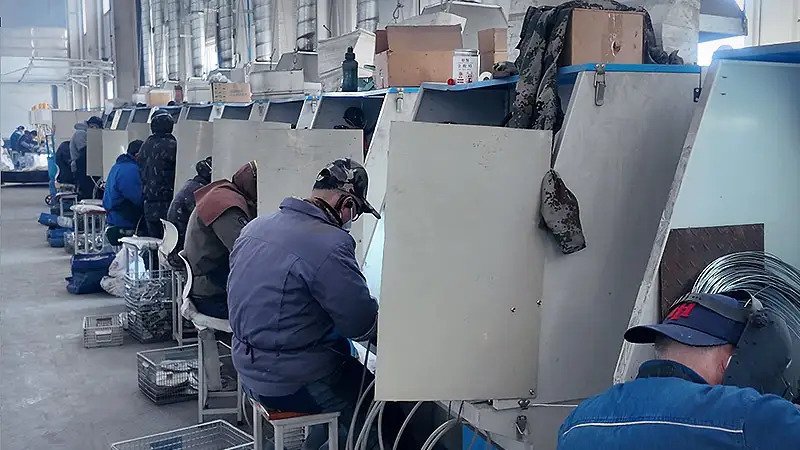
Sand castings form the backbone of countless machines, from pumps and gearboxes to agricultural and construction equipment. Because these parts often carry structural loads, choosing the right supplier is a decision with long-term consequences. A poor choice can lead to hidden defects, missed deliveries, and expensive field failures. Matech, an experienced iron castings manufacturer with more than two decades in metal components, has seen what separates dependable foundries from risky ones. This guide outlines the key factors buyers should evaluate when selecting a sand castings partner.
Check Experience and Industry Focus
Experience matters greatly in foundry work. A supplier that has produced similar parts for your industry already understands typical loads, materials, and quality expectations. Ask about the types of components they make, the sectors they serve, and how long they have been operating. Case studies or references from comparable projects are valuable evidence. A foundry with broad experience across mining, cement, automotive, and agricultural machinery is more likely to anticipate challenges and suggest design improvements before they become costly production problems.
Evaluate Production Capabilities
Not every foundry can handle every job. Review the molding processes available, such as automatic molding lines, resin sand, or shell molding, and confirm they suit your part size and volume. Ask about monthly casting capacity, the largest and smallest parts they produce, and the materials they pour regularly. A supplier with modern equipment and adequate capacity can deliver consistent quality and keep up as your demand grows. Visiting the factory, either in person or through a video tour, gives a clearer picture than brochures.
Review Material Expertise
Sand castings are produced in many materials, including gray iron, ductile iron, and various steels, each with different strength, wear, and machinability characteristics. A reliable supplier understands these grades and can recommend the right one for your application. They should verify chemical composition with spectral analysis before pouring and confirm mechanical properties through testing. Ask whether they provide material certificates with each shipment. This documentation protects buyers and proves that the castings meet the specifications on the drawing.
Assess Quality Control Systems
Strong quality control is what turns good intentions into consistent parts. Look for certifications such as ISO 9001 and ask how inspection is carried out throughout production. Dependable foundries check incoming materials, monitor molding and pouring, inspect castings visually, and verify dimensions with gauges or coordinate measuring machines. Some also use metallographic examination and hardness testing. Request sample inspection reports to see how thoroughly results are documented. A supplier that welcomes these questions is usually confident in its processes and results.
Look for Machining and Finishing Services
Most sand castings need machining on critical features before they can be assembled. Suppliers that offer CNC machining, heat treatment, and surface finishing in house save buyers considerable time and coordination effort. One-stop production reduces the risk of damage during transport between vendors and places full responsibility for quality with a single partner. It also speeds up problem solving, because the team that cast the part can quickly adjust when a machining issue reveals a casting concern.
Consider Communication and Engineering Support
Clear, responsive communication is essential, especially when working with overseas suppliers. A reliable partner assigns knowledgeable contacts who understand drawings, tolerances, and technical requirements. Engineering support, including design for manufacturability reviews, can lower costs and improve part performance before tooling is made. Pay attention to how quickly and accurately quotation questions are answered. Early interactions often reveal how a supplier will handle problems later, when fast and honest communication matters most.
Start with Samples and Build Trust
Before committing to large orders, begin with sample production. Samples allow you to verify dimensions, material properties, and surface quality under real conditions. Review the inspection reports, test the parts in your equipment, and evaluate how the supplier handles feedback. Once samples are approved, a trial batch can confirm consistency at production scale. This step-by-step approach reduces risk and builds a relationship based on proven performance. Over time, a reliable sand castings partner becomes a valuable extension of your own manufacturing team.