Lipo Suction Dubai
Someone researching liposuction Dubai clinics assumes the procedure works similarly to significant weight loss, removing a large volume of fat to produce a smaller overall body size. In practice, liposuction is designed to reshape and contour specific, stubborn areas that haven’t responded to diet and exercise, not to serve as a substitute for losing significant weight. This distinction shapes almost everything about who’s actually a good candidate and what a realistic result looks like, yet it’s one of the most commonly misunderstood aspects of the procedure.
This article explains what liposuction can and can’t realistically achieve, how surgeons determine safe volume limits, and what the different technique variations actually mean for results and recovery.
Why Liposuction Is Contouring, Not Weight Loss
What the Procedure Is Actually Designed to Address
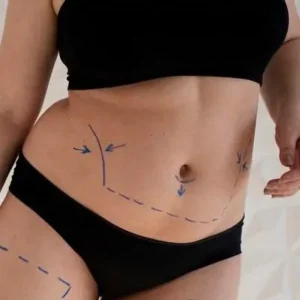
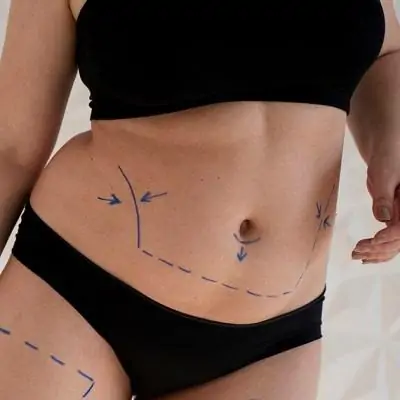
Liposuction removes localized fat deposits that persist despite consistent diet and exercise, areas like the abdomen, flanks, thighs, or upper arms where fat tends to concentrate stubbornly regardless of overall fitness level. This makes it fundamentally a body contouring procedure aimed at reshaping specific areas, not a method for achieving significant overall weight reduction.
Why Candidates Should Already Be at a Stable, Healthy Weight
Surgeons generally recommend liposuction for patients already close to their target weight, since the procedure is designed to refine stubborn areas rather than serve as a starting point for broader weight loss. A patient significantly overweight seeking lipo suction Dubai treatment as a substitute for losing weight through more conventional means is often better served by achieving that weight loss first, then considering liposuction afterward for any remaining, stubborn localized areas that didn’t respond to the weight loss itself.
Why This Matters for Setting Realistic Expectations
Understanding this distinction upfront prevents the disappointment of expecting a dramatic overall body transformation from a procedure genuinely designed to address specific, targeted areas rather than deliver comprehensive weight loss. A surgeon should clarify this distinction clearly during consultation, rather than allowing a patient to proceed with mismatched expectations about what the procedure will actually achieve.
How Surgeons Determine Safe Volume Limits
Why There’s a Genuine Ceiling on How Much Can Be Removed Safely
Surgeons work within established safe volume limits for fat removal during a single liposuction session, since removing an excessive volume in one procedure carries genuinely increased risk related to fluid shifts and overall surgical safety. This isn’t an arbitrary restriction. It reflects real physiological limits that a responsible surgeon won’t exceed regardless of a patient’s preference for more dramatic results in a single session.
What Happens When a Patient Wants More Removed Than Is Safe
For patients wanting more extensive fat removal across multiple areas than safe volume limits allow in one session, surgeons may recommend staging the procedure across separate sessions spaced appropriately apart, rather than exceeding safe limits in pursuit of a single, more dramatic result. A surgeon willing to discuss this staging clearly, rather than either exceeding safe limits or refusing to explain why a request isn’t being fully accommodated, is operating with appropriate safety priorities.
Why This Safety Consideration Sometimes Surprises Patients
Patients researching lipo suction Dubai options sometimes arrive at consultation with expectations shaped by extreme, heavily edited before and after photos suggesting far more dramatic single session results than safe practice actually allows, which is why a direct, honest conversation about realistic volume limits during consultation matters considerably for setting accurate expectations from the outset.
Understanding the Different Technique Variations
Tumescent Liposuction as the Common Foundation
Most modern liposuction approaches use a tumescent technique, where a solution containing fluid and local anesthetic is injected into the treatment area before fat removal, which helps reduce bleeding and discomfort during the procedure itself. This foundational approach underlies most of the specific technique variations offered today, even as they differ in the specific tool used to actually break up and remove fat.
How Energy Assisted Techniques Differ
Some liposuction techniques incorporate energy, ultrasound or laser, to help break down fat cells before removal, which some surgeons find assists with precision in certain areas or may offer some additional skin tightening effect, though the evidence for meaningfully superior skin tightening compared to traditional technique remains genuinely mixed rather than definitively established. A surgeon should describe the specific advantages of any energy assisted technique honestly, calibrated to what current evidence actually supports rather than overstating skin tightening benefits that remain a genuinely debated area.
Why Technique Choice Should Match the Specific Area and Goal
The right technique for a specific patient depends on the treatment area, the fat’s characteristics, and the specific goal involved, rather than one single technique being universally superior across every situation. A surgeon should explain why a specific technique suits a particular patient’s specific areas and goals, rather than defaulting to whichever technique the practice happens to specialize in regardless of individual fit.
What Recovery Actually Involves
The First One to Two Weeks
Swelling, bruising, and some discomfort are common in the initial recovery period, with a compression garment typically worn to support healing and help skin adapt to its new contour. Most patients return to non physical work within several days to a week, depending on the extent of the area treated.
Why Final Results Take Longer Than Patients Often Expect
Swelling can take several months to fully resolve, and the final, settled contour typically isn’t fully apparent until three to six months after the procedure, meaning patients judging results too early are looking at a still swollen, not yet final version of their eventual outcome.
Why Choose Dr Jaffer Khan
Dr Jaffer Khan sets clear, honest expectations during consultation about liposuction as a contouring procedure rather than a weight loss method, helping patients understand upfront whether the procedure genuinely suits their specific goals. Safe volume limits are explained directly, with staging discussed clearly as an option for patients wanting more extensive correction than a single session safely allows. Technique selection is matched to each patient’s specific treatment area and goals, with energy assisted options described honestly relative to what current evidence actually supports rather than overstated marketing claims. That structure, honest expectation setting and technique selection genuinely matched to individual needs, is what separates a properly planned lipo suction Dubai procedure from one built around mismatched, unrealistic expectations.
Setting Expectations Before You Begin
Understanding that liposuction is designed to contour specific, stubborn areas rather than serve as a weight loss method, and that safe volume limits genuinely shape what’s achievable in a single session, gives patients a far more realistic foundation for this decision than assuming the procedure works like a dramatic, comprehensive body transformation. A surgeon willing to discuss these realistic boundaries honestly during consultation is providing exactly the kind of complete, accurate information this decision deserves.