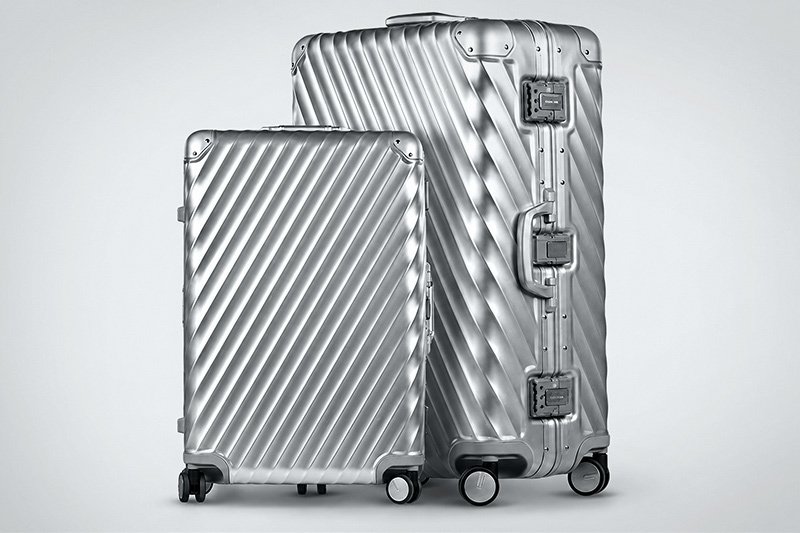
China remains the world’s largest luggage producer, supplying brands, retailers, wholesalers, and distributors across the globe. Its advanced production capabilities and competitive pricing attract businesses of every size. Not every factory delivers the same quality or service, though, and price alone reveals very little. Whether you are sourcing affordable polycarbonate suitcases or premium metal cases from an aluminum luggage manufacturer, finding a dependable partner means looking closely at production ability, quality systems, communication, and long-term reliability.
Define Your Product Requirements
Before contacting suppliers, get clear on exactly what you want to source. Specify materials, sizes, wheel types, handle styles, locking systems, colors, packaging, and branding needs. A detailed product brief allows manufacturers to provide accurate quotes and realistic timelines. It also reduces the misunderstandings that often cause delays and costly revisions. When every supplier responds to the same specifications, comparing them becomes simpler and far more meaningful.
Assess Experience and Customization Ability
A factory’s track record says a lot about how well it will handle your project. Manufacturers that have supplied international brands usually understand commercial quality standards and export requirements, and they can suggest practical improvements to your design. Customization matters too. Reliable partners offer private label production, custom logos, shell finishes, interior linings, hardware choices, and packaging options. As your product line grows, flexible customization becomes increasingly important for staying competitive.
Check Production Capacity
A supplier needs enough capacity to meet your current order and support future growth. Ask about monthly output, production lines, staffing, and typical lead times. A scalable operation can increase volume without letting quality slip, which is vital for brands expecting seasonal peaks or rapid expansion. Understanding production schedules in advance also helps you plan inventory more effectively and avoid stock shortages during your busiest sales periods.
Always Evaluate Samples First
Never commit to a bulk order without inspecting samples. Examine the shell strength, stitching, surface finish, wheels, telescopic handles, zippers, locks, and overall construction carefully. A sample reveals details that photos and specifications can easily hide. Taking time at this stage lowers purchasing risk and gives you the chance to request improvements before mass production begins. Changes at the sample stage are far quicker and cheaper than corrections after thousands of units are made.

Verify Quality Systems and Testing
An impressive sample means little if the factory cannot repeat it across a full order. Ask how quality is controlled at every stage, from raw material checks and in-line production monitoring to final inspection before shipment. Reliable manufacturers can also explain their testing methods. These typically include wheel rolling tests, handle extension cycles, drop resistance, zipper durability, and load-bearing checks. Relevant certifications and compliance documents can further simplify customs clearance and customer approval in your target markets.
Look for Clear Communication and Stable Supply Chains
Smooth projects depend on responsive, transparent communication. A good manufacturer answers questions promptly, explains technical details clearly, and provides regular production updates, all of which reduce costly misunderstandings. Supply chain strength matters as well. Factories with stable relationships with component and material suppliers are better able to avoid shortages and delays, especially during peak demand seasons when many brands are competing for the same resources.
Compare Total Value and Visit When Possible
The lowest quote is rarely the best long-term choice. Very cheap offers may hide inferior materials, inconsistent quality, or weak after-sales support, all of which cost more in the end. Weigh quality, experience, production stability, communication, and service alongside price. Whenever possible, visit the factory to see production lines, equipment, quality checks, and warehouse organization firsthand. If travel is not practical, virtual tours or third-party inspections offer valuable insight.
Choosing a Partner Built for Growth
The best sourcing decisions lead to long-term partnerships that support product development, larger orders, and new collections over time. Look for flexible capacity, genuine design expertise, dependable export experience, and responsive after-sales support. Damao-shine meets these needs through in-house R&D, lean automated manufacturing, and multi-stage quality control, along with OEM, ODM, and JDM services. With a range spanning polycarbonate, aluminum, aluminum frame, carbon fiber, and fabric luggage, it gives brands a reliable foundation for sustainable growth.