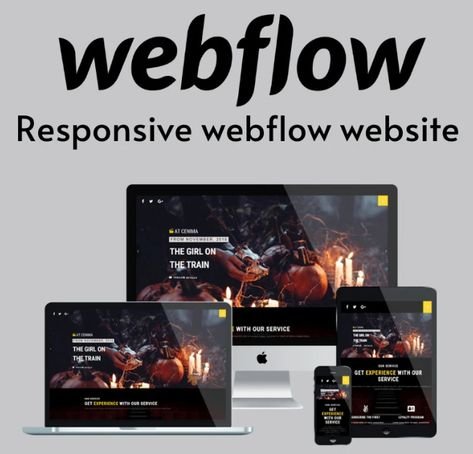
Webflow design agency creating modern and responsive websites
Enterprise websites have a demanding job. They need to communicate a brand’s value, support multiple audiences, manage large amounts of content, and provide a consistent experience across devices. At the same time, internal teams need a website that is manageable, secure, and flexible enough to accommodate future changes.
Choosing the right Webflow design agency can make this process considerably easier. An experienced partner should understand more than visual design. It should be able to connect business requirements with website architecture, content management, accessibility, performance, and search engine optimization.
Whether your company is redesigning an established corporate website or building a new digital presence, selecting an agency requires careful evaluation. Here are the factors worth considering before making a decision.
1. Look for Enterprise-Level Planning Experience
An enterprise project will typically have a larger scope of different stakeholders and technical specifications than a small business website. Expect more involvement and expectations from marketing teams, designers, developers, legal and business stakeholders.
A suitable agency should begin by understanding these requirements rather than jumping directly into design.
Evaluate Its Discovery Process
Ask how the agency gathers information about your business, customers, competitors, and existing digital infrastructure. It should be able to explain how research informs the sitemap, content structure, design system, and development roadmap.
For instance, the parent company may have multiple divisions with unique messaging for each, but still require coordinated branding. International corporations may need to create content tailored to each country, with publishing accountability and currency considerations.
The agency should document key decisions, identify dependencies, and explain how project changes will be managed.
This planning stage helps prevent expensive misunderstandings later. It also gives stakeholders a shared understanding of what the website must accomplish.
2. Evaluate Design Quality and User Experience
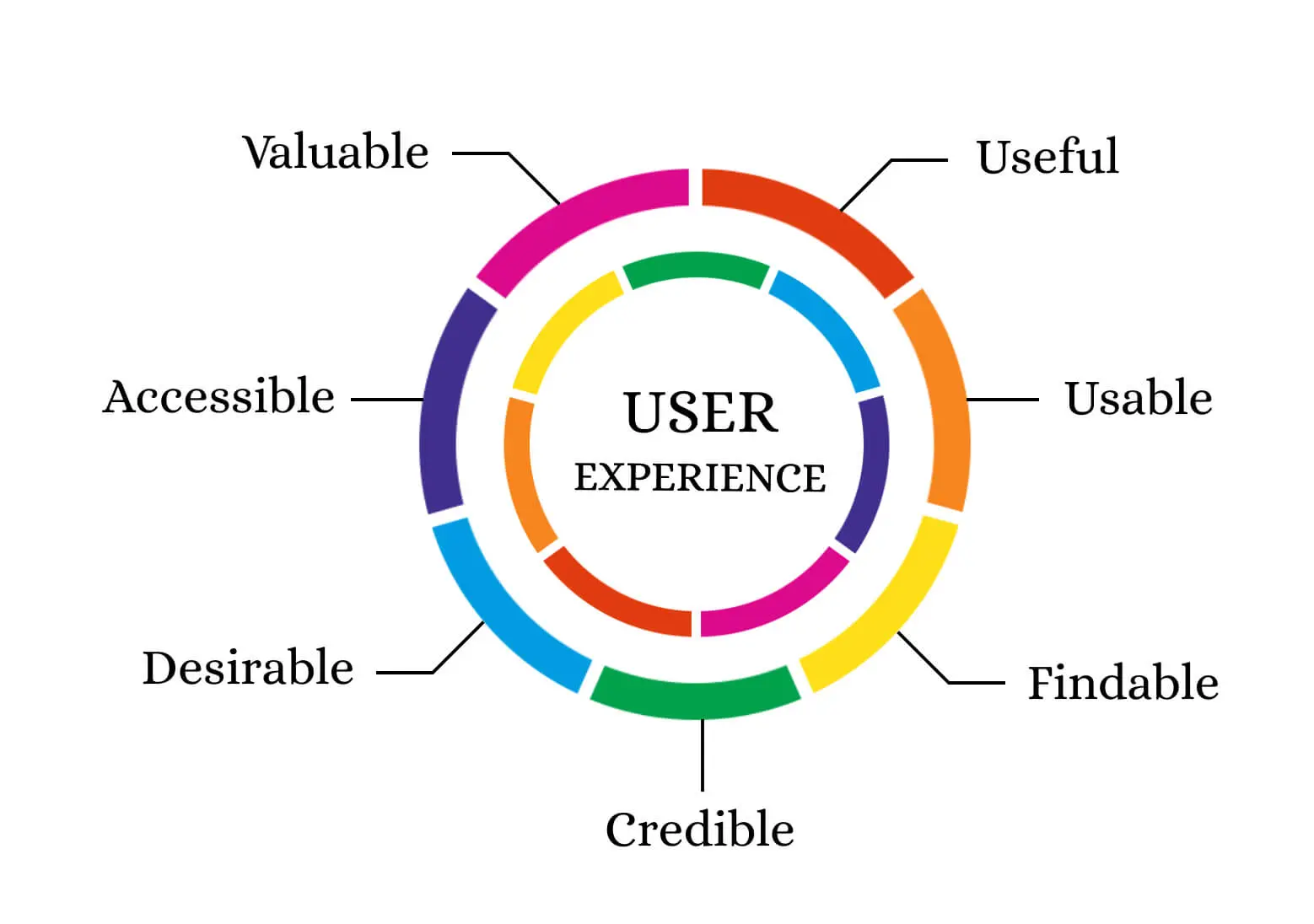
A business website should look professional but look alone is not sufficient. People should be able to search the content easily and quickly know what the organization is all about.
Examine the agency portfolio closely. You should be able to see how they handle navigation, page hierarchy, mobile screen designs, type choices, content readability, and calls to action.
Select an Appropriate Style According to Your Audience
A financial services organisation may require a more conservative visual style, one that reflects honesty and professionalism. A creative enterprise might require more visually dynamic, expressive layouts and imagery.
Look at a media agency website for example: it could have to display campaigns, describe creative offerings, introduce team members and display case studies. The design has to make such dissimilar items easy to dig around for without creating a confusing website.
Ask the agency to explain the reasoning behind its design decisions. A strong partner should be able to connect visual choices with audience needs and business goals.
It should also consider accessibility from the beginning, including readable contrast, keyboard navigation, meaningful headings, and clear interaction states.
3. Understand Webflow’s CMS and Content Architecture
Enterprise websites often contain hundreds of pages, multiple content categories, and frequently updated resources. A well-planned content management system helps teams maintain consistency without depending on developers for every small change.
Webflow’s CMS supports structured content collections that can be used for items such as articles, team profiles, case studies, and service pages.
However, the CMS must be designed around the organization’s actual publishing needs.
Ask About Reusable Components
Reusable sections, templates, and design elements may help in achieving a consistent look and feel across a large site. They can also eliminate a lot of duplicated effort in recreating similar layouts.
Explain who will own the content after launch and how you will train editors. The agency should put together clearly defined publishing rules, naming conventions, and permissions.
Knowing the limits of the platform, like integrations that are highly complex, a specialized application that may be outside of the platform or requirements that a platform cannot natively accommodate.
A prudent employer will discuss these factors before giving an assurance of resolution.
4. Integrate SEO Into the Project
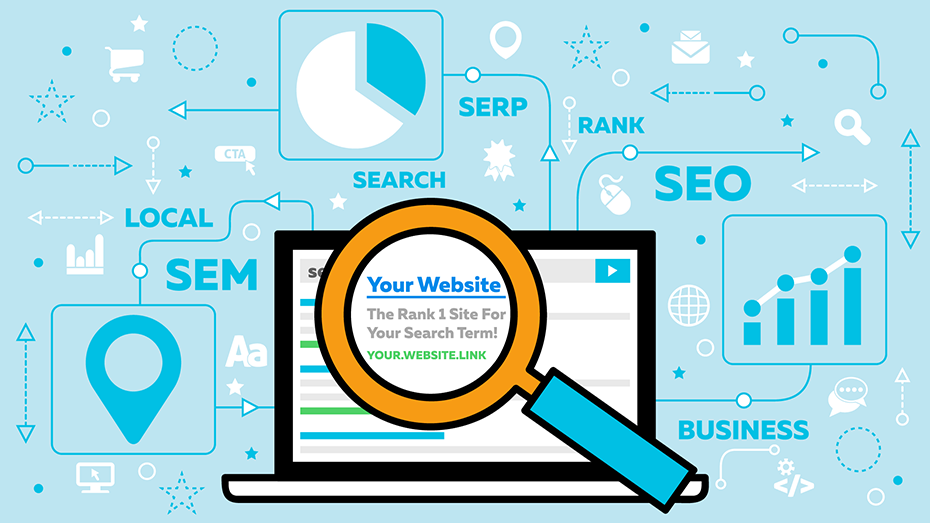
Enterprise web design planning needs to integrate SEO from the outset, instead of leaving it till the last minute.
A capable agency should understand technical SEO fundamentals, including crawlability, indexation, redirects, canonical URLs, internal linking, metadata, and XML sitemap management.
Content structure also matters. Pages should have descriptive titles, useful headings, and information that matches the intent of the people searching for it.
Protect Existing Search Visibility During a Redesign
If the company already has an established website, the agency should review its current URLs, organic traffic, and valuable landing pages before making structural changes.
When URLs change, appropriate redirects should be planned and tested. Important pages should not disappear without considering their search value, backlinks, and role in the customer journey.
A Webflow design agency should also collaborate with your SEO team or specialist when the project requires deeper search optimization.
After launch, monitoring Google Search Console, indexing status, organic landing pages, and technical errors can help identify problems early.
5. Review Performance, Accessibility, and Technical Quality
Business visitors rely on your website to perform consistently throughout their experiences. Unresponsive sites, sluggish pages and awkward user flows can impact a customer’s perception of your website and your business.
Q: Find out how the agency measures page speed and whether they consider Core Web Vitals loading performance, responsiveness, and visual stability.
Image optimization, extraneous scripts, responsive layout or third-party integrations should be tested by the team.
Accessibility should be equally on the checklist. Users with various disabilities should be able to access the website using assistive technology or a keyboard.
One performance rating does not necessarily make you successful – and your test results can vary from one device to another and across networks. The key is having a consistent method to optimize problems.
6. Examine Security, Governance, and Integrations
Enterprise projects often involve CRM platforms, analytics tools, marketing automation, consent management, and other business systems.
The agency should understand how these tools will exchange information, who will maintain the integrations, and what happens if a connection fails.
Discuss access controls, account ownership, data handling, backup arrangements where applicable, and the organization’s security requirements. Confirm that responsibilities are clearly documented.
Also ask about publishing approvals and governance. Large teams benefit from defined roles and processes that prevent accidental changes to important pages.
Webflow’s capabilities and plan-specific features should be checked against the project’s requirements rather than assumed to cover every enterprise need.
7. Compare Agencies Beyond Their Portfolios
A strong portfolio is useful, but it cannot tell you everything about how an agency works.
Ask for relevant project examples, client references where available, realistic timelines, and details about post-launch support. Find out who will manage the project, how progress will be reported, and how additional requests will affect the budget.
You should also clarify ownership of the website, domain, content, design assets, and third-party accounts.
A lower initial price may be attractive, but unclear deliverables or limited support can create additional costs later. Conversely, a more expensive agency is not automatically the better choice.
The right partner offers a clear process, realistic commitments, and an approach that fits your organization’s needs.
Conclusion

For an enterprise website, finding a Webflow design agency involves a careful balance of: Designing, Webflow technical fluency, Planning the content, seo, accessibility, and support for the future.
Begin with your requirements, as well as relevant experience, and the agency’s process for tackling challenging projects. Then look to how it compares in systems architecture, speed and performance, integrations, governance and continuous improvement.
The best partner doesn’t just build you a good website. It will provide a digital home that enables your teams, engages your audiences and evolves as your organisation does.