Property owners frequently look for creative ways to expand their usable living space, often choosing to enclose an existing rear patio or construct a three-season sunroom on the back of their house. While professionally engineered additions seamlessly integrate with the existing architecture, many homeowners attempt these builds as weekend DIY projects to save money on construction costs. Bypassing professional contractors and municipal permitting processes almost always results in severe architectural flaws. These uncertified extensions frequently lack proper concrete footings, adequate moisture barriers, and precise masonry flashing. These specific construction errors do more than just lower the property value; they create massive, entirely unprotected physical pathways for highly destructive wood-boring insects to enter the main home.
The most severe biological vulnerability occurs when DIY builders allow untreated timber to come into direct contact with the exterior soil. Professional architecture mandates a strict physical clearance zone between the bare earth and the wooden framing of a structure, usually achieved by pouring deep concrete walls. Amateur builders frequently skip this step, resting wooden support posts or floor joists directly on the dirt or burying them in shallow trenches. This wood-to-ground contact acts as a direct, highly attractive biological highway for subterranean termites. Termites naturally live in the soil and constantly seek out cellulose to consume. Providing them with a direct wooden bridge allows the colony to completely bypass standard exterior defences and immediately begin hollowing out the new construction from the inside out.
Moisture management is another highly technical aspect of construction that amateur builds frequently fail to address. When a new sunroom roof is attached to the existing exterior siding of the main house, it requires complex metal flashing to prevent rainwater from seeping between the two structures. DIY additions often rely on heavy applications of cheap silicone caulk instead of proper metal flashing. Over a single winter, this caulk heavily degrades, allowing water to continuously soak the structural timber connecting the sunroom to the house. Carpenter ants actively seek out this specific type of moisture-softened wood to excavate their massive, highly organized nesting galleries. Because the structural damage occurs entirely behind the drywall, the homeowner remains completely unaware of the failure until the roof begins to sag.
Addressing the biological fallout of an improperly constructed addition requires highly specialized diagnostic skills. A standard pest spray will do absolutely nothing to stop an infestation that is deeply embedded inside the architectural framing. Relying on an experienced Exterminator Mendham NJ ensures that the exact structural vulnerabilities are identified using advanced detection methods. Technicians can deploy specialized moisture meters and acoustic sensors to locate the active termite or carpenter ant colonies hidden within the newly built walls. Once the exact location is identified, professionals apply targeted, non-repellent transfer treatments that eliminate the entire biological network without requiring the immediate destruction of the new walls.
Securing a DIY addition permanently requires correcting the underlying architectural mistakes. Following a successful professional pest eradication, the homeowner must physically lift any soil-touching timber and install proper concrete footings to break the biological bridge. All exterior joints where the new extension meets the original house must be professionally flashed and sealed to prevent ongoing moisture intrusion. Furthermore, maintaining a strict eighteen-inch clearance zone between the new exterior walls and any decorative landscaping ensures that the foundation remains dry and fully visible for future biological inspections.
Expanding your home should increase your family’s comfort, not introduce a catastrophic biological threat to the main residential structure. Recognizing that insects actively exploit poor construction techniques allows homeowners to take immediate, corrective action. By partnering with structural pest specialists to completely eradicate the hidden colonies and subsequently fixing the architectural flaws, property owners can safely enjoy their new living spaces without fear of a sudden structural collapse.
Conclusion
Amateur home extensions and DIY sunrooms frequently feature direct wood-to-ground contact and poor moisture flashing, creating massive vulnerabilities for the main residential structure. Subterranean termites and carpenter ants immediately exploit these construction errors, silently destroying the structural timber from the inside out. Eradicating these deeply hidden colonies requires highly targeted professional treatments followed by immediate architectural corrections to break the biological pathways.
Call to Action
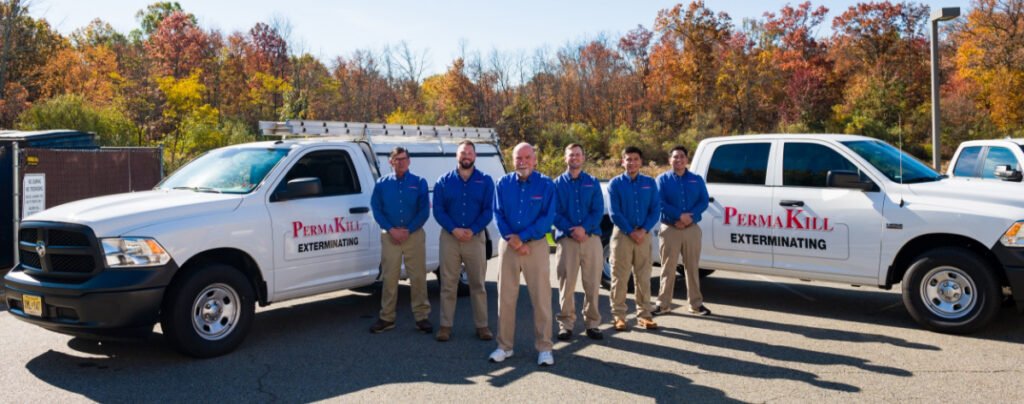
Stop destructive insects from exploiting your home’s structural additions by securing a highly detailed architectural assessment with PermaKill Exterminating. Contact our local specialists today to locate hidden termite and carpenter ant colonies and establish an impenetrable defensive perimeter.