Books About Childhood Trauma Stories That Encourage Healing
Childhood is often described as a time of growth, learning, and discovery, but not every childhood is filled with safety and stability. Difficult experiences during the early years can leave emotional marks that continue into adulthood. For people trying to understand these experiences, reading can provide a meaningful way to reflect, learn, and feel less alone.
Books about childhood trauma can offer insight into how difficult early experiences may influence emotions, relationships, self-esteem, and personal development. Whether someone is looking for a personal story, psychological perspective, or a source of encouragement, the right book can open the door to important conversations about trauma and healing.
Understanding Childhood Trauma Through Reading
Childhood trauma can take many forms. Experiences such as neglect, abuse, loss, family instability, or prolonged exposure to fear can affect a child’s sense of security and understanding of the world.
Reading about these subjects can help people put words to experiences that may have been difficult to understand. A thoughtful book can also show readers that complicated emotions are not necessarily signs of weakness. They can be responses to experiences that were difficult to process at the time.
This does not mean every reader will respond to a particular story in the same way. Trauma is personal, and everyone’s path toward understanding and healing is different.
Why Personal Stories Can Be Powerful
Personal stories have a unique ability to create emotional connections. When readers encounter characters or experiences that reflect aspects of their own lives, they may feel a sense of recognition that is difficult to find elsewhere.
Books about difficult childhood experiences can provide this type of connection while encouraging readers to consider how the past can shape the present. Stories can also create opportunities to think about resilience, identity, family relationships, and the possibility of moving forward.
For some readers, seeing a difficult experience represented through literature can be an important first step toward acknowledging feelings they have kept hidden.
Finding Books for Healing Trauma
People searching for books for healing trauma often want more than information. They may be looking for hope, understanding, validation, or a sense of direction.
Healing is not something that happens in exactly the same way for everyone. Reading should not be considered a substitute for professional mental health support when that support is needed. However, books can complement a person’s journey by providing language, perspectives, and stories that encourage reflection.
A meaningful book can help readers recognize patterns, consider healthier perspectives, and think about the relationship between past experiences and present emotions.
The Role of Psychology in Understanding Trauma
Psychology can provide another valuable perspective on childhood trauma. Best books on trauma psychology often examine how traumatic experiences can influence the brain, emotions, behavior, relationships, and coping strategies.
Psychological writing can help readers understand that responses to difficult experiences may have deeper roots. Learning about concepts such as emotional regulation, attachment, memory, and coping can make complex reactions easier to understand.
At the same time, readers should remember that general psychological information cannot diagnose an individual. Personal circumstances are unique, and professional guidance may be appropriate when trauma continues to affect everyday life.
Literature Can Start Important Conversations
Books can make difficult subjects easier to discuss. Childhood trauma is often surrounded by silence, shame, or misunderstanding, which can make it difficult for people to communicate what they have experienced.
A story can provide a starting point for those conversations. It can encourage readers to think about subjects they may not have previously considered and create opportunities for greater empathy.
For families, educators, caregivers, and readers interested in psychology, thoughtful literature can also encourage a deeper understanding of how childhood experiences can influence development.
“Misery’s Children” and the Impact of Difficult Childhoods
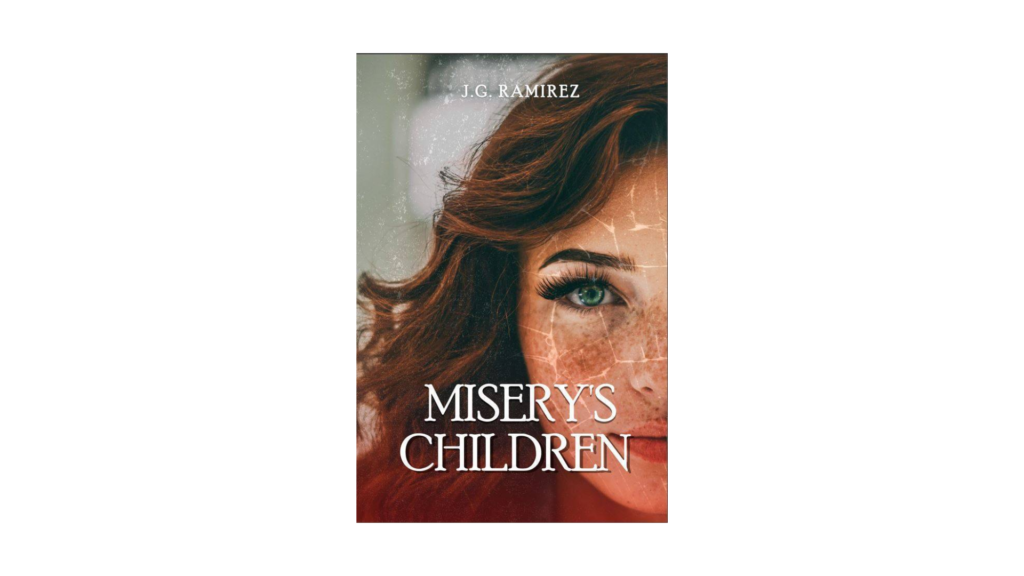
Misery’s Children offers a literary perspective on the experiences and challenges that can emerge from difficult childhood circumstances. Through storytelling, readers can engage with themes surrounding hardship, emotional impact, and the lasting influence of early experiences.
For someone searching for books about childhood trauma, a story-centered approach can provide an opportunity to connect emotionally with the subject while reflecting on broader questions about resilience and personal growth.
Stories do not need to provide simple answers to be meaningful. Sometimes, their greatest value comes from encouraging readers to sit with difficult questions and consider experiences from another perspective.
Reading at Your Own Pace
Books dealing with trauma can contain emotionally difficult material. Readers should give themselves permission to take breaks or step away when a subject becomes overwhelming.
There is no requirement to finish a difficult book quickly. Reading a few pages, reflecting on the ideas, and returning when ready can make the experience more manageable.
It can also be helpful to balance challenging material with books that provide hope, perspective, or positive stories. A healthy reading experience should support reflection without creating unnecessary emotional distress.
The Connection Between Understanding and Growth
Understanding the past does not mean remaining trapped in it. For many people, learning about difficult experiences can become part of developing greater self-awareness.
Books can encourage readers to recognize their strengths, question harmful assumptions, and consider new possibilities. A story about childhood hardship may ultimately become a story about resilience, identity, and the ability to move forward.
That is one reason literature remains valuable when discussing difficult subjects. It can acknowledge pain while still leaving room for hope.
Conclusion
Books about childhood trauma can provide more than information. They can offer stories, perspectives, and opportunities for reflection that help readers better understand the impact of difficult early experiences. Whether you are searching for books for healing trauma or best books on trauma psychology, thoughtful reading can be a valuable part of learning about resilience and emotional well-being.
Misery’s Children offers readers an opportunity to engage with the emotional realities surrounding challenging childhood experiences through storytelling. For anyone seeking greater understanding, empathy, or perspective, the right book can be a powerful companion on a deeply personal journey.