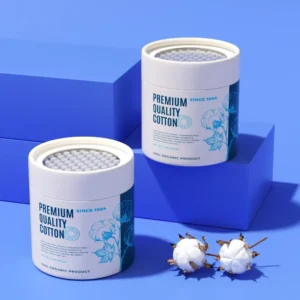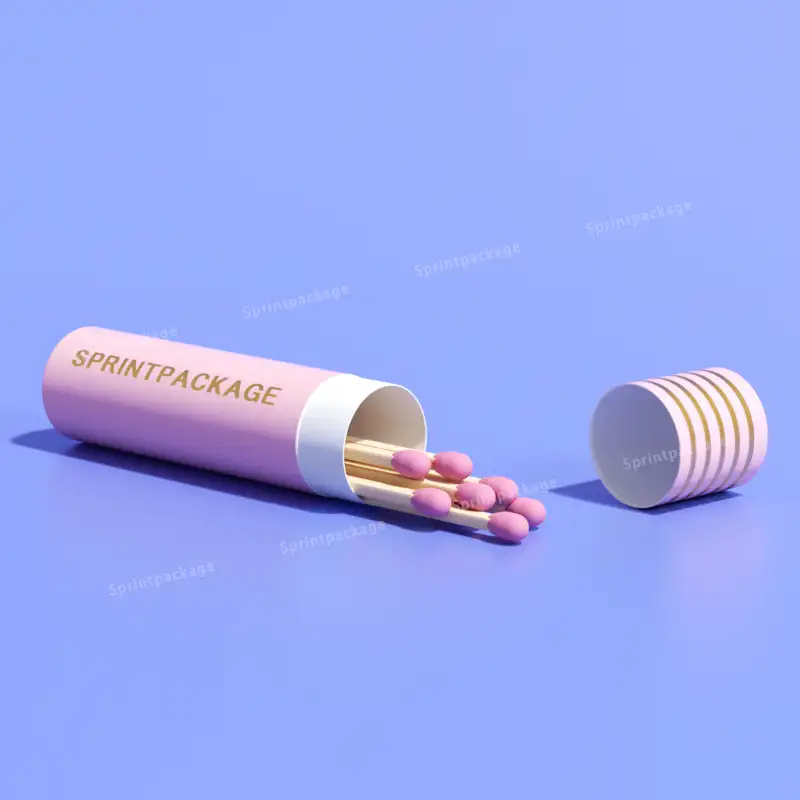
Recycled paper has become a cornerstone of sustainable packaging, but the term can hide a lot of variation. Some tubes contain a small percentage of recycled fibre, while others are made almost entirely from recovered paper. The difference affects strength, appearance, cost, and environmental impact. For brands that want to make honest claims, understanding how recycled materials are used in tube manufacturing is essential. Sprintpackage highlights recycled cardboard and kraft paper tubes in its range, along with biodegradable and recyclable options. This article explains the role of recycled content in cylinder packaging, its benefits and limits, and how buyers should evaluate it.
What Recycled Content Really Means
Recycled content refers to the portion of the paper made from recovered fibre rather than virgin pulp. It can come from post-consumer sources, such as used cardboard and paper, or from pre-consumer sources, such as offcuts from manufacturing. Each carries a different meaning for environmental claims. When a supplier says a tube is recycled, ask for the percentage and the source. A specific figure is more useful than a general statement. Knowing the real content allows a brand to make accurate claims and avoid accusations of greenwashing, which can damage trust more than saying nothing at all.
Benefits of Using Recycled Fibre
Recycled paper reduces demand for virgin wood, keeps used material in circulation, and often requires less energy than producing new pulp. Kraft and recycled tubes also have a natural, earthy look that many customers associate with responsible brands. For companies selling natural cosmetics, artisan foods, candles, and gifts, this appearance reinforces the story. Recycled tubes can also be fully recyclable again, which supports a circular approach where materials are used repeatedly. These benefits are real, but they depend on proper sorting and recycling infrastructure, so brands should communicate disposal instructions clearly.
Limits and Trade-Offs
Recycled fibres are shorter than virgin ones, which can affect strength, surface smoothness, and print sharpness. Colors on recycled kraft look warmer and less bright than on white paperboard, so artwork should be designed with that in mind. For heavy products or long shipping routes, wall thickness may need to increase. For food packaging, recycled content raises questions about contamination, so food-safe linings or virgin inner layers are often used. Ask the supplier which structures are suitable for your product, and test samples under real conditions before committing to a large order.
Coatings, Linings, and Recyclability
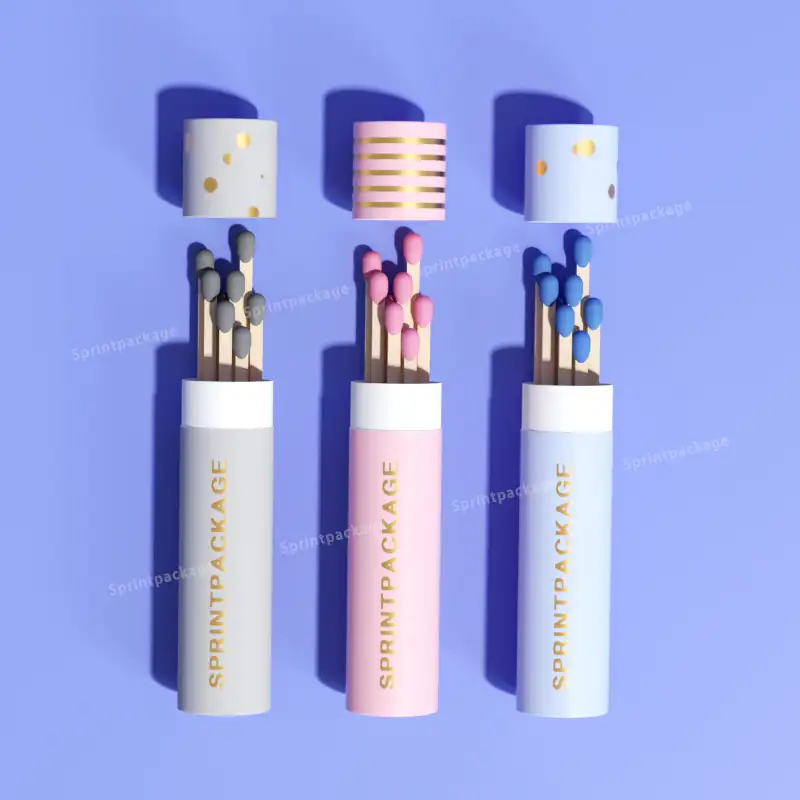
A tube made from recycled paper is not automatically recyclable if it is covered with plastic film or non-paper layers. Moisture barriers, glossy laminations, and metallic effects can complicate recycling. The company mentions biodegradable and recyclable materials, so buyers should ask exactly what coatings and linings are used, and whether the finished tube can enter normal paper recycling. Simple finishes, water-based inks, and minimal coatings keep the recycling path clear. When protection is essential, discuss alternatives that balance performance and recyclability, and be honest in your labelling about any limitations. Keep these points in mind whenever you compare cylinder packaging options for your own products.
Communicating Recycled Content to Customers
Customers appreciate clear, believable information. Instead of broad claims, print specific statements about what the tube is made of and how to dispose of it. Where possible, support statements with documents from your supplier, and keep them on file. Consider including a short note on the package that explains your choice of materials and invites customers to recycle. Brands that approach recycled packaging with honesty and detail tend to earn lasting loyalty. Recycled materials play an important part in sustainable tubes, but their real value appears when they are chosen carefully, tested properly, and described truthfully. Used honestly, recycled content becomes more than a technical detail; it becomes part of a believable story that customers can verify, repeat to friends, and appreciate each time they hold the tube, which is exactly the kind of quiet trust that lasting brands are built on.