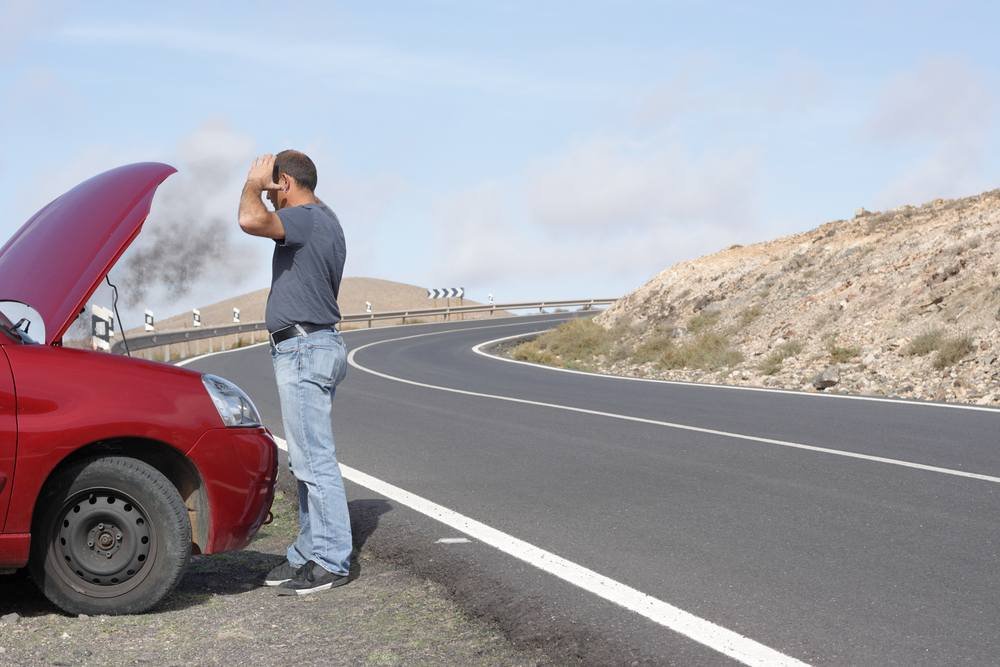
A car breakdown in Dubai can happen because of a flat tyre, dead battery, overheating, low fuel, or a mechanical fault. The safest response is to move away from traffic, warn other road users, assess the situation without taking unnecessary risks, and contact the appropriate assistance service. This guide explains what drivers should do step by step, when to call the authorities, and how to arrange recovery or alternative transport.
What Should You Do First When Your Car Breaks Down in Dubai?
When your car stops unexpectedly, prioritize your safety before trying to diagnose the problem.
- Stay calm and reduce speed gradually.
- Move the vehicle as far away from moving traffic as possible.
- Switch on the hazard warning lights.
- Apply the parking brake once the vehicle is safely positioned.
- Turn off the engine if continuing to run it could cause overheating or another hazard.
- Move yourself and passengers to a safe location away from traffic when possible.
- Call roadside assistance or recovery services.
Avoid standing behind or directly beside the disabled vehicle on a busy road. Fast-moving traffic can create a greater danger than the mechanical problem itself.
What If Your Car Stops on a Dubai Highway?
A breakdown on a highway requires extra caution because vehicles may approach at high speed.
If possible, steer toward the hard shoulder or another designated safe area without making sudden lane changes. Keep the hazard lights operating and remain in a safe position while waiting for assistance.
Do not attempt to push a vehicle across multiple lanes. If the car cannot move safely, contact the relevant assistance service and explain your exact location.
Give the operator useful details such as:
- Road or highway name
- Direction of travel
- Nearest exit
- Nearby landmark
- Vehicle registration number
- Vehicle make and model
- Type of breakdown
- Number of passengers
Sharing your location through your phone can also help the recovery team find you faster.
When Should You Call 999 in Dubai?
Call 999 for police assistance when the breakdown creates a traffic hazard, involves a collision, or presents an immediate safety concern. The UAE Government lists 999 as the police emergency number and 998 for ambulance services.
Call 998 if someone has suffered an injury or requires emergency medical assistance.
For a normal mechanical breakdown without an emergency, use your roadside assistance, insurance provider, vehicle manufacturer, rental company, or recovery service rather than treating it as a medical or police emergency.
Dubai Emergency Numbers
| Situation | Number |
| Police emergency | 999 |
| Ambulance | 998 |
| Civil Defence / fire | 997 |
| RTA contact centre | 800 9090 |
Should You Try to Repair the Car Yourself?
Only perform a basic check if you can do it without exposing yourself to traffic, heat, or other hazards.
You can check:
- Whether the fuel level is empty
- Whether a warning light has appeared
- Whether a tyre looks visibly flat
- Whether the battery appears completely dead
- Whether the engine has overheated
- Whether smoke, leaking fluid, or an unusual smell is present
Avoid opening a hot radiator or coolant system. Hot coolant can cause serious burns.
You should also avoid working on the vehicle while it remains dangerously close to moving traffic.
What Are the Most Common Causes of Car Breakdowns in Dubai?
Dubai’s hot climate can place additional demands on vehicles, particularly during periods of high temperature. However, breakdowns can result from many different causes.
| Breakdown problem | Common signs | Appropriate response |
| Flat tyre | Loss of pressure, vibration or unstable handling | Stop safely and arrange tyre assistance |
| Dead battery | Engine fails to start, clicking sound | Request battery assistance or recovery |
| Overheating | Temperature warning, steam or high temperature gauge | Stop driving and allow professional assistance |
| Empty fuel tank | Engine loses power and stops | Arrange fuel delivery or recovery |
| Engine fault | Warning lights, unusual noises or loss of power | Stop safely and request mechanical assistance |
| Electrical fault | Multiple warning lights or electrical systems failing | Arrange roadside assistance |
| Accident damage | Vehicle cannot move safely | Contact police and recovery assistance as appropriate |
A warning light does not always mean the car will immediately stop, but ignoring serious warnings can turn a manageable problem into a larger mechanical failure.
What Should You Do If the Car Overheats?
If the temperature gauge rises significantly or you see steam:
- Pull over safely.
- Switch on the hazard lights.
- Turn off the engine.
- Keep away from hot engine components.
- Do not open the radiator cap while the system is hot.
- Contact roadside assistance or vehicle recovery.
- Wait for professional advice before attempting to continue.
Do not keep driving simply because the vehicle still moves. Continuing to operate an overheating engine can cause severe mechanical damage.
What If You Get a Flat Tyre?
A flat tyre does not always require a tow truck, but changing it beside heavy traffic can be dangerous.
If the vehicle has a spare tyre and the location is genuinely safe, you may follow the manufacturer’s instructions. Otherwise, request roadside tyre assistance.
Before changing a tyre, consider:
- Traffic speed around the vehicle
- Road width and shoulder space
- Lighting and visibility
- Your own mechanical experience
- Whether the vehicle has a usable spare
- Whether the tyre or wheel has suffered additional damage
If those conditions are unsafe, wait for professional assistance instead of attempting the repair yourself.
What If You Run Out of Fuel?
If the engine stops because the fuel tank is empty, move the vehicle to a safe position if possible and activate the hazard lights.
You can then contact a roadside assistance provider, recovery company, insurer, or other applicable service that offers fuel delivery.
Do not walk along a busy highway looking for a petrol station. Arrange assistance instead.
What If You Are Driving a Rental Car?
A rental car adds another step because the vehicle belongs to the rental company.
Check the rental agreement or emergency contact information and notify the rental company as soon as possible. The company may have a specific procedure for breakdowns, towing, accidents, repairs, or replacement vehicles.
Do not authorize expensive repairs without confirming who is responsible for the cost.
If you regularly need a vehicle for several days while your own car is being repaired, short-term car rental can provide temporary transportation without requiring you to continue driving a mechanically unreliable vehicle.
For longer repair periods, monthly car rental can also be practical when you need continuous transportation rather than arranging individual taxi journeys.
What Information Should You Give Roadside Assistance?
A recovery operator needs enough information to identify both the vehicle and its location.
Prepare:
- Exact location or live location
- Road name
- Direction of travel
- Nearest exit or landmark
- Vehicle registration number
- Make and model
- Breakdown symptoms
- Whether the vehicle can move
- Number of passengers
- Your contact number
Tell the operator if the vehicle is blocking a lane or creating an immediate traffic risk.
This information helps the provider determine whether you need a mechanic, battery service, tyre assistance, fuel delivery, or vehicle recovery.
What Should You Do After a Breakdown?
Once assistance arrives, explain exactly what happened rather than guessing the mechanical cause.
If the vehicle requires towing, ask where it will be taken and confirm what happens next with the owner, insurer, or rental company.
If another vehicle was involved, preserve relevant information and follow the applicable accident-reporting process. Do not leave the scene simply because the vehicles appear to have minor damage if the circumstances require official reporting.
For vehicle-related information and RTA services, use the official RTA contact centre when appropriate.
How Can You Reduce the Risk of a Breakdown in Dubai?
Regular preventive maintenance can reduce the chance of unexpected problems.
Before longer drives, check:
- Engine oil level
- Coolant level when the engine is cold
- Tyre pressure
- Tyre condition
- Battery condition
- Fuel level
- Warning lights
- Air-conditioning performance
- Brake condition
- Windscreen washer fluid
Follow the manufacturer’s maintenance schedule rather than waiting for a major fault.
It also helps to keep a few essentials in the vehicle:
- Phone and charging cable
- Drinking water
- Reflective safety equipment where appropriate
- Basic first-aid supplies
- Vehicle documents
- Insurance and roadside-assistance details
What If Your Car Cannot Be Driven for Several Days?
A breakdown does not necessarily mean you need to stop your plans completely.
If your vehicle is undergoing repairs, arrange alternative transportation according to how long you need it. Weekly car rental can suit a repair period lasting several days, while a long-term car rental arrangement may make more sense when the repair timeline is uncertain or extended.
If you need a specific vehicle category, choose according to your practical requirements, such as an economy rental car for basic transportation or an SUV rental when you need additional passenger or luggage space.
Great Dubai’s car rental service can also be considered when arranging replacement transportation during a vehicle repair period, particularly when you need a rental vehicle for more than a single day. The important point is to choose a vehicle and rental duration that match the actual length and purpose of the replacement period rather than extending a rental unnecessarily.
What Should You Keep in Your Car for Emergencies?
A small emergency kit can make an unexpected stop easier to manage.
Useful items include:
- Phone charger or power bank
- Water
- First-aid kit
- Tyre-pressure gauge
- Vehicle documentation
- Insurance information
- Roadside-assistance contact details
- Torch
- Reflective safety equipment
You do not need a large collection of tools if you are not trained to perform roadside repairs. In many situations, contacting professional assistance is safer than attempting a complicated repair yourself.
Car Breakdown in Dubai: Quick Action Checklist
If your car breaks down, remember this sequence:
Move → Warn → Leave danger → Assess → Call → Wait safely
- Move away from traffic if you can do so safely.
- Turn on the hazard warning lights.
- Keep passengers away from moving traffic.
- Check the situation without touching dangerous components.
- Contact roadside assistance or the appropriate authority.
- Share your exact location and vehicle details.
- Wait in a safe place until help arrives.
Final Takeaway
A car breakdown in Dubai becomes much easier to manage when you treat road safety as the first priority. Move the vehicle away from traffic when possible, use hazard lights, avoid unsafe roadside repairs, and contact the correct assistance service. Regular maintenance, emergency contacts, and a simple plan for alternative transportation can also prevent a breakdown from disrupting an entire day or trip.