The Success of Pop Mart and Labubu How a Collectible Character Became a Global Phenomenon
The success of Pop Mart and Labubu is an interesting example of how character design, collectible culture, retail strategy, and online communities can come together to create extraordinary cultural visibility. Labubu was created by Hong Kong artist Kasing Lung as part of The Monsters, a fantasy character universe built around imaginative creatures with distinctive personalities. Pop Mart later became closely associated with the character through licensing and commercial development, helping introduce Labubu to a much wider audience through collectible figures and other products. What makes the story particularly interesting is that Labubu was not simply presented as another conventional toy character. Its unusual appearance, mischievous expression, pointed ears, and recognizable smile gave it a strong visual identity. Pop Mart’s approach then provided a commercial and collecting environment where that identity could reach people far beyond the original art-toy community.
Understanding the Pop Mart Business Model
Pop Mart developed a strong presence in the designer-toy market by combining character IP with collectible formats and an extensive retail network Labubu. One of the most recognizable elements of its strategy is the blind-box model. Instead of knowing exactly which figure is inside a package, customers discover the design after opening it. This introduces surprise into the purchasing experience and can encourage collectors to explore an entire series rather than selecting one figure and stopping there. For Labubu, this format worked particularly well because the character could appear in numerous themes, costumes, colors, and editions. Each release could maintain the familiar personality of Labubu while introducing enough visual variation to make another figure interesting. The result was a collecting experience that combined anticipation with the appeal of character ownership.
Why Labubu Was Different
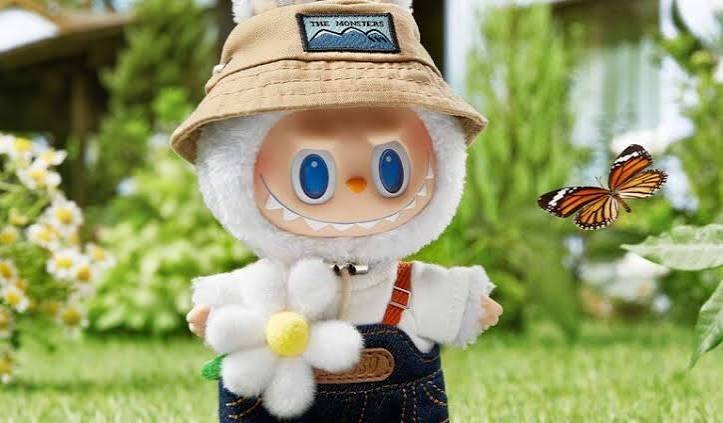
A major part of Labubu’s success comes from its distinctive visual identity. The character does not follow the most traditional definition of a cute collectible. Labubu has large expressive eyes, pointed ears, a wide mischievous smile, and visible teeth. These features create an unusual combination of innocence and playful wildness. That contrast makes the character immediately recognizable and gives it a personality that can be interpreted in different ways. Instead of looking perfectly polished, Labubu has an eccentric quality that makes it memorable. In a crowded character market, visual recognition is extremely important. A character that can be identified quickly from a photograph, video, shelf display, or social-media post has a natural advantage in a highly visual culture.
The Power of Blind-Box Collecting
Blind boxes transformed the act of buying a collectible into an experience. The customer does not simply purchase a known object; there is an element of uncertainty before the package is opened. This can create anticipation, surprise, and excitement. For Labubu collectors, the possibility of discovering a less common design adds another layer to the experience. Different series can encourage people to search for specific characters, compare their collections, or trade duplicates with other fans. The process can therefore continue beyond the original purchase. Social media makes this even more visible because collectors can record unboxing moments and share their reactions with other people. A simple product opening can become entertainment, conversation, and community participation at the same time.
Pop Mart and the Rise of Social Media Culture
Social media has been an important part of the broader Labubu phenomenon. Platforms built around short videos and visual content provide an ideal environment for collectibles because unusual designs can attract attention immediately. Labubu figures and plush products can be photographed, styled, displayed, and incorporated into everyday scenes. Unboxing videos also create naturally engaging content because viewers want to see which design appears. As these posts circulate, people who were previously unfamiliar with Labubu can encounter the character repeatedly. The resulting visibility can create a feedback loop in which more people become interested, more people purchase and share their own experiences, and the character becomes increasingly familiar. This demonstrates how modern collectible culture is no longer limited to physical stores or specialist communities.
Celebrity Visibility and Popular Culture
Labubu’s visibility also expanded through appearances connected with celebrities and fashion culture. When recognizable public figures are photographed with a character or collectible accessory, their large audiences can introduce the item to people who may not normally follow designer toys. It is important, however, to distinguish visibility from a single cause of success. The character’s existing visual identity, collectible format, distribution, social-media activity, and fan communities all contribute to its broader presence. Celebrity exposure can amplify interest, but it operates within a much larger ecosystem. This combination of organic fan enthusiasm and mainstream visibility helped Labubu move beyond a niche collecting audience and become a recognizable contemporary character.
From Collectible Toy to Fashion Accessory
Another important development has been the relationship between Labubu and fashion. Collectibles are increasingly used as personal accessories rather than being displayed only at home. Labubu products can appear on bags, backpacks, desks, shelves, and in fashion-oriented photographs. This allows the character to participate in everyday visual culture. Different outfits and designs can also complement different personal aesthetics, making Labubu feel less like a standardized product and more like an accessory that can be chosen according to individual taste. The connection between character collectibles and fashion reflects a broader change in consumer behavior, where people increasingly combine entertainment, design, and personal expression.
Building a Community Around Collecting
A product becomes culturally stronger when people have opportunities to share their experiences with one another. Labubu collecting has developed a community dimension through social-media groups, unboxing content, trading discussions, display photographs, and conversations about different releases. Collectors can compare series, discuss designs, exchange duplicates, and celebrate unusual finds. This community activity gives the product an identity that extends beyond the company selling it. People are not only purchasing figures; they are participating in a shared interest. Community engagement can also help newcomers understand the different series and collecting practices, making it easier for someone who discovers Labubu through social media to become part of the wider culture.
The Importance of Character Licensing and Creative Development
The relationship between Kasing Lung’s creative work and Pop Mart’s commercial platform is another significant element of the story. A strong character needs more than a recognizable appearance to remain relevant over time. It needs opportunities for creative development and reinterpretation. Labubu’s connection to The Monsters provides a broader imaginative foundation, while collectible releases allow different visual themes to explore the character in new ways. This combination gives the audience something familiar while preserving room for novelty. Collectors can recognize the same character across different releases but still encounter new costumes, colors, settings, and artistic interpretations. That balance can help sustain interest over a longer period.
Why the Labubu and Pop Mart Story Matters
The success of Pop Mart and La bubu illustrates how the modern collectible industry has changed. Designer toys can now exist simultaneously as art objects, commercial products, social-media content, fashion accessories, and community symbols. The boundaries between these categories have become increasingly flexible. A collector might discover a character through an unboxing video, purchase a blind box, display the figure at home, photograph it with an outfit, and then share the experience online. Every stage adds another layer to the product’s cultural presence. Labubu demonstrates how a strong character can travel through these different environments while retaining a recognizable identity.
The Continuing Evolution of Labubu and Pop Mart
The story of Labubu and Pop Mart is still developing as collectible culture continues to change. New releases, creative collaborations, digital communities, retail experiences, and fashion connections can all influence how audiences interact with character brands. The most important lesson from the Labubu phenomenon is that success in modern collectibles depends on more than the physical object itself. Design creates recognition, collecting creates excitement, community creates belonging, and digital platforms create visibility. Pop Mart’s ability to provide a commercial platform for distinctive characters helped create the conditions for Labubu to reach a broad audience, while Labubu’s unusual design gave collectors something memorable to connect with. Together, these factors explain why the character has become such a notable part of contemporary collectible culture and why the Pop Mart story has attracted attention far beyond the traditional designer-toy market.