Orthodontic care has changed significantly over the years, with modern treatments focusing on improving both dental alignment and overall oral function. While braces and clear aligners are widely recognized, functional appliances such as dental activators can also have an important role in selected cases. For individuals exploring different approaches to oral rehabilitation, understanding how these appliances work alongside other dental solutions, including Dental Activators in Dubai, can help clarify which options may support their specific needs.
What Are Dental Activators?
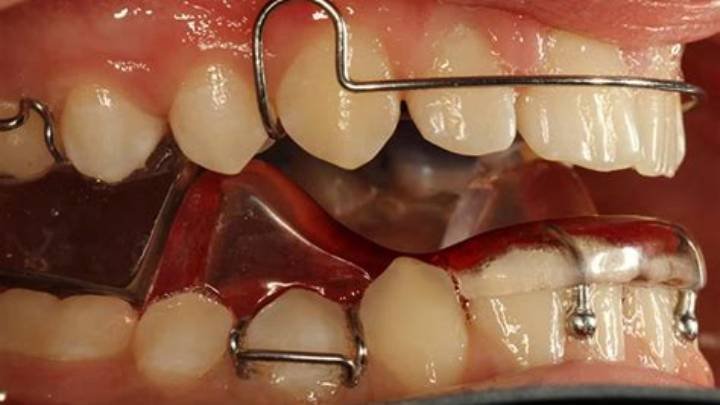
Dental activators are removable orthodontic appliances designed to influence the relationship between the upper and lower jaws. Unlike conventional braces, which primarily move individual teeth, functional appliances can work by encouraging changes in jaw positioning and muscle activity.
How Do They Work?
An activator generally fits over the teeth of both arches. When worn as directed, it can encourage the lower jaw to adopt a more favorable position. The appliance may also affect the muscles involved in chewing, swallowing, and other oral functions.
Because growth and development play an important role in functional orthodontics, dental activators are often considered particularly relevant for younger patients whose jaws are still developing. However, suitability depends on the individual’s dental structure, growth stage, and treatment objectives.
Can Dental Activators Fit Into Modern Orthodontic Care?
Modern orthodontics is increasingly focused on personalized treatment rather than relying on one appliance for every patient. Dental activators may therefore be incorporated into a broader treatment plan when their functional approach matches the patient’s needs.
Supporting Jaw Development
In growing patients, certain jaw discrepancies may be addressed with functional appliances. An activator can encourage the lower jaw to develop or position itself in a way that supports a healthier bite relationship.
This does not mean an activator is appropriate for every orthodontic concern. Complex tooth rotations, significant crowding, or other alignment problems may require braces, aligners, or additional orthodontic techniques.
Improving Bite Relationships
A balanced bite is important for comfortable chewing and efficient oral function. Dental activators may help address certain bite discrepancies by influencing how the upper and lower jaws relate to each other.
The goal is not simply to create straighter teeth. Modern orthodontic planning considers how teeth, jaws, muscles, and facial structures work together.
What Are the Potential Benefits?
When appropriately prescribed, dental activators can provide several functional advantages.
A Removable Treatment Option
One appealing feature is that many activators are removable. This can make brushing, flossing, and general oral hygiene more convenient compared with fixed orthodontic appliances.
However, removable appliances require patient cooperation. Wearing the device for the recommended amount of time is essential for achieving meaningful treatment progress.
Focus on Function as Well as Appearance
Traditional orthodontics often emphasizes tooth alignment, while functional appliances can place greater emphasis on jaw relationships and oral function. This broader approach can be useful when the underlying concern involves bite development rather than tooth position alone.
Potentially Useful During Growth
For children and teenagers with specific jaw-development concerns, functional appliances may be considered during periods of active growth. Timing is an important factor, which is why an orthodontic assessment should come before choosing an activator.
Are Dental Activators Right for Everyone?
No orthodontic appliance is universally suitable. Dental activators are most useful when their design and function match a patient’s specific dental and skeletal characteristics.
Professional Assessment Matters
An orthodontist may evaluate tooth position, jaw relationships, facial development, bite pattern, and overall oral health before recommending an appliance. Imaging and dental records may also be used to create a more complete treatment plan.
Patients should avoid choosing an activator based solely on appearance or general online information. Two people with similar-looking concerns can have very different underlying orthodontic needs.
Patient Cooperation Is Important
Because activators are commonly removable, consistent use is an important part of treatment. Forgetting to wear the appliance regularly can affect progress and may reduce its effectiveness.
Good oral hygiene is equally important. Teeth and gums should be kept clean, and the appliance should be maintained according to professional instructions.
How Do Dental Activators Compare With Other Options?
Modern orthodontics offers several treatment approaches. Fixed braces can provide precise control over tooth movement, while clear aligners offer a discreet removable alternative for suitable cases. Functional appliances such as activators address a different aspect of orthodontic treatment by influencing jaw relationships and muscle function.
In some cases, these approaches may even be used at different stages of treatment. The most appropriate sequence depends on the patient’s age, dental development, bite, and treatment goals.
Making an Informed Orthodontic Choice
Dental activators remain relevant in modern orthodontics because they address functional relationships that cannot always be managed through tooth movement alone. Their usefulness, however, depends heavily on correct diagnosis, treatment timing, appliance design, and consistent use.
Rather than choosing an appliance based on popularity, patients should discuss their concerns with a qualified dental professional. A personalized assessment can determine whether a dental activator, braces, aligners, or another approach is better suited to the individual’s oral needs. With the right treatment plan and ongoing care, orthodontic treatment can focus on creating a healthier bite while supporting long-term oral function.