Fear of God Essentials Hoodie The Complete Guide
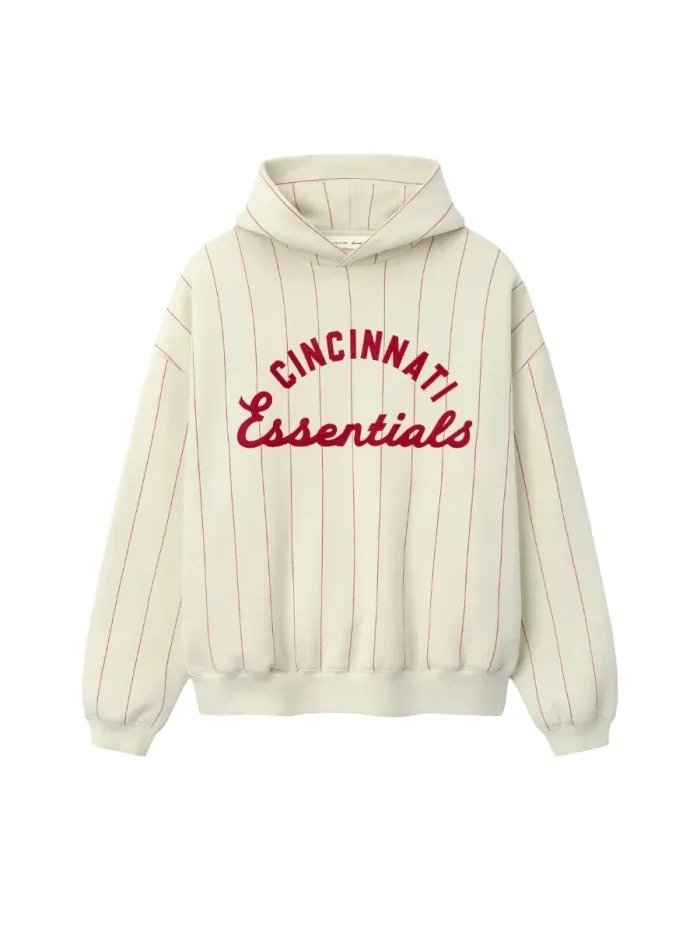
Fear of God Essentials Hoodie The Complete Guide
Fear of God Essentials Hoodie: The Complete Guide to Fit, Quality, and Care
Introduction: More Than Just a Logo
You’ve seen it everywhere—the subtly oversized hoodie with the small “Essentials” text across the chest, worn by teenagers at the mall, celebrities grabbing coffee, and just about everyone in between. But what makes this particular piece of fleece so compelling that people are willing to spend $150 to $200 on something that looks, at first glance, like a simple basic?
The Fear of God Essentials hoodie isn’t just clothing. It’s a statement about proportion, fabric weight, and the kind of quiet luxury that doesn’t need to scream to get noticed. As one teenager put it, the appeal is that it “looks clean without doing too much”. That understated quality is precisely why it’s become the unofficial uniform for a generation that values comfort without sacrificing style.
This guide cuts through the hype and gives you everything you need to know—from how the sizing actually works to how to keep that logo from peeling off after three washes. Let’s dive in.
The Origin Story: How Essentials Became a Cultural Phenomenon
American fashion designer Jerry Lorenzo launched Fear of God in 2013, building the brand around luxury basics inspired by gaps he saw in his own closet. The name itself honors his Christian faith, and the aesthetic drew immediate attention from musicians like Justin Bieber and Kanye West.
In 2018, Lorenzo introduced Fear of God Essentials as a diffusion line—a more accessible sister brand that applied the same design philosophy and dropped-shoulder construction to higher-volume production at a friendlier price point. The core design language remained identical: oversized silhouettes, muted earth tones, and minimal branding that communicates through fabric weight and proportion rather than loud graphics.
What happened next surprised even seasoned fashion observers. Essentials became omnipresent. The hoodie specifically—with its bold “Essentials” logo on the back and smaller “Fear of God” text beneath—transcended typical fashion demographics. Boys and girls of all ages embraced it, and parents found themselves paying $175 for a single sweatshirt because their kids insisted it was the only thing they wanted.
Understanding the Fabric: Why 380 GSM Changes Everything
The first thing you notice when you pick up an authentic Essentials hoodie is the weight. Most hoodies on the market use fabric that lands somewhere between 250 and 300 GSM (grams per square meter). The Essentials hoodie sits at a substantial 380 GSM, with some seasonal variations pushing even higher.
That extra weight translates directly into how the garment behaves on your body. Cheap fleece collapses against your frame. It sags at the shoulders and loses its shape after a few washes. The Essentials construction holds its structure. The boxy drape that defines the silhouette doesn’t cave in—it maintains its intentional shape whether you’re wearing it or it’s hanging in your closet.
The official composition is 80% cotton and 20% polyester fleece. That blend isn’t arbitrary. Cotton provides breathability and that soft, natural hand feel. Polyester adds durability and helps the fabric resist stretching out over time. The interior is brushed for softness, but not so much that the fabric feels flimsy or thin.
The double-layered hood deserves special attention. Unlike the floppy, shapeless hoods on cheaper sweatshirts, the Essentials hood retains its structure whether worn up or down. It frames your face cleanly instead of bunching into a wrinkled mass of fabric at your neck. It’s a small detail, but it’s exactly the kind of thing that separates a thoughtfully designed garment from a mass-produced blank.
The Sizing Conversation: Why “Running Big” Is the Wrong Question
Search online, and you’ll find endless debates about whether Essentials hoodies run true to size. The honest answer is that they run intentionally oversized—and that distinction matters.
Fear of God Essentials uses a specific proportion system. The chest is wide, the shoulders are dropped, but the body length stays surprisingly controlled. It hits right at the hip rather than hanging down past your thighs. This combination of extra width and restrained length creates the visual impression of a larger garment, but it’s not oversized in a haphazard way. It’s designed to look exactly as it looks.
If you want the full, intended streetwear silhouette with dramatic drop shoulders and a roomy chest, stay true to your normal size. If you prefer a cleaner, slightly more fitted look, sizing down one will give you that without breaking the proportions. Never size down two—the garment’s design collapses, and you’ll lose the structure that makes it special.
Slim builds benefit from staying true to size because the boxy chest adds visual dimension to a leaner frame. Athletic builds should also stay true to size; the extra room prevents the fabric from pulling tight across your upper back and shoulders. Broad or larger builds will find that the wider cut actually balances their frame rather than fighting it.
The Logo: What Makes Authentic Appliqué Different
The Essentials logo isn’t screen-printed. It’s a rubberized or flocked appliqué applied with precise heat and pressure during manufacturing. That production method creates a bond that’s strong under normal conditions but vulnerable to thermal stress over time.
Fake versions typically skip the complex production process. Some use flat screen prints with a slight texture additive. Others apply cheap electrostatic fuzz that sheds within the first few wears. You can identify authentic flocking by running your fingertip along the edge of the graphic. On a genuine piece, the boundary between the fiber pile and the surrounding fleece is clean and sharp. Cheap applications show a gradual, uneven transition where coverage thins out before the edge.
Press your thumb firmly into the center of the logo for three seconds, then release. Authentic flocked fibers recover to their upright orientation within one to two seconds. Fake versions stay flattened, and flat prints show zero recovery because there’s no pile structure to begin with.
Washing and Care: Protecting Your Investment
The single most important rule for preserving your Essentials Tracksuit is to avoid heat. The adhesive that bonds the rubberized logo to the fleece weakens progressively when exposed to warm or hot water, and a single high-heat dryer cycle can do more damage than twenty cold washes.
Turn the garment inside out before it goes anywhere near water. This places the fabric backing against the drum friction rather than the logo surface, dramatically reducing wear during agitation. Wash in cold water on a delicate cycle with a gentle liquid detergent. Skip the pods—they concentrate detergent chemistry in one location and can damage the adhesive bond.
Never put your Essentials hoodie in the dryer. Remove it from the washing machine immediately after the cycle completes and place it on a drying rack or flat surface. Air drying preserves both the logo integrity and the fabric weight. With this basic care routine, an Essentials hoodie will easily last two to three seasons, potentially longer.
Color Considerations: Why Matching Pieces Can Be Tricky
Essentials has built its reputation on a carefully curated palette of earth tones and neutrals, but that palette comes with complications. The brand’s colorways aren’t perfectly consistent across production runs. Buttercream runs warmer in some drops and cooler in others. String shifts between ivory and cool grey depending on the season. Stretch Limo, the signature black, can develop a greenish-grey cast after oxidation, and that fading happens at different rates depending on when the piece was produced.
If you’re buying a hoodie and sweatpants together, purchase them from the same drop if possible. If you’re buying secondhand, be aware that a “Dark Oatmeal” hoodie from 2021 and one from 2024 may look noticeably different in person even though they share the same colorway name.
The Verdict:
At $150 to $200, the Essentials hoodie costs significantly more than a standard Champion or H&M option. But the comparison isn’t quite fair. The fabric weight is noticeably heavier, the fit is more considered, and the construction holds up in ways that cheaper alternatives simply don’t.
You’re paying for a hoodie that won’t go limp after a month of wear, that won’t pill excessively, and that maintains its intended silhouette through repeated washes. For someone who wants a clean, minimal streetwear piece that works with virtually everything in their wardrobe, it’s a reasonable investment.
That said, if you machine dry everything and don’t want to adjust your laundry routine, this probably isn’t the hoodie for you. The care requirements are real, and ignoring them will shorten the garment’s lifespan dramatically.
Top 10 FAQs
1. Do Essentials hoodies run true to size? They run intentionally oversized; stay true to size for the full relaxed silhouette or size down one for a cleaner fit.
2. How can I tell if an Essentials hoodie is authentic? Check the fabric weight (should feel substantial), the logo texture (rubberized or flocked, not flat), and the tag details (centered and clean).
3. Will the Essentials logo peel off in the wash? The logo can peel if exposed to heat; always wash cold, inside out, and never use a dryer.
4. What is the GSM of an Essentials hoodie? Authentic Essentials hoodies use 380 GSM heavyweight fleece, though some seasonal variations may differ slightly.
5. Can I put my Essentials hoodie in the dryer? No; the heat will damage the adhesive bond on the logo and can shrink or distort the fabric.
6. Why do Essentials hoodies look so wide? The design uses a boxy chest with dropped shoulders and controlled length to create a specific streetwear proportion, not a sizing error.
7. What is the difference between Fear of God and Essentials? Fear of God is the luxury mainline; Essentials is the more accessible diffusion line that applies the same design language and silhouette DNA.
8. How much does an Essentials hoodie cost? Most hoodies retail between $150 and $200, with the most popular options at $150 and $175.
9. Do Essentials colors match across different pieces? Not always; colorways vary across production runs, so buying from the same drop is recommended for matching sets.
10. How long does an Essentials hoodie last? With proper cold-water washing and air drying, you can expect two to three seasons or more of regular wear.