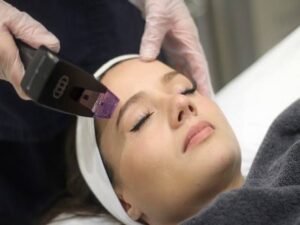
Women experience many physical changes throughout life. Pregnancy, childbirth, hormonal changes, ageing, injuries, and daily physical demands can affect muscles, joints, the pelvic floor, and overall movement. Women’s health physiotherapy is a specialized area of physiotherapy that focuses on physical conditions and rehabilitation needs that are particularly relevant to women.
This type of physiotherapy can support women during pregnancy, after childbirth, and at different stages of life. It may address pelvic floor concerns, back and pelvic pain, abdominal weakness, bladder symptoms, posture problems, and other musculoskeletal issues. A personalized assessment helps determine which treatment approach is appropriate for each individual.
What Is Women’s Health Physiotherapy?
Women’s health physiotherapy focuses on physical problems affecting women’s health and movement. It commonly includes pelvic health, pregnancy-related rehabilitation, postnatal recovery, and musculoskeletal care.
A women’s health physiotherapist may assess the pelvic floor, abdominal muscles, posture, breathing patterns, mobility, strength, and movement. Treatment can include therapeutic exercises, education, manual therapy, breathing techniques, and personalized rehabilitation.
The exact treatment depends on the woman’s symptoms, medical history, stage of life, and individual goals.
Who Can Benefit From Women’s Health Physiotherapy?
Women of different ages and life stages may benefit from this specialized form of physiotherapy. It is not limited to women who have recently given birth.
Some common reasons for seeking care include:
Concern
Possible Physiotherapy Focus
Pregnancy-related back pain
Mobility, posture, strength, and movement
Pelvic pain
Assessment, mobility, relaxation, and rehabilitation
Urinary leakage
Pelvic floor assessment and exercise
Postpartum weakness
Core and pelvic rehabilitation
Abdominal separation
Abdominal coordination and strengthening
C-section recovery
Scar mobility and functional rehabilitation
Menopausal changes
Strength, mobility, and pelvic health
Hip and lower back pain
Movement, strengthening, and flexibility
A professional assessment is important because similar symptoms can have different causes.
Pelvic Floor Physiotherapy
The pelvic floor is a group of muscles that supports pelvic organs and contributes to bladder and bowel control. Changes during pregnancy, childbirth, ageing, or other circumstances can affect pelvic floor function.
Some women may experience urinary leakage, pelvic heaviness, difficulty controlling bladder or bowel movements, or pelvic discomfort.
Pelvic floor physiotherapy can involve assessment of muscle strength, coordination, relaxation, and functional control. Treatment may include specific exercises and education based on the individual’s needs.
Pelvic floor exercises are not automatically appropriate in the same way for everyone. Some women may have weakness, while others may have muscles that are overly tight or poorly coordinated. A professional assessment can help determine the appropriate approach.
Women’s Health Physiotherapy During Pregnancy
Pregnancy can change posture, body weight, balance, joint loading, and the demands placed on the abdominal and pelvic floor muscles.
Some women remain active and comfortable during pregnancy, while others develop back pain, pelvic discomfort, hip problems, or difficulty performing normal activities.
Physiotherapy during pregnancy may focus on:
Safe movement
Posture
Strength
Mobility
Breathing
Pelvic floor coordination
Exercise modification
Daily activity strategies
The treatment plan should take the pregnancy stage and individual medical circumstances into consideration.
Postnatal Physiotherapy
Childbirth can place significant physical demands on the body. After delivery, some women experience pelvic floor weakness, urinary leakage, abdominal weakness, back pain, pelvic discomfort, or difficulty returning to exercise.
Postnatal physiotherapy provides structured support during recovery.
A physiotherapist may assess abdominal function, pelvic floor control, posture, breathing, strength, mobility, and functional activities. The rehabilitation program can then be progressed gradually.
The goal is not simply to return to exercise quickly. It is to rebuild physical capacity safely and according to individual recovery.
Physiotherapy After a C-Section
A C-section is a major surgical procedure, and recovery can involve changes in abdominal movement, scar sensitivity, posture, and general physical function.
Once medically appropriate, physiotherapy may help women gradually restore movement and strength. Depending on individual needs, rehabilitation may include gentle mobility, breathing exercises, abdominal rehabilitation, posture education, and later strengthening.
Scar-related concerns can also be discussed with a qualified professional. Treatment should always respect the healing process and medical guidance.
Diastasis Recti and Core Rehabilitation
Some women experience abdominal separation during or after pregnancy. This is commonly referred to as diastasis recti.
A women’s health physiotherapist can assess abdominal movement and coordination and develop an appropriate exercise program.
Core rehabilitation does not simply mean performing large numbers of abdominal exercises. The focus may include breathing, posture, abdominal coordination, pelvic floor function, and progressive strengthening.
Exercises should be selected according to the individual’s condition and physical goals.
Women’s Health and Pelvic Pain
Pelvic pain can have different causes and may affect daily activities, exercise, sitting, walking, or intimacy.
Women’s health physiotherapy can involve a detailed assessment to understand movement patterns, muscle tension, pelvic floor function, and other physical factors.
Treatment may include education, movement exercises, relaxation strategies, manual techniques, and progressive rehabilitation where appropriate.
Persistent or unexplained pelvic pain should Women’s Health Physiotherapy: A Complete Guide for Women
Women experience many physical changes throughout life. Pregnancy, childbirth, hormonal changes, ageing, injuries, and daily physical demands can affect muscles, joints, the pelvic floor, and overall movement. Women’s health physiotherapy is a specialized area of physiotherapy that focuses on physical conditions and rehabilitation needs that are particularly relevant to women.
This type of physiotherapy can support women during pregnancy, after childbirth, and at different stages of life. It may address pelvic floor concerns, back and pelvic pain, abdominal weakness, bladder symptoms, posture problems, and other musculoskeletal issues. A personalized assessment helps determine which treatment approach is appropriate for each individual.
What Is Women’s Health Physiotherapy?
Women’s health physiotherapy focuses on physical problems affecting women’s health and movement. It commonly includes pelvic health, pregnancy-related rehabilitation, postnatal recovery, and musculoskeletal care.
A women’s health physiotherapist may assess the pelvic floor, abdominal muscles, posture, breathing patterns, mobility, strength, and movement. Treatment can include therapeutic exercises, education, manual therapy, breathing techniques, and personalized rehabilitation.
The exact treatment depends on the woman’s symptoms, medical history, stage of life, and individual goals.
Who Can Benefit From Women’s Health Physiotherapy?
Women of different ages and life stages may benefit from this specialized form of physiotherapy. It is not limited to women who have recently given birth.
Some common reasons for seeking care include:
Concern
Possible Physiotherapy Focus
Pregnancy-related back pain
Mobility, posture, strength, and movement
Pelvic pain
Assessment, mobility, relaxation, and rehabilitation
Urinary leakage
Pelvic floor assessment and exercise
Postpartum weakness
Core and pelvic rehabilitation
Abdominal separation
Abdominal coordination and strengthening
C-section recovery
Scar mobility and functional rehabilitation
Menopausal changes
Strength, mobility, and pelvic health
Hip and lower back pain
Movement, strengthening, and flexibility
A professional assessment is important because similar symptoms can have different causes.
Pelvic Floor Physiotherapy
The pelvic floor is a group of muscles that supports pelvic organs and contributes to bladder and bowel control. Changes during pregnancy, childbirth, ageing, or other circumstances can affect pelvic floor function.
Some women may experience urinary leakage, pelvic heaviness, difficulty controlling bladder or bowel movements, or pelvic discomfort.
Pelvic floor physiotherapy can involve assessment of muscle strength, coordination, relaxation, and functional control. Treatment may include specific exercises and education based on the individual’s needs.
Pelvic floor exercises are not automatically appropriate in the same way for everyone. Some women may have weakness, while others may have muscles that are overly tight or poorly coordinated. A professional assessment can help determine the appropriate approach.
Women’s Health Physiotherapy During Pregnancy
Pregnancy can change posture, body weight, balance, joint loading, and the demands placed on the abdominal and pelvic floor muscles.
Some women remain active and comfortable during pregnancy, while others develop back pain, pelvic discomfort, hip problems, or difficulty performing normal activities.
Physiotherapy during pregnancy may focus on:
Safe movement
Posture
Strength
Mobility
Breathing
Pelvic floor coordination
Exercise modification
Daily activity strategies
The treatment plan should take the pregnancy stage and individual medical circumstances into consideration.
Postnatal Physiotherapy
Childbirth can place significant physical demands on the body. After delivery, some women experience pelvic floor weakness, urinary leakage, abdominal weakness, back pain, pelvic discomfort, or difficulty returning to exercise.
Postnatal physiotherapy provides structured support during recovery.
A physiotherapist may assess abdominal function, pelvic floor control, posture, breathing, strength, mobility, and functional activities. The rehabilitation program can then be progressed gradually.
The goal is not simply to return to exercise quickly. It is to rebuild physical capacity safely and according to individual recovery.
Physiotherapy After a C-Section
A C-section is a major surgical procedure, and recovery can involve changes in abdominal movement, scar sensitivity, posture, and general physical function.
Once medically appropriate, physiotherapy may help women gradually restore movement and strength. Depending on individual needs, rehabilitation may include gentle mobility, breathing exercises, abdominal rehabilitation, posture education, and later strengthening.
Scar-related concerns can also be discussed with a qualified professional. Treatment should always respect the healing process and medical guidance.
Diastasis Recti and Core Rehabilitation
Some women experience abdominal separation during or after pregnancy. This is commonly referred to as diastasis recti.
A women’s health physiotherapist can assess abdominal movement and coordination and develop an appropriate exercise program.
Core rehabilitation does not simply mean performing large numbers of abdominal exercises. The focus may include breathing, posture, abdominal coordination, pelvic floor function, and progressive strengthening.
Exercises should be selected according to the individual’s condition and physical goals.
Women’s Health and Pelvic Pain
Pelvic pain can have different causes and may affect daily activities, exercise, sitting, walking, or intimacy.
Women’s health physiotherapy can involve a detailed assessment to understand movement patterns, muscle tension, pelvic floor function, and other physical factors.
Treatment may include education, movement exercises, relaxation strategies, manual techniques, and progressive rehabilitation where appropriate.
Persistent or unexplained pelvic pain should also be discussed with an appropriate medical professional because physiotherapy may need to be coordinated with other healthcare services.
Women’s Health During Menopause
Menopause is another stage of life when women may experience physical changes. Changes in activity levels, muscle strength, body composition, joint comfort, and pelvic health can affect physical well-being.
Physiotherapy may support women through strength training, mobility exercises, balance work, pelvic health education, and strategies for maintaining physical function.
The treatment plan should be individualized according to symptoms, health status, lifestyle, and goals.
Benefits of Women’s Health Physiotherapy
Better Physical Function
Physiotherapy can help women improve movement, strength, mobility, and confidence in daily activities.
Pelvic Floor Support
Appropriate pelvic floor rehabilitation can help women improve muscle coordination and control when pelvic floor dysfunction is present.
Improved Recovery After Childbirth
Postnatal rehabilitation can provide structured support for rebuilding strength and returning gradually to normal activities.
Support During Pregnancy
Appropriate exercise and movement guidance can help women manage physical changes during pregnancy.
Better Core Strength
A personalized rehabilitation program can help restore abdominal and core function after pregnancy, surgery, or periods of reduced activity.
What Happens During a Women’s Health Physiotherapy Assessment?
The first appointment usually begins with a private discussion about symptoms, medical history, pregnancy or childbirth history when relevant, lifestyle, activity levels, and treatment goals.
The physiotherapist may assess:
Posture
Breathing
Core function
Pelvic floor function
Muscle strength
Mobility
Balance
Movement patterns
The assessment allows the physiotherapist to create an individualized treatment plan.
Patients should feel comfortable asking questions and discussing any concerns during the consultation.
Choosing a Women’s Health Physiotherapist
When choosing a women’s health physiotherapy service, consider the professional’s qualifications, relevant training, experience, and treatment approach.
It is useful to choose a physiotherapist who understands pelvic health, pregnancy-related conditions, postnatal rehabilitation, and women’s musculoskeletal concerns.
Privacy and communication are also important. Women should feel respected and comfortable discussing sensitive symptoms.
When Should You Seek Professional Help?
Consider speaking with a qualified physiotherapist if pain, weakness, urinary leakage, pelvic discomfort, movement difficulties, or postnatal problems are affecting your daily life.
You do not necessarily need to wait until symptoms become severe. Early professional assessment may help identify appropriate strategies for managing physical problems.
However, severe or unexplained symptoms may require medical evaluation. A physiotherapist can also recommend referral to another healthcare professional when appropriate.
Final Thoughts
Women’s health physiotherapy provides specialized support for women experiencing physical concerns related to pregnancy, childbirth, pelvic health, menopause, injuries, and musculoskeletal conditions.
Treatment can include therapeutic exercises, pelvic floor rehabilitation, mobility work, strengthening, breathing techniques, education, and other appropriate physiotherapy methods.
Every woman has different physical needs, so treatment should be based on an individual assessment rather than a standard program. With appropriate guidance and gradual rehabilitation, women can work toward better movement, strength, comfort, and confidence throughout different stages of life.
FAQs About Women’s Health Physiotherapy
What is women’s health physiotherapy?
It is a specialized area of physiotherapy focusing on physical and musculoskeletal concerns that are particularly relevant to women, including pelvic health, pregnancy, and postnatal recovery.
Can women’s health physiotherapy help during pregnancy?
Yes. It may provide guidance for safe movement, exercise, posture, pelvic floor function, and pregnancy-related discomfort when appropriate.
Can physiotherapy help after childbirth?
Yes. Postnatal physiotherapy can support recovery of the pelvic floor, abdominal muscles, strength, mobility, and general physical function.
Can women’s health physiotherapy help urinary leakage?
Pelvic floor physiotherapy may help appropriate cases of urinary leakage by assessing muscle function and providing individualized rehabilitation.
Is women’s health physiotherapy only for mothers?
No. Women at different stages of life can seek physiotherapy for pelvic health, musculoskeletal problems, menopause-related concerns, and other physical conditions.
Can physiotherapy help with diastasis recti?
A qualified physiotherapist can assess abdominal function and develop an appropriate progressive exercise program for suitable cases.
How long does women’s health physiotherapy take?
The duration varies depending on the condition, symptoms, individual goals, and progress during rehabilitation.
also be discussed with an appropriate medical professional because physiotherapy may need to be coordinated with other healthcare services.
Women’s Health During Menopause
Menopause is another stage of life when women may experience physical changes. Changes in activity levels, muscle strength, body composition, joint comfort, and pelvic health can affect physical well-being.
Physiotherapy may support women through strength training, mobility exercises, balance work, pelvic health education, and strategies for maintaining physical function.
The treatment plan should be individualized according to symptoms, health status, lifestyle, and goals.
Benefits of Women’s Health Physiotherapy
Better Physical Function
Physiotherapy can help women improve movement, strength, mobility, and confidence in daily activities.
Pelvic Floor Support
Appropriate pelvic floor rehabilitation can help women improve muscle coordination and control when pelvic floor dysfunction is present.
Improved Recovery After Childbirth
Postnatal rehabilitation can provide structured support for rebuilding strength and returning gradually to normal activities.
Support During Pregnancy
Appropriate exercise and movement guidance can help women manage physical changes during pregnancy.
Better Core Strength
A personalized rehabilitation program can help restore abdominal and core function after pregnancy, surgery, or periods of reduced activity.
What Happens During a Women’s Health Physiotherapy Assessment?
The first appointment usually begins with a private discussion about symptoms, medical history, pregnancy or childbirth history when relevant, lifestyle, activity levels, and treatment goals.
The physiotherapist may assess:
Posture
Breathing
Core function
Pelvic floor function
Muscle strength
Mobility
Balance
Movement patterns
The assessment allows the physiotherapist to create an individualized treatment plan.
Patients should feel comfortable asking questions and discussing any concerns during the consultation.
Choosing a Women’s Health Physiotherapist
When choosing a women’s health physiotherapy service, consider the professional’s qualifications, relevant training, experience, and treatment approach.
It is useful to choose a physiotherapist who understands pelvic health, pregnancy-related conditions, postnatal rehabilitation, and women’s musculoskeletal concerns.
Privacy and communication are also important. Women should feel respected and comfortable discussing sensitive symptoms.
When Should You Seek Professional Help?
Consider speaking with a qualified physiotherapist if pain, weakness, urinary leakage, pelvic discomfort, movement difficulties, or postnatal problems are affecting your daily life.
You do not necessarily need to wait until symptoms become severe. Early professional assessment may help identify appropriate strategies for managing physical problems.
However, severe or unexplained symptoms may require medical evaluation. A physiotherapist can also recommend referral to another healthcare professional when appropriate.
Final Thoughts
Women’s health physiotherapy provides specialized support for women experiencing physical concerns related to pregnancy, childbirth, pelvic health, menopause, injuries, and musculoskeletal conditions.
Treatment can include therapeutic exercises, pelvic floor rehabilitation, mobility work, strengthening, breathing techniques, education, and other appropriate physiotherapy methods.
Every woman has different physical needs, so treatment should be based on an individual assessment rather than a standard program. With appropriate guidance and gradual rehabilitation, women can work toward better movement, strength, comfort, and confidence throughout different stages of life.
FAQs About Women’s Health Physiotherapy
What is women’s health physiotherapy?
It is a specialized area of physiotherapy focusing on physical and musculoskeletal concerns that are particularly relevant to women, including pelvic health, pregnancy, and postnatal recovery.
Can women’s health physiotherapy help during pregnancy?
Yes. It may provide guidance for safe movement, exercise, posture, pelvic floor function, and pregnancy-related discomfort when appropriate.
Can physiotherapy help after childbirth?
Yes. Postnatal physiotherapy can support recovery of the pelvic floor, abdominal muscles, strength, mobility, and general physical function.
Can women’s health physiotherapy help urinary leakage?
Pelvic floor physiotherapy may help appropriate cases of urinary leakage by assessing muscle function and providing individualized rehabilitation.
Is women’s health physiotherapy only for mothers?
No. Women at different stages of life can seek physiotherapy for pelvic health, musculoskeletal problems, menopause-related concerns, and other physical conditions.
Can physiotherapy help with diastasis recti?
A qualified physiotherapist can assess abdominal function and develop an appropriate progressive exercise program for suitable cases.
How long does women’s health physiotherapy take?
The duration varies depending on the condition, symptoms, individual goals, and progress during rehabilitation.