Skin pigmentation is a common concern that can affect people of different ages and skin types. It may appear as dark spots, uneven skin tone, sun spots, melasma, acne marks, or darker areas around the lips. While pigmentation is usually not harmful, it can affect the overall appearance of the skin and make the complexion look uneven.
At Biolite Clinic, pigmentation concerns can be assessed to understand their type, possible causes, and suitable treatment options. Depending on the condition of the skin, a personalized pigmentation treatment plan may include laser procedures, topical products, or other professional treatments. Among these options, laser treatment can help target excess pigmentation and support a more even-looking complexion.
Understanding how laser procedures work, what happens during treatment, and what to expect afterward can help patients make informed decisions about their skincare.
What Is Pigmentation and Why Does It Develop?
Pigmentation refers to changes in the natural color of the skin. Melanin is the pigment responsible for skin, hair, and eye color. When the body produces more melanin in certain areas, those areas can appear darker than the surrounding skin.
Several factors can contribute to pigmentation, including:
- Frequent sun exposure
- Hormonal changes
- Acne and skin inflammation
- Previous skin injuries
- Certain medications
- Aging
- Genetic factors
- Improper skincare
- Hormonal conditions such as melasma
Pigmentation can occur on the face, neck, hands, and other exposed areas. Lip pigmentation is another common concern, where the lips or skin around the lips may become darker.
Before selecting a treatment, it is important to identify the type and cause of pigmentation. This allows the treatment plan to be adjusted according to the patient’s individual skin needs.
How Laser Treatment for Pigmentation Works
laser treatment for pigmentation uses controlled laser energy to target areas containing excess pigment. The laser delivers energy to the pigmented areas, helping break down or affect the unwanted pigment so that the body can gradually process it.
Different laser technologies may be suitable for different pigmentation concerns. The choice depends on factors such as the type of pigmentation, skin tone, location of the pigmentation, and previous treatments.
At Biolite Clinic, the treatment approach can be personalized according to the patient’s skin condition. A consultation allows the specialist to assess the pigmentation and determine whether laser treatment is appropriate.
Laser treatment does not always mean that pigmentation disappears after one session. Multiple sessions may be recommended depending on the severity and type of pigmentation.
Consultation Before Pigmentation Treatment
A consultation is an important first step before beginning any pigmentation treatment. During the consultation, the skin can be examined to understand the pigmentation pattern and possible triggers.
The specialist may discuss:
- The type of pigmentation
- When the pigmentation first appeared
- Previous skincare or cosmetic treatments
- Sun exposure
- Current skincare products
- Skin sensitivity
- Medical or medication history when relevant
- Expected treatment results
Patients should also discuss their concerns and goals. For example, someone dealing with general facial pigmentation may require a different approach from someone mainly concerned about pigmentation around the lips.
The consultation also helps establish realistic expectations. Pigmentation can sometimes return if the factors causing it, particularly sun exposure or hormonal changes, continue.
Preparing for Laser Treatment
Proper preparation can support a smoother treatment experience. Patients are generally advised to protect their skin from excessive sun exposure before treatment and use appropriate sunscreen.
The skin should be kept clean and should not be irritated before the procedure. Depending on the treatment plan, the specialist may also recommend temporarily stopping certain skincare products that can increase sensitivity.
Patients should follow the specific instructions provided by Biolite Clinic because preparation can vary according to the laser technology being used and the condition being treated.
It is also important to inform the specialist about recent cosmetic procedures, active skin irritation, or any products that may affect the skin’s sensitivity.
What Happens During the Laser Treatment?
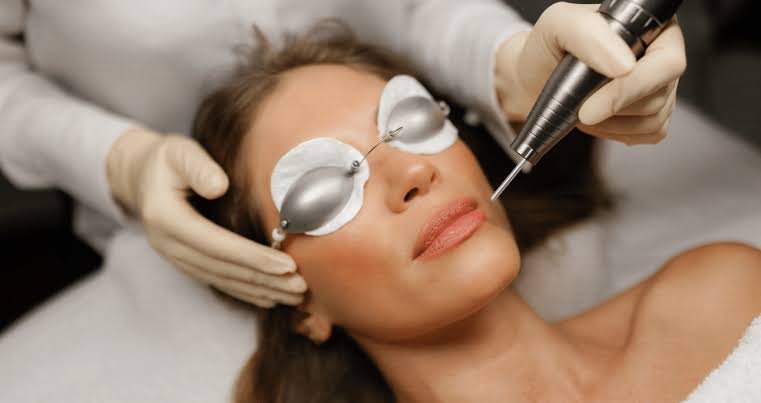
The exact treatment process depends on the selected laser and the area being treated. The skin is usually cleansed before the procedure. Protective measures are used to help keep the eyes and surrounding areas safe when required.
The laser device is then used over the targeted pigmented areas. Patients may experience sensations such as warmth, mild tingling, or small snapping sensations during treatment. The level of discomfort varies from person to person and depends on the treatment area and laser settings.
The procedure is generally designed to target pigmentation while limiting unnecessary exposure to surrounding skin. Treatment time can vary depending on the size of the area being treated.
After the procedure, the skin may appear slightly red or feel warm. These effects are commonly temporary, but patients should follow the aftercare instructions provided by their specialist.
Laser Treatment for Facial Pigmentation
Facial pigmentation can appear in several forms, including sun spots, post-acne marks, and uneven patches. Because facial skin can be sensitive, laser settings need to be selected carefully.
The goal of laser treatment for pigmentation is to target unwanted pigment while supporting a more balanced appearance of the complexion.
However, not every dark mark should automatically be treated with a laser. A proper assessment is important because different pigmentation conditions can respond differently to treatment.
At Biolite Clinic, the treatment plan can be developed according to the individual’s skin type and pigmentation concerns rather than using the same approach for every patient.
Lip Pigmentation Treatment and What to Expect
The lips and surrounding skin can develop darker pigmentation for several reasons. Sun exposure, dryness, irritation, smoking, certain products, and other factors may contribute to changes in lip color.
lip pigmentation treatment requires careful assessment because the lip area is more delicate than many other areas of the face.
Depending on the cause and appearance of the pigmentation, treatment may involve professional procedures and a suitable skincare routine. Laser-based approaches may be considered in selected cases when appropriate.
Patients should avoid expecting an immediate permanent change in lip color after one session. The number of sessions and the expected improvement depend on the underlying cause, skin characteristics, and response to treatment.
Biolite Clinic can assess the lip area and recommend an approach based on the individual’s specific concerns.
How Many Laser Sessions May Be Needed?
The number of sessions varies from one person to another. Mild pigmentation may require fewer sessions, while more persistent or extensive pigmentation may need a longer treatment plan.
Factors that can influence the number of sessions include:
- Type of pigmentation
- Depth of pigment
- Skin tone
- Size of the treatment area
- Response to previous treatments
- Sun exposure
- Hormonal factors
- Individual skin response
The specialist may recommend a series of sessions with appropriate intervals between them. Allowing the skin time to recover is an important part of the treatment process.
Recovery After Laser Pigmentation Treatment
Recovery is an important part of the overall treatment process. Immediately after treatment, the skin may look slightly red or feel warm. Some patients may notice temporary sensitivity or mild swelling.
Depending on the laser used, the treated pigmentation may temporarily become darker before gradually fading. The exact recovery experience varies between patients.
Patients should avoid unnecessary sun exposure during recovery and use broad-spectrum sunscreen as recommended. It is also important to avoid picking, scratching, or irritating the treated area.
A gentle skincare routine can help support the skin while it recovers. Patients should follow the aftercare instructions provided by Biolite Clinic rather than introducing strong products without professional guidance.
Why Sun Protection Matters After Pigmentation Treatment
Sun protection is one of the most important parts of managing pigmentation. Ultraviolet exposure can stimulate melanin production and may contribute to the return or worsening of dark spots.
After pigmentation treatment, consistent sun protection can help protect the skin from further pigmentation. Sunscreen should be used as recommended, especially when spending time outdoors.
Other helpful habits can include wearing protective clothing, seeking shade, and limiting unnecessary exposure to strong sunlight.
Even when the skin looks clearer after treatment, maintaining sun protection is important for long-term skin care.
Can Pigmentation Return After Treatment?
Laser treatment can improve the appearance of pigmentation, but it does not always prevent future pigmentation from developing. Some types of pigmentation are influenced by ongoing factors such as hormones, sun exposure, inflammation, and genetics.
This means maintenance and prevention can be important after completing treatment.
A suitable skincare routine, regular sunscreen use, and professional follow-up can help patients manage their skin over time. If pigmentation begins to return, the specialist can assess the skin and suggest an appropriate next step.
Choosing Biolite Clinic for Pigmentation Concerns
Choosing a suitable clinic is an important part of any cosmetic skin treatment. At Biolite Clinic, pigmentation concerns can be assessed before a treatment plan is recommended.
The approach can focus on understanding the patient’s skin condition, selecting an appropriate treatment option, and providing guidance for before and after the procedure.
Patients can discuss concerns such as facial pigmentation, sun spots, uneven skin tone, acne-related pigmentation, or lip pigmentation during consultation. A personalized plan can then be developed according to the skin’s needs.
Final Thoughts on Laser Treatment for Pigmentation
Pigmentation can have different causes and may appear in different forms, so treatment should be based on the individual’s skin condition. laser treatment for pigmentation can be considered as one professional option for targeting unwanted pigment and improving the appearance of uneven skin tone.
A proper consultation is essential before starting treatment because the right procedure, laser settings, number of sessions, and aftercare can vary between patients. Whether the concern involves general facial pigmentation or lip pigmentation treatment, professional assessment can help determine the most suitable approach.
With appropriate treatment, sun protection, and consistent skincare, patients can work toward a more even-looking complexion. At Biolite Clinic, patients can discuss their pigmentation concerns and receive guidance based on their individual skin needs.