For anyone new to steel finishing, hot dip galvanizing can sound far more complicated than it actually is in practice. At its core, the process involves submerging clean, carefully prepared steel into a kettle of molten zinc, where a chemical reaction bonds zinc permanently to the steel’s surface at a molecular level. Pacific Galvanizing has refined this process over decades of hands-on experience, offering steel protection that consistently outperforms paint, powder coating, and most other corrosion-resistant finishes currently available on the market for outdoor, industrial, and structural applications of nearly every size and shape. Once someone understands the handful of stages involved, it becomes much easier to see why the process takes the time it does and why the results hold up so much longer than a simple painted or coated surface ever could.
Step One: Surface Preparation
Before any steel ever touches molten zinc, it has to be completely clean, with no exceptions. That means removing oil, dirt, rust, and mill scale through a careful series of chemical baths, typically starting with a caustic degreasing solution followed by an acid pickling bath that strips away any remaining surface oxidation down to bare metal. Skipping or rushing this early step is one of the most common causes of coating failure in the entire industry, since zinc simply cannot bond properly to a surface that still carries contaminants, no matter how well the later stages of the process are executed afterward. Experienced staff know how to read the condition of incoming steel and adjust bath time accordingly, since heavily rusted or oily parts need longer exposure than steel that arrives already relatively clean from the fabricator. Anyone wanting to see the full range of Hot Dip Galvanizing services available can review the current process and capabilities directly.
Step Two: Fluxing for a Clean Bond
After pickling and thorough rinsing, steel passes through a zinc ammonium chloride flux solution, which removes any final trace of oxide film and actively prevents new oxidation from forming before the piece enters the zinc bath itself. This step also helps molten zinc flow smoothly and evenly across the entire surface, including recessed areas, threaded fasteners, and welded joints, which is absolutely essential for achieving even coating thickness across a complex part. Without proper fluxing, coatings can end up patchy, thin, or inconsistent in critical structural areas that need protection the most.
Step Three: The Zinc Bath Itself
Here is where the real transformation actually happens. Steel is fully immersed in a kettle of molten zinc heated to approximately 830 degrees Fahrenheit, and during this immersion, a genuine metallurgical reaction occurs between the iron in the steel and the surrounding zinc, forming several distinct layers of zinc-iron alloy topped with a final layer of pure zinc. This layered structure is precisely what gives galvanized steel its exceptional long-term durability, since even if the outer layer eventually gets scratched or worn, the alloy layers underneath continue providing meaningful protection for years afterward. The exact time steel spends in the bath depends on its thickness and mass, and experienced operators know how to judge this by feel and experience rather than relying on a single fixed rule that would not account for the wide variety of shapes and sizes that come through the facility.
Step Four: Cooling and Inspection
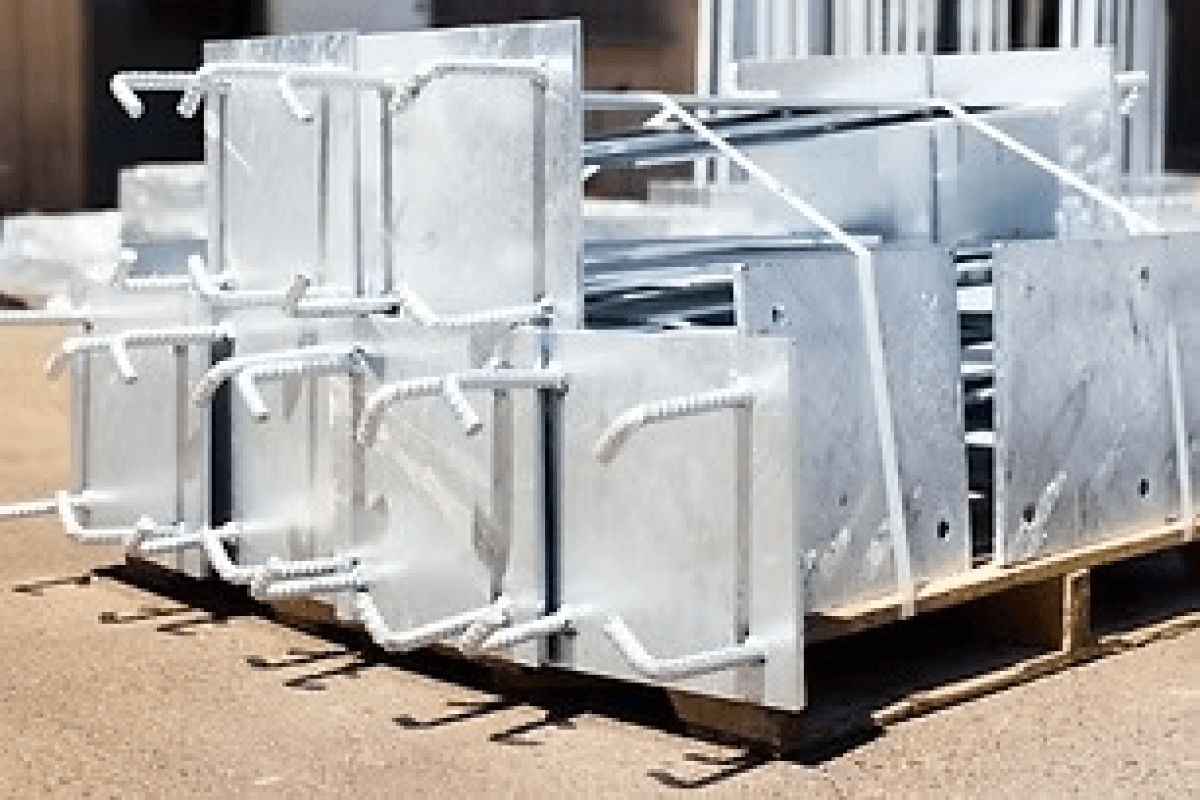
Once removed from the bath, steel is cooled, either in open air or a dedicated water quench tank, and then thoroughly inspected for coating thickness, overall appearance, and adhesion quality. Any rough spots, drips, or minor imperfections are cleaned up before shipping, and coating thickness is carefully measured against ASTM standards to confirm the piece meets required specifications for its intended application. This final quality check is precisely what ensures customers receive steel that will genuinely perform as expected once it is installed and put into everyday use.
Why This Matters for Your Project
Understanding the process behind hot dip galvanizing makes it much easier to appreciate why it costs what it does and why it lasts as long as it genuinely does compared to cheaper alternatives. For anyone specifying corrosion protection for structural steel, fencing, or outdoor equipment, knowing that a trusted provider follows every one of these steps carefully offers real, well-founded confidence that the finished product will hold up for decades, not just a few short seasons, once it leaves the facility and goes into service on a job site. That confidence is worth a great deal to anyone responsible for a structure’s long-term performance, whether they are an engineer signing off on a design or a property owner planning a budget years into the future.