Single Guest Beds
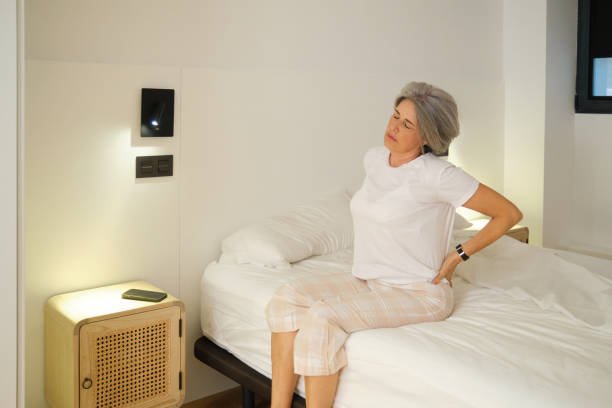
A guest room sits empty most nights of the year. Then a cousin visits or a friend crashes for the weekend and suddenly that narrow mattress in the corner gets tested. Morning arrives and the guest shuffles out rubbing their lower back like they wrestled a mattress and lost. Single Guest Beds carry a reputation for comfort on paper yet plenty of them fail the body the moment real weight settles onto them night after night. This piece digs into the reasons a spare bed turns into a source of pain and what a person can watch for before the next visitor unpacks their bag.
What Makes a Narrow Mattress Different From a Regular One?
Manufacturers trim width and often trim thickness too when they build a guest sized frame. Less foam or fewer coils sit under a sleeper compared to a queen or king counterpart. A thinner core sags faster under steady pressure since fewer layers exist to spread out body weight. Spine alignment depends on even support along the whole length of a torso and hips. Skimp on that support and the lower back drops into a hollow while the shoulders and hips take the brunt of the pressure. Guests notice the dip within a night or two and blame their own body instead of the mattress underneath them.
Does Cheap Foam Turn a Spare Bed Into a Pain Trap?
Budget foam compresses fast and rarely bounces back the way a denser material would. Retailers push these frames toward buyers who plan around occasional use rather than nightly sleep so cost trumps quality during production. That approach backfires the second a guest stays more than one night in a row. A soft top layer without proper density underneath creates a bowl shape around the hips. Muscles along the spine work overtime to correct that curve through the entire night. Waking up with stiffness becomes the natural outcome of a frame built for storage convenience rather than for a spine that needs steady support.
Why Do Single Guest Beds Wear Out Faster Than Expected?
Frequent use was never part of the original design brief for most guest frames. A mattress meant for occasional nights skips the reinforcement that daily sleepers demand from their bedding. Springs weaken and foam flattens after a string of weekend visitors or a long stretch where the room doubles as a home office bed. Owners rarely rotate or flip these mattresses since nobody remembers a bed nobody sleeps in regularly. Dust and moisture settle into fibers over months of disuse which softens materials from the inside before a single guest even lies down. By the time company arrives the mattress has already lost much of its original support.
Can the Wrong Bed Frame Add to the Trouble?
A saggy foundation beneath a mattress undoes even a decent sleep surface above it. Slats that space too far apart let a mattress dip between gaps and create pressure points along the spine. Metal frames with weak center support bow under adult body weight over a single night. Guests sleeping on a poor foundation feel soreness regardless of how new the mattress on top might look. Single Guest Beds paired with a shaky frame turn a short visit into a physical ordeal that lingers for days after the guest heads home.
How Does Sleep Position Interact With a Narrow Mattress?
Side sleepers need cushion around shoulders and hips to keep the spine level from neck to tailbone. A thin narrow mattress often lacks that cushion which forces the shoulder to jam against a firmer base layer. Back sleepers fare a bit better on a firmer surface yet still suffer if the lumbar region sinks lower than the rest of the body. Stomach sleepers face the roughest outcome since a soft sagging bed pulls the hips down and arches the lower spine into an unnatural curve. Most guests never think about their usual sleep position until a night on an unfamiliar mattress reminds them the hard way.
What Should a Host Look For Before Buying a Replacement?
Density matters more than price tags suggest at first glance. A guest frame with genuine support layers holds up under regular use instead of collapsing after a handful of visits. Firmness should sit somewhere in the middle range since extremes on either end tend to strain a back that never adjusted to that particular bed. Trial periods offered by many retailers give a host room to test comfort before committing fully. Single Guest Beds built with pocket coils or high density foam cost a bit more upfront yet spare visitors the sore mornings that cheaper options practically guarantee.
Final Thoughts
Nobody plans a weekend around back pain yet that outcome shows up more often than hosts realize. A spare bed deserves the same attention a primary mattress receives since bodies do not treat occasional sleep any differently from nightly rest. Swapping out worn foam checking the frame underneath and picking a mattress built for real support turns a dreaded guest room into a place visitors actually look forward to staying in. A little research before the next purchase saves both the host and every future guest from a stiff and grumpy morning.
FAQs
Why does a guest mattress sag faster than a main bedroom mattress?
Cheaper materials and thinner layers go into most guest frames since manufacturers design them for occasional rather than nightly use.
Can a firm mattress topper fix a sagging guest bed?
A topper helps for a short stretch though it rarely solves problems tied to a weak frame or worn out coils underneath.
How often should a guest mattress get replaced?
Most guest mattresses hold up for about seven to ten years with occasional use though signs of sagging call for an earlier swap.
Does mattress width alone cause back pain in guests?
Width plays a role yet thickness density and the frame underneath usually carry more weight in causing discomfort during sleep.
What sleep position suffers most on a poor quality guest bed?
Stomach sleepers tend to struggle the most since a soft sagging surface pulls the hips down and strains the lower spine.