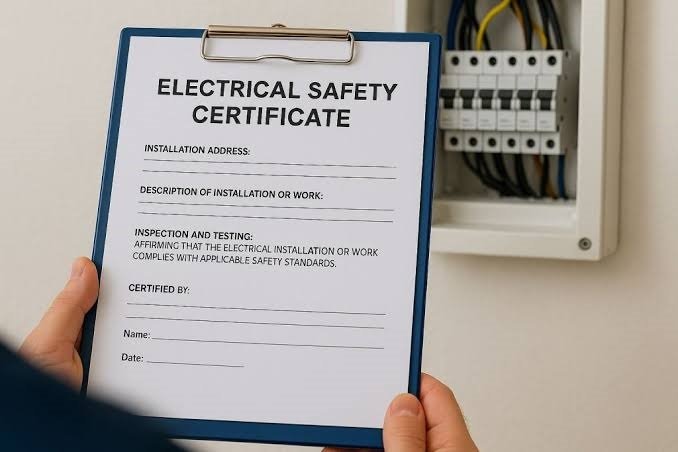
electrical certificate london
Electrical safety is an important part of owning, renting, managing, or maintaining a property in London. Faulty wiring, damaged sockets, outdated consumer units, and poor electrical work can create serious safety risks and may also cause problems when a property is rented, sold, renovated, or inspected.
An electrical certificate London property owners often need is evidence that electrical installation work or an inspection has been completed by a suitably qualified professional. The exact certificate depends on the type of work carried out and the reason for the inspection. For rental properties, an Electrical Installation Condition Report, commonly called an EICR, is especially important. In England, landlords must have electrical installations inspected and tested at least every five years by a qualified person.
Understanding the different certificates, expected costs, inspection process, and legal requirements can help property owners avoid delays and unexpected expenses. It also makes it easier to keep electrical installations safe and maintain the right paperwork.
What Is an Electrical Certificate in London?
An electrical certificate is a document that records the results of electrical installation work, inspection, or testing. It confirms what work or checks were carried out and records whether the installation meets the relevant requirements.
There is not just one type of electrical certificate. The correct document depends on the situation.
For example, a new electrical installation may require an Electrical Installation Certificate, while an existing installation may be assessed through an Electrical Installation Condition Report. Minor electrical work may also have its own Minor Electrical Installation Works Certificate.
This distinction matters because an EICR is not simply a certificate confirming that an electrician installed something. It is a condition report that assesses the safety of an existing electrical installation.
For domestic electrical work in England, Building Regulations requirements also apply. Approved Document P covers electrical safety in dwellings, including requirements around the design, installation, inspection, testing, and provision of information.
Electrical Certificate London: Which Certificate Do You Need?
The right certificate depends on the electrical work and the property.
Electrical Installation Certificate
An Electrical Installation Certificate, or EIC, is generally used when a new electrical installation is completed or when significant electrical installation work is carried out.
It provides information about the work, inspection, testing, and compliance of the installation. It can be particularly relevant after major rewiring, a new installation, or substantial alterations.
Electrical Installation Condition Report
An Electrical Installation Condition Report, or EICR, assesses the condition of an existing electrical installation.
The inspection can cover fixed electrical components such as wiring, sockets, switches, consumer units, and other parts of the installation. The inspector records observations and assigns classification codes where issues are identified.
For rented properties in England, landlords must have electrical installations inspected and tested at least every five years by a qualified person. They must also obtain the resulting report and provide it to tenants within the required timeframe.
Minor Electrical Installation Works Certificate
A Minor Electrical Installation Works Certificate may be used for certain smaller electrical works that do not require a full Electrical Installation Certificate.
The document records the work and relevant test results. Whether it is appropriate depends on the nature and extent of the work.
Building Regulations Compliance Certificate
Some electrical work in dwellings falls under Building Regulations. Where work is completed by an installer registered with a competent person scheme, the installer may be able to self-certify qualifying work and notify the relevant authority. GOV.UK explains that competent person schemes allow registered tradespeople to self-certify certain building work instead of making a separate building regulations application.
Electrical Certificate London Cost: What Affects the Price?
The cost of an electrical certificate in London varies. There is no single fixed price because every property and inspection is different.
The main factors include the size of the property, number of circuits, age of the electrical installation, accessibility of electrical components, condition of the wiring, location, and amount of testing required.
An inspection for a small flat with a straightforward installation may take less time than an inspection for a large house, commercial property, or older building with multiple circuits.
If the inspection identifies faults, the initial inspection fee may not cover remedial work. Repairs, replacement components, further investigation, or additional testing can increase the final cost.
For this reason, it is useful to ask for a clear quotation that explains what the inspection includes and how remedial work will be charged.
What Happens During an Electrical Inspection?
The electrical inspection process involves more than simply looking at sockets and switches.
The qualified inspector first reviews the available information about the installation. They then inspect relevant electrical components and carry out appropriate testing.
Depending on the property, the assessment may consider the condition of wiring, protective devices, consumer units, earthing and bonding arrangements, sockets, switches, and other fixed electrical equipment.
Testing helps identify issues that may not be visible during a basic visual inspection.
The inspector then records observations and classifies defects according to their level of concern. The report provides a record of the findings and indicates whether further action is needed.
The Electrical Safety Standards guidance uses classification codes including C1, C2, C3, and FI. C1 indicates danger present and a risk of injury, while C2 indicates a potentially dangerous condition. C3 means improvement is recommended, while FI means further investigation is required.
Understanding EICR Codes
Knowing the codes on an electrical report makes it easier to understand what action is required.
C1: Danger Present
A C1 code means that a dangerous condition is present and there is a risk of injury. Urgent action is normally required to make the situation safe.
C2: Potentially Dangerous
A C2 code identifies a potentially dangerous condition. Remedial work is required to address the issue.
C3: Improvement Recommended
A C3 code indicates that an improvement is recommended. However, a C3 observation does not mean that remedial work is required for the report to be considered satisfactory under the private rented sector regulations.
FI: Further Investigation
FI means that further investigation is required without delay. Additional assessment may be needed before the condition of the installation can be properly established.
These classifications are useful because they separate urgent safety concerns from recommendations for improvement.
Electrical Certificate London Legal Requirements for Landlords
Landlords in England have specific electrical safety responsibilities.
Under the Electrical Safety Standards in the Private Rented Sector regulations, electrical installations in rented properties must be inspected and tested by a qualified person at least every five years. The inspection can also be required sooner if the most recent report specifies a shorter interval.
Landlords must obtain the inspection report and provide a copy to an existing tenant within 28 days of the inspection. A new tenant should receive a copy before occupying the property. The local council can also request a copy.
Importantly, landlords do not automatically need a new electrical inspection before every new tenancy if a valid report is still within its required period and does not require further investigative or remedial work. However, a landlord should still remain alert to damage or deterioration that could affect electrical safety.
What If an EICR Fails?
An EICR can identify issues that need attention. A report containing C1, C2, or FI observations may require further action.
For landlords covered by the regulations, where the report identifies C1 or C2 issues, remedial work is required. Further investigation identified by an FI code must also be addressed.
The important point is that an unsuccessful report does not simply mean the property cannot be used. It means that identified electrical safety issues need to be addressed according to the findings.
After remedial work, appropriate certification or documentation should be retained. In some cases, further inspection or testing may be needed to confirm that the relevant issues have been resolved.
How Long Does an Electrical Inspection Take?
The time required depends on the property and the complexity of its electrical installation.
A small residential property with an accessible installation may be assessed more quickly than a large house, converted property, HMO, office, shop, or older building.
The inspector may need access to the consumer unit, circuits, sockets, switches, and other relevant areas. Therefore, property owners should make sure that the electrician can access the parts of the installation that need inspection.
It is also helpful to have previous electrical certificates, reports, records of alterations, and details of recent electrical work available.
Good preparation can make the inspection more efficient and reduce unnecessary delays.
Electrical Certificates for Property Sales and Renovation
An electrical certificate can also be useful when buying, selling, or renovating a property.
Buyers may want evidence that electrical work has been completed correctly, particularly where a property has undergone rewiring or significant alterations.
During renovation projects, electrical work may form part of wider building work. Where Building Regulations apply, the correct notification and certification process should be followed.
GOV.UK notes that work completed through an appropriate competent person scheme can be self-certified where the scheme covers that type of work. A certificate can provide evidence that the work complies with building standards.
Keeping electrical documentation organised can therefore help with future maintenance, property transactions, and compliance checks.
How to Choose an Electrical Professional in London
Choosing the right professional is important because an electrical report is only useful when the inspection has been completed competently.
Property owners should check the electrician’s qualifications, experience, insurance, and relevant registration. For work involving Building Regulations, it is also useful to check whether the professional is registered with an appropriate competent person scheme.
The Electrical Competent Person Register is referenced by GOV.UK as a way to find or check an electrician for relevant domestic electrical work.
A professional should also provide clear documentation after completing the inspection or installation work.
Be cautious of unusually low quotes that do not explain what is included. A low initial price can become expensive if important testing, documentation, or remedial work is excluded.
Common Electrical Certificate Mistakes to Avoid
One common mistake is treating an EICR as a generic certificate for every type of electrical work. The correct documentation depends on the work completed.
Another mistake is assuming that every electrical inspection automatically produces a satisfactory report. An inspection is designed to identify defects, so the outcome depends on the condition of the installation.
Property owners should also avoid ignoring older reports. Electrical installations can deteriorate, and alterations made after an earlier inspection can change the condition of an installation.
Landlords should keep copies of reports, remedial records, certificates, and relevant correspondence. Proper record keeping makes it easier to demonstrate compliance when needed.
Finally, property owners should not assume that a certificate replaces ongoing electrical safety checks. A report provides evidence of an inspection at a particular time. Electrical safety still requires responsible maintenance and prompt attention to faults.
Electrical Certificate London Checklist
Before arranging an electrical inspection, property owners can prepare by checking that they have access to previous electrical documents and information about recent work.
It is also sensible to make sure the inspector can access the consumer unit and relevant electrical points.
For rental properties, landlords should check the date of the previous report and confirm whether it specified an earlier inspection date.
If the property has undergone rewiring, an extension, refurbishment, or other electrical alterations, relevant certificates should be retained with the property records.
Where defects are identified, the report should be reviewed carefully so that the required remedial work is clear.
How Almens Consult Can Help
Almens Consult can support property owners and businesses with professional electrical engineering and compliance requirements. We focus on helping clients understand electrical safety requirements, documentation, inspection needs, and technical considerations for their properties.
Our approach is based on clear communication and practical solutions. We can help clients identify the appropriate electrical documentation for their requirements and understand the next steps when an inspection identifies issues.
For commercial and more complex properties, we can also provide electrical engineering support that considers safety, system performance, design requirements, and compliance.
Working with an experienced electrical engineering provider can make it easier to manage documentation and plan electrical work in a structured way.
Conclusion
An electrical certificate London property owners arrange can provide important evidence of electrical inspection, testing, installation work, or Building Regulations compliance. However, the correct certificate depends on the type of electrical work and the purpose of the assessment.
For landlords in England, electrical installations in rented properties must be inspected and tested by a qualified person at least every five years, with the resulting report provided to tenants within the required timeframe.
Understanding the difference between an EIC, EICR, Minor Electrical Installation Works Certificate, and Building Regulations compliance documentation can prevent confusion. It can also help property owners keep accurate records and respond quickly when electrical problems are identified.
For London properties, the best approach is to use a suitably qualified professional, maintain clear records, follow the relevant requirements, and address safety issues without unnecessary delay.