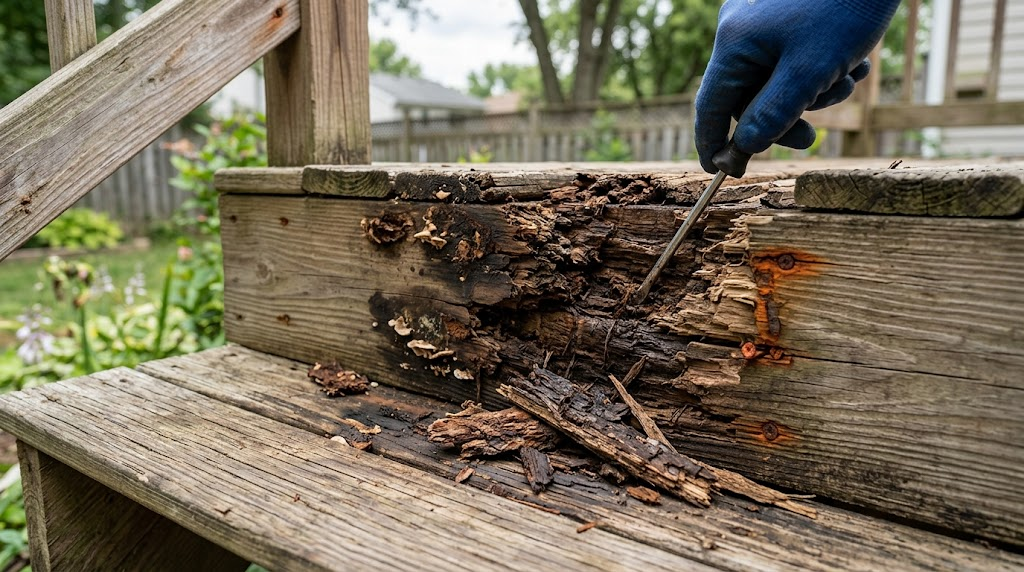
A deck can be one of the most enjoyable parts of a home. It gives you a place to relax, entertain guests, enjoy your morning coffee, or spend time outdoors. But because decks are constantly exposed to rain, humidity, sunlight, and temperature changes, the wood can eventually begin to deteriorate. One of the most common problems is wood rot. If you notice early warning signs and arrange Deck Repair in Greenville before the damage spreads, you may be able to protect more of the structure and avoid a much larger repair later.
Wood rot is more than an appearance problem. In advanced cases, it can weaken boards, joists, posts, railings, and other structural components. A deck that looks perfectly acceptable from a distance may have serious deterioration underneath the surface. Learning what to look for can help you identify trouble early and decide when professional inspection or repair is necessary.
What Causes Wood Rot on a Deck?
Wood rot generally develops when wood remains damp for extended periods and is exposed to conditions that allow fungi to grow. Moisture may come from rain, snow, poor drainage, leaking gutters, standing water, or water trapped between boards.
Wood that is properly maintained and allowed to dry between periods of moisture is less likely to develop serious rot. However, even treated lumber can deteriorate over time, especially when protective coatings wear away or water repeatedly reaches vulnerable areas.
Rot often begins in places that are difficult to see, such as:
- Around fasteners and screw holes
- Where boards touch the ground
- Around posts and support structures
- Beneath planters or outdoor furniture
- Between deck boards
- Near stairs and railings
- Along areas where water collects
Understanding these vulnerable spots makes regular inspections much more useful.
7 Signs of Wood Rot You Shouldn’t Ignore
1. Soft or Spongy Wood
One of the clearest warning signs is wood that feels unusually soft when you press on it. Healthy deck boards should feel solid and firm under normal pressure.
If a board feels spongy, weak, or unusually flexible, moisture may have damaged the wood fibers underneath. Try checking questionable areas carefully with a screwdriver or similar tool. If the wood easily gives way, that is a strong indication that deterioration may be present.
Do not assume that replacing only the visible surface will solve the problem. The supporting joists or framing underneath may also be affected.
2. Crumbling or Flaking Wood
Rotting wood can lose its strength and begin breaking apart. You may notice pieces of wood crumbling when touched or see fibers separating from the surface.
Small cracks are not always evidence of rot because normal weathering can cause wood to split. However, deep cracks combined with softness, discoloration, or crumbling deserve closer attention.
Pay particular attention to areas where water repeatedly accumulates.
3. Dark, Discolored, or Unusual Patches
Changes in color can also signal moisture damage. Rotten wood may develop dark brown, black, gray, or other unusual patches.
Discoloration alone does not always mean that wood is rotten. Outdoor lumber naturally changes appearance as it ages. The concern increases when discoloration appears alongside softness, cracking, a musty smell, or visible fungal growth.
Look closely around joints, fasteners, stairs, and areas that do not receive much sunlight.
4. Boards That Feel Unstable
A deck board that moves excessively when someone walks across it should not be ignored.
Movement can result from loose fasteners, damaged boards, weakened joists, or deterioration around connection points. If the underlying support has begun to rot, simply adding another screw may temporarily hide the symptom without addressing the real problem.
Walk across the deck carefully and notice whether certain areas feel noticeably weaker than others. Uneven movement can help identify locations that require inspection.
5. Loose or Wobbly Railings
Deck railings are important safety features, so loose railing posts should always be taken seriously.
If a railing moves when you apply light pressure, inspect the post and the area where it connects to the deck. Rot may have weakened the wood around the fasteners or affected the supporting structure.
A loose railing is not necessarily caused by wood rot, but it is a warning sign that should be investigated before the deck is used heavily.
6. Fungal Growth or a Musty Odor
Visible fungal growth can indicate that an area is staying damp. You may notice mushrooms, mold-like growth, or a persistent musty smell around certain parts of the deck.
Fungi thrive in moist environments, and prolonged moisture is one of the conditions associated with wood decay. Even if the growth itself seems minor, investigate why the area remains wet.
Cleaning the surface without fixing the moisture problem may only provide a temporary improvement.
7. Peeling Paint or Failing Stain
A deteriorating finish can sometimes provide an early clue that moisture is getting into the wood.
If paint begins peeling repeatedly in one area or stain appears to fail much faster than expected, check the condition of the underlying lumber. Moisture trapped beneath coatings can contribute to deterioration.
This is particularly important around horizontal surfaces, where rainwater can sit longer than it would on vertical boards.
Why Hidden Wood Rot Can Be Especially Dangerous
Visible damage is relatively easy to identify, but hidden rot can be more concerning. A deck’s structural system includes components that are not always visible during everyday use.
Joists, beams, posts, ledger boards, and connections can deteriorate without obvious surface symptoms. If these components become weak, the deck may lose some of its ability to safely support people and furniture.
For this reason, a deck inspection should go beyond looking at the boards you walk on. If you discover significant softness, movement, or structural damage, avoid placing unnecessary weight on the affected area until it has been evaluated.
Where Should You Check for Rot?
A thorough inspection should include both obvious and less visible areas.
Start with the deck boards and look for softness, cracks, discoloration, and excessive movement. Then examine stairs, railings, support posts, and areas near the ground.
Check around fasteners because screws and nails can create small openings where moisture enters the wood. Also inspect underneath the deck if you can do so safely. The underside can reveal problems that are invisible from above.
Pay special attention to locations where water cannot drain easily. Poor drainage can keep wood damp for long periods and create ideal conditions for deterioration.
What Should You Do If You Find Rotten Wood?
The appropriate solution depends on how extensive the damage is.
For isolated surface damage, replacing a damaged board and correcting the source of moisture may be enough. If rot has reached joists, beams, posts, or other structural components, the repair can be considerably more involved.
Avoid simply covering rotten wood with paint, stain, or another finish. A coating may improve the appearance temporarily, but it does not restore the strength of deteriorated lumber.
If you’re unsure how far the damage extends, a deck repair service in Valhalla can inspect the affected areas and determine whether individual boards, structural components, or larger sections need attention.
How to Prevent Wood Rot in the Future
Once damaged wood has been repaired, prevention becomes the next priority.
Keep the deck reasonably clean so leaves, dirt, and debris do not trap moisture against the boards. Make sure water can drain away instead of remaining on the surface. Trim nearby vegetation when necessary to improve airflow and sunlight.
Regularly inspect the deck for damaged boards, loose fasteners, cracks, and areas where water collects. Maintaining the finish can also provide additional protection, although coatings should be applied according to the product’s instructions and the condition of the wood.
Do not ignore small problems simply because they seem cosmetic. A cracked board or loose connection can provide an opportunity for moisture to reach areas that are harder to repair later.
When Is It Time to Call a Professional?
Some homeowners are comfortable replacing individual deck boards, but structural repairs are a different matter.
Consider professional help when you notice widespread softness, severely damaged joists, deteriorating posts, unstable railings, significant movement, or rot near important structural connections. Professional assessment is especially valuable when you cannot determine how far the damage extends.
A qualified professional can help distinguish between normal weathering, surface damage, and structural deterioration. That can prevent you from spending money on unnecessary replacements while also reducing the risk of overlooking a serious problem.
Don’t Wait for Small Problems to Become Major Repairs
Wood rot rarely improves on its own. Once moisture and decay have significantly weakened lumber, delaying repairs can allow the problem to spread to nearby components.
The good news is that early detection can make the situation much easier to manage. A soft spot, loose railing, unusual discoloration, or persistent moisture may seem insignificant at first, but these signs can provide an opportunity to investigate before the damage becomes extensive.
Regular inspections, proper drainage, timely maintenance, and prompt repairs can help keep your deck attractive and structurally sound for years. If you’re concerned about the condition of your deck, JLL Painting can be a helpful resource for addressing deck maintenance and keeping your outdoor wood surfaces looking their best.
Frequently Asked Questions
1. How can I tell if my deck wood is rotten?
Look for soft or spongy boards, crumbling wood, unusual discoloration, excessive movement, fungal growth, and persistent musty odors. Press questionable areas gently with a screwdriver; wood that easily gives way may indicate decay.
2. Can I repair a small area of wood rot myself?
Minor damage limited to an individual, non-structural board may be manageable as a DIY repair if you have the appropriate tools and experience. However, rot affecting joists, beams, posts, stairs, or railings should be professionally evaluated.
3. Does painting over rotten wood fix the problem?
No. Paint or stain can improve the appearance of a deck but cannot restore wood that has already lost its structural strength. Rotten sections generally need to be removed and properly repaired or replaced.
4. How often should I inspect my deck for wood rot?
A basic inspection at least once or twice a year is a good practice, with additional checks after periods of heavy rain or severe weather. Look particularly closely at areas where water collects or where wood contacts the ground.