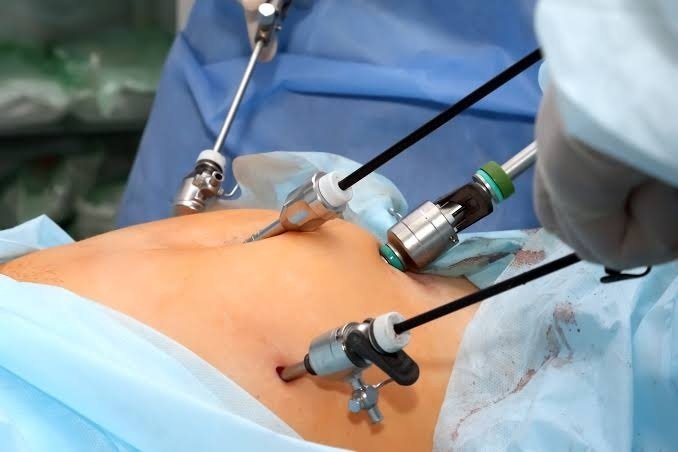
Laparoscopy has transformed modern surgery by allowing surgeons to diagnose and treat many conditions through small incisions rather than large traditional surgical openings. Often described as minimally invasive surgery, laparoscopy uses a thin camera called a laparoscope to provide a clear view inside the abdomen or pelvis. This approach can reduce tissue damage, support faster recovery, and minimize visible scarring in appropriately selected patients. Today, laparoscopic surgery in Islamabad is increasingly considered for several abdominal and pelvic procedures.
What Is Laparoscopy?
Laparoscopy is a surgical technique that allows a surgeon to examine or operate inside the abdominal or pelvic cavity through small incisions. A laparoscope contains a camera and light source that transmit magnified images to a monitor in the operating room.
Instead of making one large incision, the surgeon usually creates several small openings. Through these openings, specialized surgical instruments can be introduced to perform the required procedure.
Laparoscopy can be used for both diagnostic and therapeutic purposes. In some situations, it helps identify the cause of unexplained symptoms. In others, it allows surgeons to treat an already diagnosed condition.
How Does Laparoscopic Surgery Work?
During laparoscopic surgery, the patient is generally placed under general anesthesia. The surgeon makes a small incision, commonly near the belly button, and inserts the laparoscope.
The abdomen may be gently inflated with carbon dioxide gas. This creates additional working space and helps the surgeon see the internal organs more clearly.
Additional small incisions may then be made for surgical instruments. The surgeon watches the procedure on a high-resolution monitor while carefully manipulating the instruments.
Once the treatment is completed, the instruments are removed and the small incisions are closed. Depending on the procedure and the patient’s condition, the patient may be discharged the same day or remain under observation.
The Role of Laparoscopy in Modern Surgery
The importance of laparoscopy extends beyond simply making smaller incisions. It represents a broader shift toward minimally invasive surgical techniques that aim to achieve the necessary surgical outcome while reducing unnecessary tissue trauma.
Modern laparoscopic equipment provides surgeons with magnified and highly detailed views of internal structures. This can help with precise surgical movements and allow certain procedures to be performed through significantly smaller openings than traditional surgery.
Advancements in surgical instruments, high-definition cameras, energy devices, and anesthesia have further expanded the applications of minimally invasive surgery.
Conditions Commonly Treated with Laparoscopy
Laparoscopy can be used for a variety of medical and surgical conditions. The exact procedure depends on the patient’s diagnosis and overall health.
Gallbladder Problems
Laparoscopic gallbladder removal, known as laparoscopic cholecystectomy, is commonly performed for conditions such as symptomatic gallstones and certain gallbladder diseases.
Hernias
Some types of abdominal and groin hernias can be repaired using laparoscopic techniques. The approach selected depends on the type and location of the hernia and the patient’s individual circumstances.
Appendicitis
In appropriate cases, the appendix can be removed using laparoscopic appendectomy. This technique allows the surgeon to access the appendix through small abdominal incisions.
Gynecological Conditions
Laparoscopy can also play an important role in gynecological surgery. Depending on the condition, it may be used to investigate or treat problems such as endometriosis, ovarian cysts, and certain pelvic conditions.
Diagnostic Procedures
When conventional tests do not provide enough information, diagnostic laparoscopy may help surgeons directly examine abdominal or pelvic structures and determine the underlying problem.
Advantages of Laparoscopic Surgery
One of the major reasons laparoscopy has become an important part of modern surgery is its minimally invasive nature.
Smaller incisions generally mean less disruption to surrounding tissues compared with many traditional open procedures. Patients may experience less postoperative discomfort, although pain levels vary according to the procedure and individual factors.
Another potential advantage is a shorter recovery period. Many patients can return to normal daily activities sooner than they might after certain open surgical procedures.
Smaller incisions can also result in less noticeable surgical scars. However, the final appearance of scars depends on factors such as incision placement, healing, genetics, and postoperative care.
Laparoscopic surgery may also reduce the length of hospital stay for certain procedures. Some laparoscopic operations can be performed as day-care procedures, while more complex surgeries may require hospitalization.
Laparoscopy vs. Traditional Open Surgery
The primary difference between laparoscopic and open surgery is the way the surgeon accesses the treatment area.
Open surgery generally requires a larger incision to provide direct access to the affected area. Laparoscopic surgery uses smaller openings and specialized instruments guided by a camera.
This does not mean laparoscopy is automatically better for every patient. Some complex conditions, extensive infections, previous abdominal surgeries, or unexpected findings may make open surgery more appropriate.
The decision should therefore be based on the patient’s condition, medical history, surgical requirements, and the surgeon’s assessment.
Is Laparoscopic Surgery Safe?
Laparoscopic surgery is widely used, but like every surgical procedure, it has potential risks. These can include bleeding, infection, anesthesia-related complications, injury to surrounding organs, blood clots, or complications related to the surgical procedure itself.
There can also be situations where a laparoscopic procedure needs to be converted to open surgery. This may happen if the surgeon determines that continuing laparoscopically would not be safe or effective.
A proper preoperative assessment helps identify potential risks and determine whether laparoscopy is suitable.
Recovery After Laparoscopic Surgery
Recovery varies considerably depending on the type of surgery and the patient’s overall health. Some people experience temporary abdominal discomfort, fatigue, bloating, or shoulder discomfort following certain laparoscopic procedures.
Patients are generally advised to follow their surgeon’s instructions regarding wound care, medication, diet, physical activity, and follow-up appointments.
Light movement may be encouraged after surgery to support general recovery, but strenuous activity and heavy lifting should be avoided until the surgeon confirms that it is safe.
Warning signs such as persistent fever, increasing abdominal pain, excessive bleeding, difficulty breathing, or unusual wound discharge should receive prompt medical attention.
How Technology Is Shaping the Future of Laparoscopy
Technological development continues to influence minimally invasive surgery. High-definition imaging, improved surgical instruments, advanced energy devices, and robotic-assisted systems are expanding the capabilities of minimally invasive techniques.
Three-dimensional visualization and improved camera systems can provide surgeons with enhanced views of anatomical structures. Robotic-assisted surgery may also provide greater instrument articulation and precision in selected procedures.
However, technology is only one part of successful surgery. Appropriate patient selection, surgeon expertise, careful planning, and postoperative care remain essential.
Choosing Laparoscopic Surgery in Islamabad
If you are considering laparoscopic surgery in Islamabad, choosing an appropriately qualified and experienced surgeon should be an important part of your decision. During consultation, discuss your diagnosis, available treatment options, expected recovery, potential risks, and whether minimally invasive surgery is suitable for your specific case.
A surgeon should also explain what will happen before, during, and after the procedure so that you can make an informed decision.
Frequently Asked Questions
Is laparoscopy considered major surgery?
It depends on the procedure being performed. Some laparoscopic operations are relatively straightforward, while others are major surgical procedures despite using small incisions.
How many incisions are used during laparoscopic surgery?
The number varies depending on the procedure. Some operations require only a few small incisions, while more complex procedures may require additional access points.
Does laparoscopic surgery leave scars?
Yes. Laparoscopy involves small incisions, so scars can remain, although they are generally smaller than those associated with many open surgical procedures.
How quickly can I return to normal activities?
Recovery depends on the procedure, individual healing, and the surgeon’s recommendations. Your surgeon can provide a more specific recovery timeline after evaluating your case.
Is laparoscopic surgery suitable for everyone?
No. Laparoscopy is not appropriate for every patient or every condition. A surgeon must assess the patient’s medical history, diagnosis, and surgical requirements before recommending the technique.
Final Thoughts
Laparoscopy has become an important component of modern surgery because it allows many procedures to be performed through smaller incisions while providing surgeons with detailed internal visualization. From gallbladder and hernia procedures to appendectomy and selected gynecological surgeries, its applications continue to expand alongside advances in surgical technology.
If you are exploring minimally invasive treatment options, SKN Cosmetics can provide information about available surgical services and help you understand the next steps through a professional consultation.