Breast Augmentation in Dubai
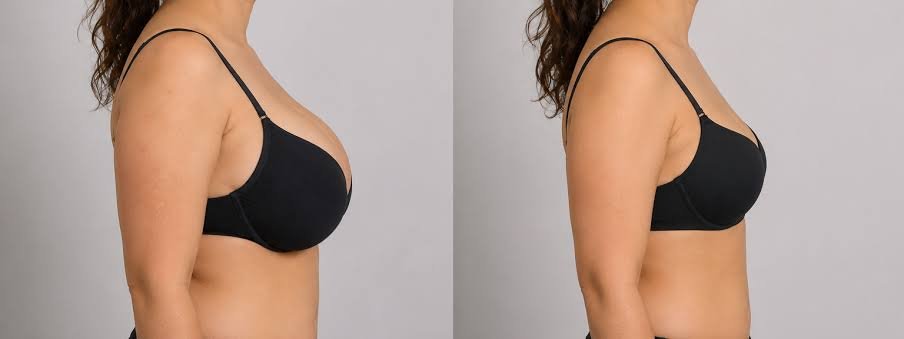
Breast augmentation is a cosmetic surgical procedure designed to increase breast volume and improve breast shape, symmetry, and overall body proportions. For people considering breast augmentation in Dubai, understanding the procedure, available options, recovery process, and potential risks is an important part of making an informed decision.
Breast augmentation can be performed using implants or, in selected patients, fat transfer. The most suitable approach depends on factors such as body structure, existing breast tissue, aesthetic goals, medical history, and the surgeon’s assessment.
What Is Breast Augmentation?
Breast augmentation, also known as augmentation mammoplasty, is performed to enhance the size or shape of the breasts. Some people choose the procedure because they naturally have smaller breasts, while others may want to restore volume lost after pregnancy, breastfeeding, significant weight changes, or aging.
The procedure can also be considered when there is noticeable breast asymmetry. However, breast augmentation is primarily intended to enhance breast volume and contour rather than treat every type of breast concern.
During a consultation, the surgeon evaluates the patient’s anatomy and discusses their expectations. This helps determine whether implants, fat transfer, or another procedure may provide an appropriate result.
Why Do People Consider Breast Augmentation in Dubai?
People choose breast augmentation for different personal reasons. Some want a fuller appearance, while others are interested in improving proportions between the breasts and the rest of the body.
Common reasons include:
- Increasing breast volume
- Restoring volume following pregnancy or breastfeeding
- Addressing changes following significant weight loss
- Improving breast symmetry
- Enhancing overall body proportions
- Replacing or revising previous breast implants
It is important that the decision is based on personal expectations rather than pressure from other people. A realistic understanding of what surgery can and cannot achieve is essential.
Breast Implants vs. Fat Transfer
There are two major approaches to breast augmentation: implants and fat transfer.
Breast Implants
Breast implants are medical devices placed beneath the breast tissue or chest muscle to increase breast volume. Implants are available in different sizes, shapes, and materials.
The choice of implant depends on several factors, including the amount of existing breast tissue, chest anatomy, desired appearance, and surgeon’s recommendations.
Implant placement can also vary. Depending on the individual, an implant may be positioned beneath the breast tissue, partially or completely beneath the chest muscle, or using another appropriate surgical approach.
Fat Transfer Breast Augmentation
Fat transfer uses fat harvested from another part of the patient’s body. The fat is processed and carefully injected into the breasts.
This approach may provide a more subtle increase in volume and can also involve body contouring in the donor area. However, not everyone has sufficient donor fat, and some of the transferred fat may be naturally reabsorbed by the body.
A consultation is necessary to determine whether fat transfer is appropriate.
Choosing the Right Implant
If implants are recommended, patients may have several options to consider. Implant selection is not simply about choosing the largest possible size.
Surgeons typically consider:
- Breast width
- Existing breast tissue
- Chest shape
- Skin elasticity
- Desired projection
- Lifestyle
- Overall body proportions
- Patient expectations
The objective should be a result that complements the individual’s anatomy.
During the consultation, patients can discuss their preferred appearance, including whether they want a subtle, natural-looking enhancement or a more noticeable increase in volume.
How Is Breast Augmentation Performed?
Breast augmentation is generally performed under anesthesia in an appropriately equipped surgical facility.
The surgeon begins by making an incision in a location selected according to the patient’s anatomy and the planned procedure. The incision may be placed in the fold beneath the breast, around the edge of the areola, or in another suitable location.
A pocket is then created for the implant if implants are being used. The implant is carefully positioned, and the incision is closed.
For fat transfer, fat is first collected from an appropriate donor area using liposuction. The harvested fat is processed and then strategically transferred into the breasts.
The exact technique varies according to the patient’s anatomy and treatment plan.
Preparing for Breast Augmentation
Preparation can contribute to a smoother surgical experience and recovery.
Before surgery, patients generally undergo a medical evaluation and discuss their medical history, medications, allergies, previous surgeries, and expectations with their surgeon.
Patients may be advised to:
- Follow pre-operative instructions carefully
- Discuss all medications and supplements
- Avoid smoking or nicotine products as advised
- Arrange transportation after surgery
- Prepare a comfortable recovery area
- Follow instructions regarding eating and drinking before anesthesia
The surgeon may also recommend specific examinations or tests depending on the patient’s age and medical history.
What Is Recovery Like?
Recovery varies between individuals. Some patients can return to light daily activities relatively quickly, while others need more time before resuming their normal routine.
Immediately after surgery, it is common to experience swelling, bruising, tightness, and discomfort around the breasts. These symptoms generally improve gradually.
Patients should follow their surgeon’s instructions regarding wound care, medications, bathing, sleeping positions, physical activity, and support garments.
Strenuous exercise and heavy lifting may need to be avoided temporarily. The surgeon will determine when it is appropriate to gradually resume exercise and other demanding activities.
When Will the Final Results Appear?
The appearance of the breasts can change during the first several weeks and months following surgery.
Swelling gradually decreases, and the breasts may settle into a more natural position as healing progresses. With implants, the final appearance can depend on factors such as implant placement, skin elasticity, existing breast tissue, and individual healing.
Patients should avoid judging their final results too early in the recovery process.
Regular follow-up appointments allow the surgeon to monitor healing and address concerns if they arise.
Potential Benefits of Breast Augmentation
Breast augmentation can provide several potential aesthetic benefits when appropriately planned.
These may include increased breast volume, improved body proportions, enhanced symmetry, and restoration of volume lost after pregnancy or weight changes.
Some patients may also experience improved confidence in certain clothing styles or personal situations.
However, cosmetic surgery cannot guarantee improved self-esteem or satisfaction in every individual. Having realistic expectations is an important part of the decision-making process.
Risks and Possible Complications
Like any surgical procedure, breast augmentation carries potential risks. Patients should understand these risks before deciding to proceed.
Potential complications may include infection, bleeding, changes in sensation, scarring, asymmetry, pain, changes in breast shape, and complications associated with anesthesia.
For patients receiving implants, implant-specific complications can also occur. These may include capsular contracture, implant displacement, rupture, or the need for revision surgery.
Breast implants are not necessarily lifetime devices, and some patients may require additional procedures in the future.
A qualified plastic surgeon should explain the potential risks and benefits based on the individual’s circumstances.
Breast Augmentation and Breastfeeding
Patients who are planning future pregnancies should discuss this with their surgeon before undergoing breast augmentation.
Breast augmentation does not necessarily prevent breastfeeding, but the surgical technique and individual anatomy can influence breastfeeding ability. Pregnancy and breastfeeding can also change breast size and shape, potentially affecting the long-term cosmetic result.
Understanding these considerations before surgery can help patients plan appropriately.
Choosing a Qualified Plastic Surgeon in Dubai
Choosing the right surgeon is one of the most important decisions when considering breast augmentation in Dubai.
Patients should verify that their surgeon is appropriately qualified and licensed to perform cosmetic breast surgery. Experience with breast augmentation and a clear understanding of different surgical techniques are also important.
During consultation, patients should feel comfortable asking questions about:
- The recommended surgical technique
- Implant options
- Implant placement
- Expected results
- Recovery time
- Potential complications
- Scarring
- Follow-up care
- Possible future revision surgery
Patients should also make sure that surgery is performed in a properly equipped and accredited medical facility.
Questions to Ask During Your Consultation
A consultation is an opportunity to understand whether breast augmentation is suitable for you.
Useful questions include:
- Which augmentation method is most suitable for me?
- What implant size and shape would complement my anatomy?
- Where will the incision be placed?
- Where will the implant be positioned?
- What type of scarring should I expect?
- How long will recovery take?
- When can I return to work and exercise?
- What complications should I know about?
- How will pregnancy or weight changes affect the results?
- Will I need future surgery?
Taking time to discuss these questions can help establish realistic expectations.
Maintaining Results After Surgery
Breast augmentation does not stop the natural aging process. Changes in body weight, pregnancy, hormonal changes, aging, and skin elasticity can affect breast appearance over time.
Maintaining a stable, healthy weight and following general lifestyle recommendations can support overall wellbeing. Patients with implants should also follow their surgeon’s recommendations regarding long-term monitoring and follow-up.
Any new breast symptoms, significant changes, persistent pain, or concerns about an implant should be discussed with an appropriate medical professional.
Conclusion
Breast augmentation in Dubai can be an effective option for individuals seeking increased breast volume, improved symmetry, or changes in breast shape. The procedure can involve implants or fat transfer, with the most suitable approach depending on individual anatomy, goals, and medical considerations.
A successful experience begins with an informed consultation, realistic expectations, careful surgical planning, and appropriate post-operative care. Patients should choose a qualified plastic surgeon, understand the potential risks, and take time to consider how factors such as pregnancy, weight changes, aging, and future revision surgery may affect their results.
If you are considering breast augmentation, a personalized consultation with a qualified specialist can help you understand your options and determine whether the procedure is appropriate for your goals.