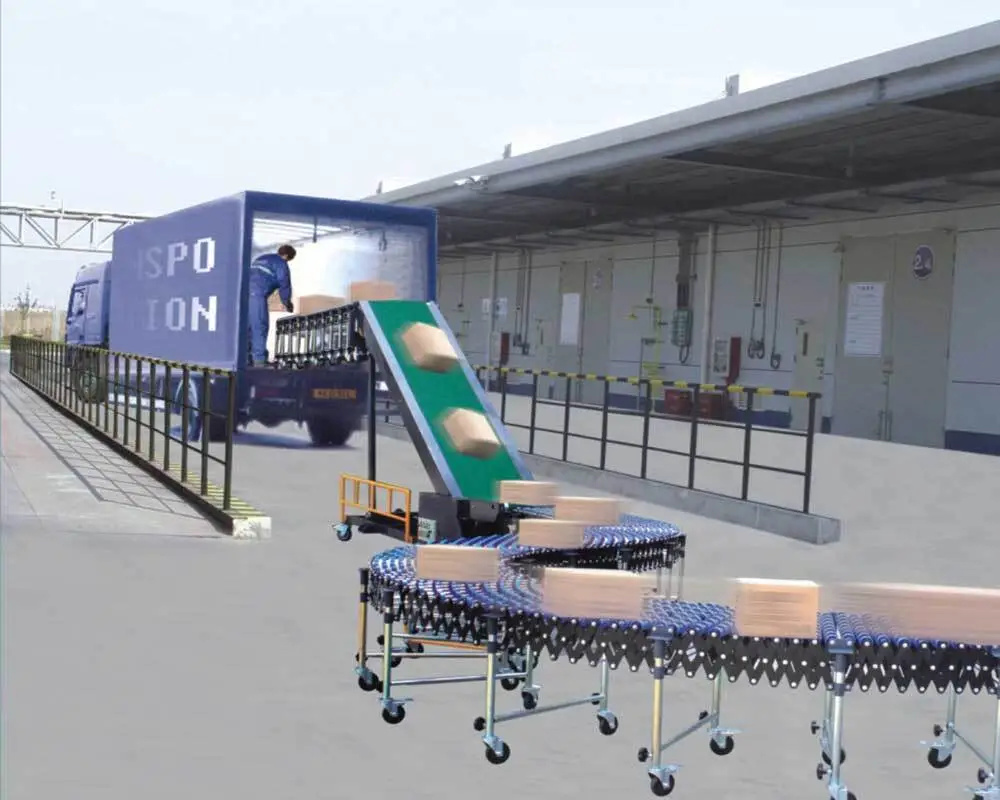
Modern warehouses increasingly rely on interconnected automation systems, from automated storage and retrieval systems to sorting equipment and warehouse management software that coordinates the entire operation. Adding a truck loading conveyor into this existing ecosystem raises legitimate questions about compatibility, integration complexity, and whether new equipment will genuinely work smoothly alongside systems already in place. Understanding how these systems can integrate effectively helps facilities make smarter decisions about expanding their automation footprint without creating new operational headaches.
The Growing Trend Toward End-to-End Automation
Warehouses have steadily moved away from isolated automation “islands” toward more connected systems where goods move through the facility with minimal manual intervention from the moment they arrive until they leave on an outbound truck. This trend reflects a broader recognition that automating just one stage of the process, while leaving others manual, often creates new bottlenecks rather than solving the underlying efficiency problem. Loading conveyors represent a natural extension of this end-to-end automation philosophy, connecting the final internal step directly to outbound transportation.
Compatibility With Warehouse Management Systems
Many modern loading conveyor systems can integrate with existing warehouse management software, allowing loading operations to be tracked, scheduled, and coordinated alongside other automated processes happening throughout the facility. This connectivity means dock managers can monitor loading progress in real time, coordinate truck arrivals more precisely, and identify bottlenecks as they happen rather than discovering problems after the fact. Choosing equipment specifically designed with this kind of integration capability in mind pays dividends as a facility’s automation needs continue to grow over time.
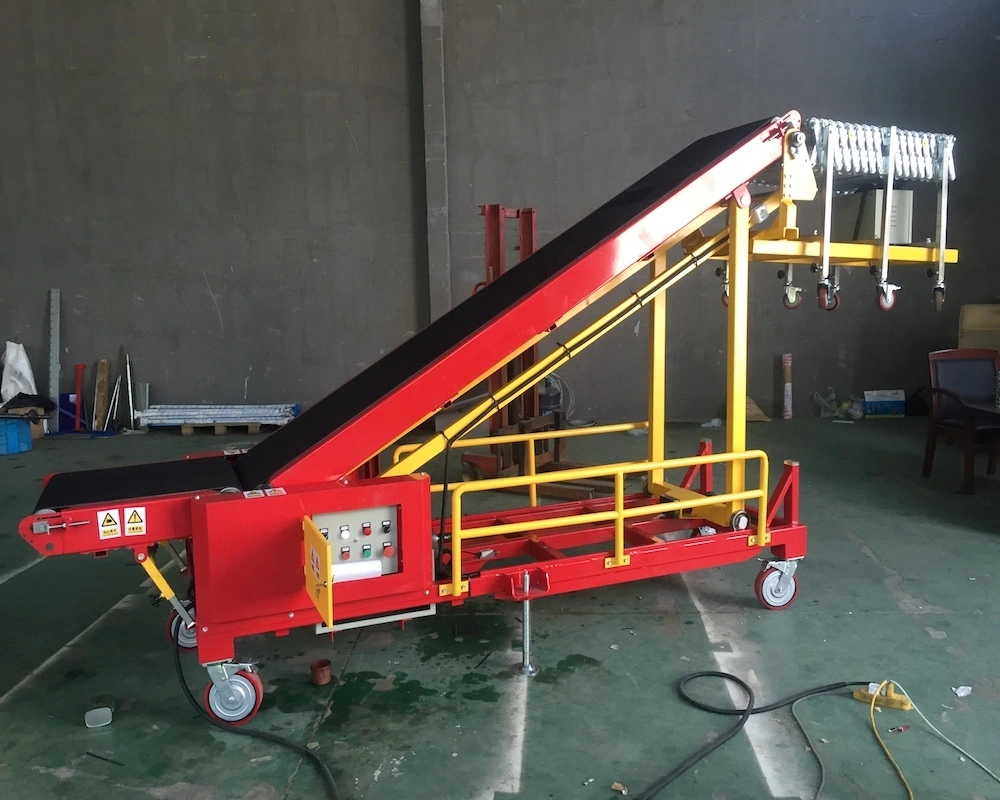
Physical Integration With Existing Dock Infrastructure
Beyond software integration, physical compatibility with existing dock infrastructure matters just as much, including dock height, door width, and available floor space for equipment installation and daily operation. This is where a truck loading conveyor system’s flexibility becomes particularly valuable, since adjustable height and portable configurations can adapt to existing dock layouts without requiring expensive structural modifications. Facilities considering integration should conduct a thorough site assessment before finalizing equipment specifications, ensuring physical compatibility alongside any software integration requirements.
Coordinating With Upstream Automation Processes
Loading conveyors work best when they’re properly synchronized with upstream processes like picking, packing, and staging, ensuring a steady flow of goods arrives at the loading point without creating either bottlenecks or idle gaps in the conveyor’s operation. Poor coordination between these stages can undermine much of the efficiency gain that loading automation is meant to provide in the first place, even with excellent equipment installed at the dock. Working with integration specialists who understand the full warehouse workflow, not just the loading stage in isolation, helps avoid this common pitfall.
Planning for Future Automation Expansion
When selecting a loading conveyor system, it’s worth considering not just current automation needs but also how the equipment might need to integrate with future upgrades as the facility continues to evolve over time. Choosing systems built on flexible, widely compatible communication standards makes future integration considerably easier than committing to proprietary technology that limits options down the road. This forward-thinking approach to equipment selection helps ensure today’s investment continues delivering value as the broader warehouse automation landscape keeps advancing.