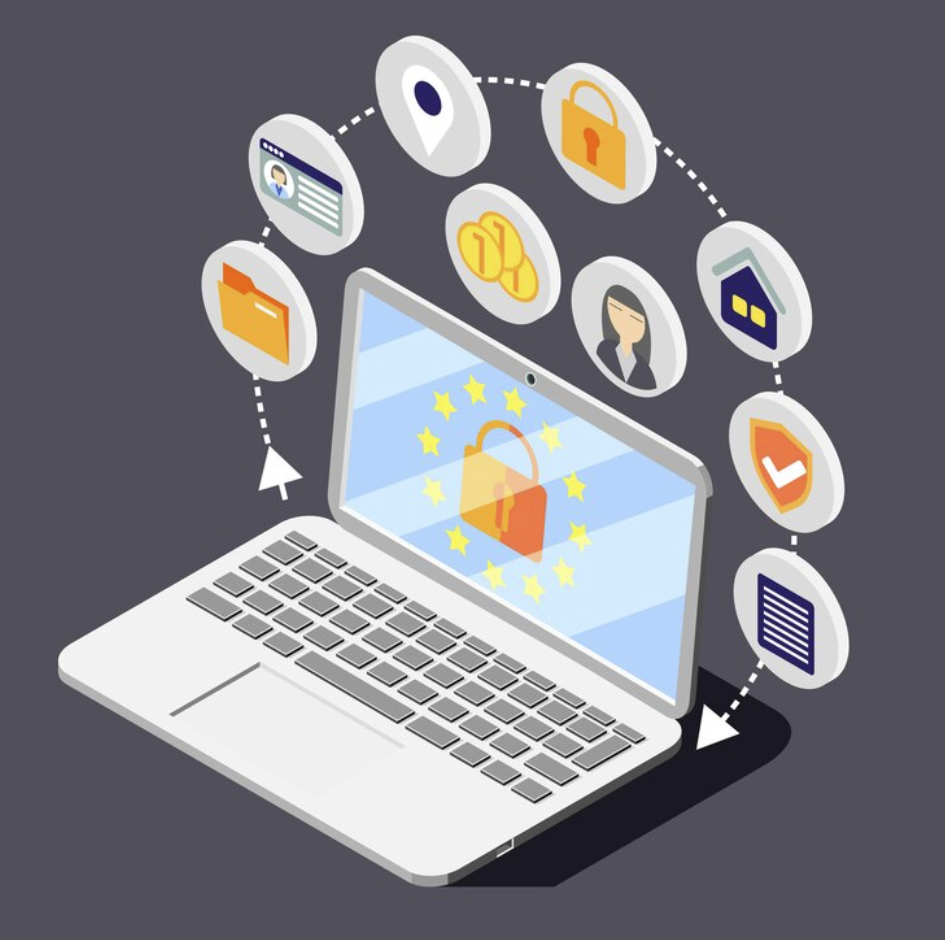
Digital services have become part of everyday life in the Philippines. People use online banking, e-commerce platforms, government portals, and social media accounts that require personal information. As more data moves online, organizations face greater responsibility for protecting it. A data protection officer in the Philippines helps organizations manage privacy obligations and safeguard personal information.
What Is a Data Protection Officer in the Philippines?
A data protection officer, commonly called a DPO, is responsible for overseeing an organization’s privacy and data protection activities. Under the Data Privacy Act of 2012, organizations that process personal information may need to designate a DPO to monitor compliance with privacy requirements and coordinate data protection efforts.
Core Responsibilities of a DPO
A DPO monitors compliance with data privacy regulations, reviews data processing activities, and supports the implementation of privacy policies. The role also involves assisting with incident response, handling privacy-related concerns, and serving as a point of contact for regulators and data subjects. These responsibilities help organizations manage privacy risks more effectively.
Why Organizations Appoint DPOs
Organizations collect employee records, customer information, financial data, and other sensitive details. A DPO helps maintain proper oversight of these activities and promotes accountability across departments. The position supports compliance efforts while helping organizations establish structured approaches to data management and information security.
Why Digital Identity Protection Matters
A digital identity consists of the information associated with an individual online. This can include names, email addresses, phone numbers, account credentials, government-issued identifiers, and transaction records. Protecting this information is important because unauthorized access can lead to fraud, identity theft, and privacy violations.
Risks Associated With Poor Data Protection
Cybercriminals often target personal information because it can be used for financial fraud or unauthorized account access. Data breaches may expose sensitive records, while weak security practices can create opportunities for misuse. When personal information falls into the wrong hands, individuals may face financial and reputational consequences.
The Impact on Organizations
Organizations that fail to protect personal information can experience operational disruptions, legal concerns, and loss of public trust. Privacy incidents may require investigations, reporting procedures, and corrective measures. Strong privacy governance helps reduce these risks and supports responsible handling of personal data.
How a DPO Supports Safe Digital Identity Practices
A DPO contributes to data protection by promoting policies, procedures, and security measures that help reduce privacy risks. The role connects legal, operational, and technical considerations to create a coordinated approach to data protection.
Privacy Awareness and Training
Employee awareness is a major component of privacy protection. DPOs often support training programs that teach staff how to recognize security threats, handle personal information responsibly, and follow internal privacy policies. Regular education helps reduce mistakes that could expose sensitive data.
Data Breach Management
When a security incident occurs, organizations need a clear response process. A DPO may assist with reporting requirements, incident assessments, and documentation. Effective breach management helps organizations respond quickly while reducing the impact of unauthorized access or data exposure.
Practical Digital Identity Safety Tips
Protecting digital identity is not solely the responsibility of organizations. Individuals also play an important role in reducing privacy risks. Small habits can significantly improve personal data security across online platforms and services.
Use Strong Authentication Methods
Passwords remain one of the most common forms of account protection. Creating unique passwords for different accounts reduces the risk of widespread compromise. Multi-factor authentication adds another layer of security by requiring additional verification before account access is granted.
Limit Information Sharing
Many online services request personal information that may not always be necessary. Reviewing privacy settings and sharing only relevant details can reduce exposure. Being cautious about public posts, online forms, and unsolicited requests helps protect sensitive information from misuse.
Monitor Accounts Regularly
Regular account reviews can help identify unusual activity before it becomes a larger problem. Monitoring financial accounts, email services, and online profiles makes it easier to detect unauthorized access. Early detection often reduces the potential impact of privacy incidents.
Key Takeaway
The role of a data protection officer in the Philippines is closely connected to responsible privacy management and digital identity protection. DPOs help organizations comply with data privacy requirements, improve security practices, and respond to privacy-related concerns.
At the same time, individuals can strengthen their own protection through better password habits, careful information sharing, and regular account monitoring. Together, organizational safeguards and personal responsibility contribute to a safer digital environment where personal information receives appropriate protection.