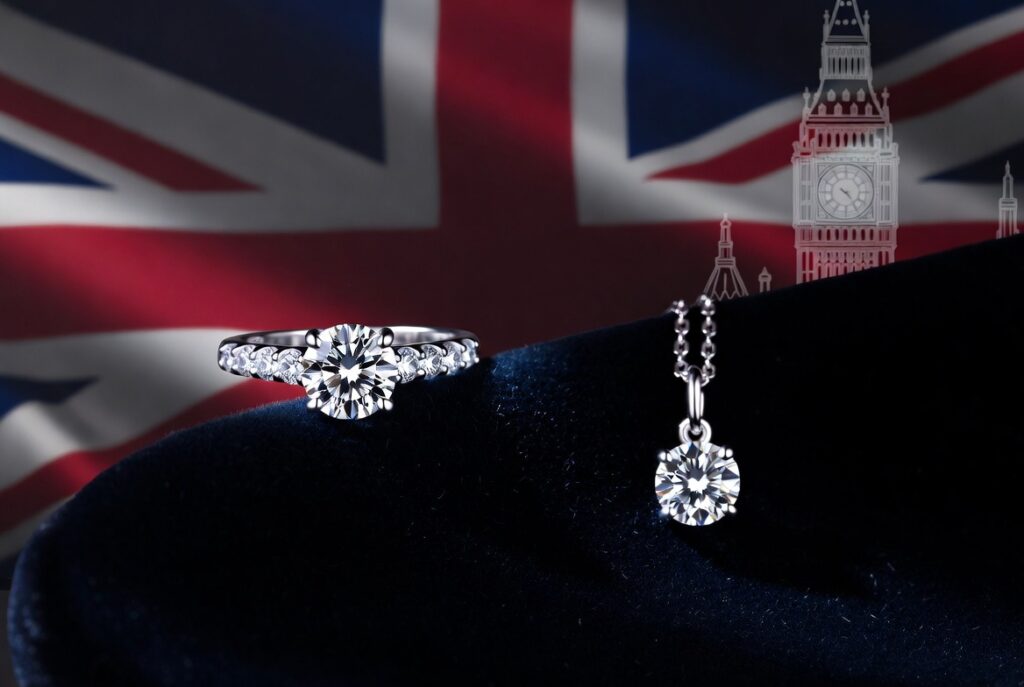
A quiet revolution is taking place in the world of fine jewellery, led not by century-old mining conglomerates or heritage auction houses. It’s being driven by a new generation of UK buyers who want their jewellery to be smarter, more considered, and, honestly, a whole lot more affordable.
Welcome to the era of lab grown diamonds.
If you’ve been seeing the term pop up everywhere, like on Pinterest boards, in bridal Facebook groups, and whispered between friends at engagement parties, then you’re not imagining it. Lab grown diamond jewellery such as lab grown diamond bracelets or rings has crossed the threshold from “niche alternative” to a genuine mainstream trend, and in the UK especially, they’re reshaping how people think about buying conventional diamonds altogether.
What Exactly Is a Lab Grown Diamond?
Let’s get the definition out of the way early, because there’s still a surprising amount of confusion around it, even among people who’ve been researching for months.
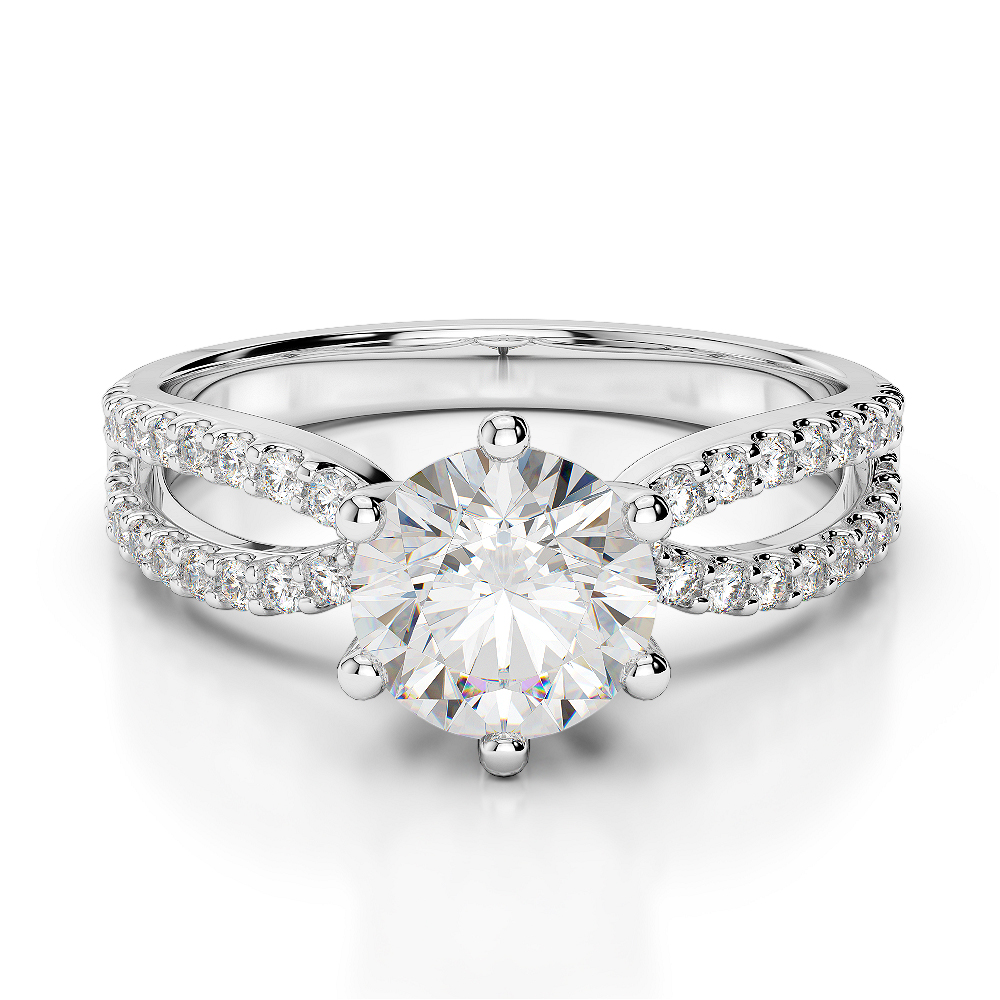
A lab grown diamond is a real diamond and nothing like a simulant like cubic zirconia or moissanite. It has the same chemical composition of pure carbon, the same crystal structure, the same optical properties, and the same hardness (10 on the Mohs scale) as a diamond pulled from the earth. The only difference is where it came from.
Natural diamonds form over billions of years under intense heat and pressure deep within the earth’s mantle. Lab grown diamonds replicate that exact process in a controlled environment in a matter of weeks. Two methods are used: High Pressure High Temperature (HPHT) and Chemical Vapour Deposition (CVD). Both produce diamonds that are, to every intent and purpose, identical to mined stones.
Even a trained gemmologist cannot tell the difference with the naked eye. The only way to distinguish them is with specialist equipment that measures trace element profiles, and even then, it tells you origin, not quality.
Are Lab Grown Diamonds Real Diamonds?
Yes, obviously. The lab grown diamonds are not imitations, enhancements, or synthetic lookalikes. They are diamonds, grown in a laboratory rather than extracted from the earth.
How Long Does It Take to Grow a Lab Diamond?
Depending on the method used, a lab grown diamond can be produced in anywhere from two to ten weeks. CVD typically takes two to four weeks, while HPHT can be slightly faster for smaller stones.
The Trend That’s Taking Over UK Jewellery Boxes
Here’s what’s intriguing about the UK market specifically. British buyers have always had a reputation for being discerning. They research and then they compare. They don’t just follow trends blindly and adopt them when they actually make sense.
And lab grown diamonds? They make a lot of sense right now.
The cost of living has reshaped how people think about big-ticket purchases. A couple saving for a wedding, a house, and a honeymoon isn’t going to spend five months’ salary on a ring without asking some very serious questions about value. When they discover that a lab grown diamond engagement ring of equivalent size and quality can cost 50–70% less than its mined counterpart, the conversation changes rather quickly.
But it’s not just about price, and this is what makes the trend genuinely fascinating to watch. The story of a lab grown diamond increasingly captivates buyers. The idea is that your ring didn’t require large-scale land disruption, that you can trace where it came from, and that the value is in the stone and the craftsmanship, not in rarity artificially propped up by market forces.
Why Are UK Buyers Choosing Lab Grown Diamonds in 2026?
A few reasons stack up neatly together. First, the price difference is simply too significant to ignore, especially for buyers navigating an expensive housing market and rising wedding costs simultaneously. Second, awareness has grown enormously; buyers today are far more informed than they were five years ago and are actively seeking lab grown options rather than stumbling upon them. Third, and perhaps most importantly, the quality is genuinely there. This isn’t a category where you’re trading down. You’re trading sideways – same stone, smarter decision.
Lab Grown Diamond Engagement Rings: The New Standard for Modern Couples
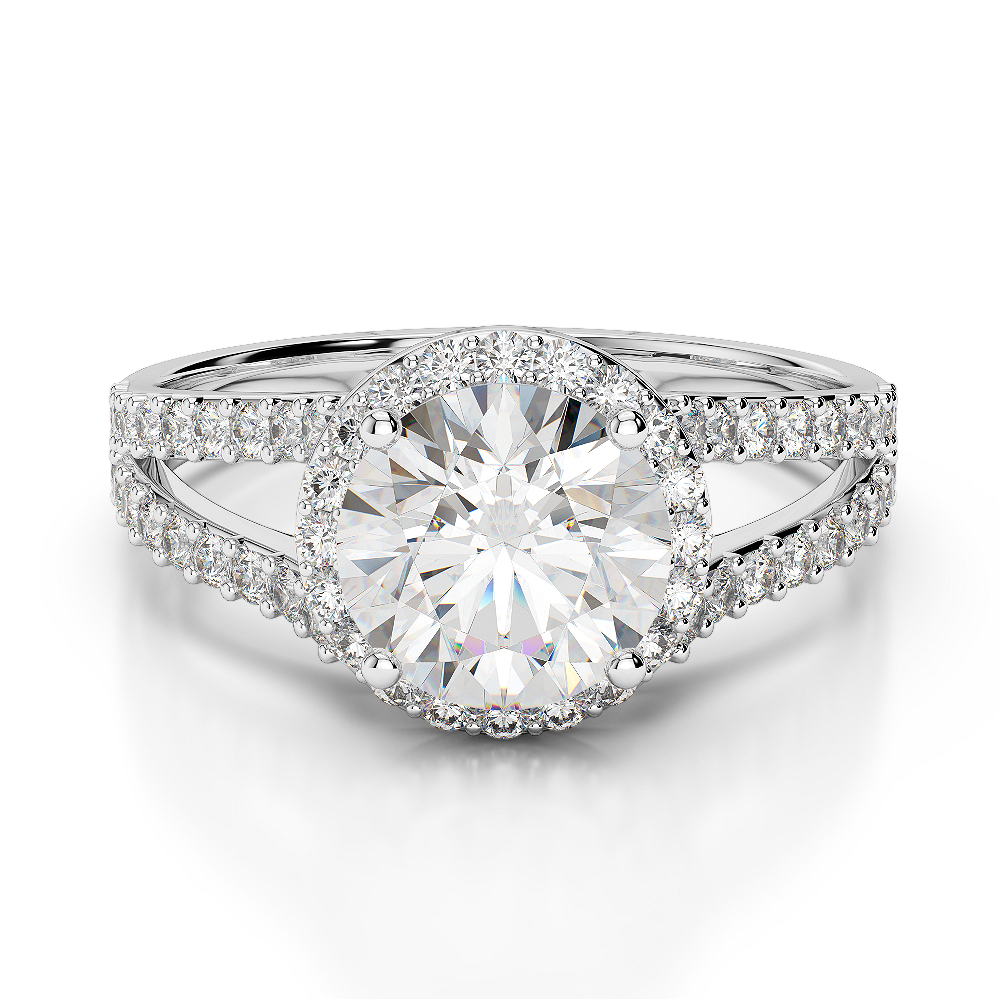
Lab grown diamond engagement rings are at the forefront of this trend.
The engagement ring market in the UK has always been enormous, but it’s evolving rapidly. Centre stones are getting bigger, cuts are getting bolder, and couples are realising that with lab grown diamonds, they can afford the ring they actually want rather than a compromised version of it.
The Rise of the Emerald Cut Lab Diamond Ring
The emerald cut lab diamond ring is perhaps the style most synonymous with this cultural shift in fine jewellery. The emerald cut features long, architectural lines and rectangular step facets that create a mirror-like effect, which contrasts with the sparkle-heavy brilliance of a round cut, making it feel unmistakably modern. It’s the choice of someone who knows exactly what they like and isn’t swayed by convention.
Emerald cuts are also brilliantly suited to lab grown diamonds for a very practical reason: the cut’s open table means you can actually see into the stone. Clarity matters enormously here, and because lab grown diamonds can be produced with consistently high clarity grades at a fraction of the cost of equivalent mined stones, buyers can now access that VS1 or VVS2 clarity that makes an emerald cut truly sing without restructuring their entire financial life to achieve it.
Summing Up
To sum up, the past decade has witnessed several changes, one of which is the emergence of the lab grown diamond trend. These have become so popular and sought after that people have started considering them the most loved options. When planning to buy lab grown diamond jewellery, all you need to do is get in touch with a good and well-known seller in the UK, and you will have a fair deal while purchasing.