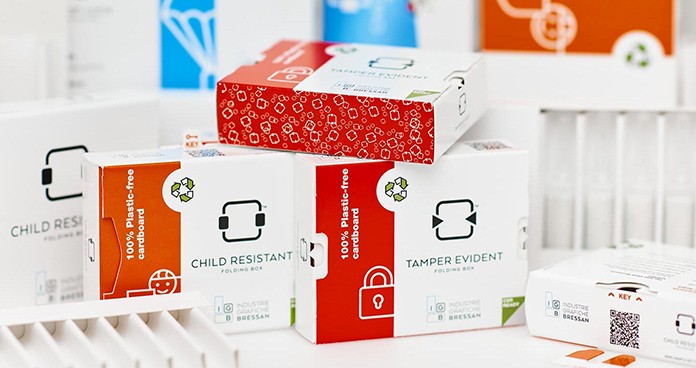
A few years ago, child-resistant cannabis packaging had a very specific look. Most boxes were plain white, oversized, and looked more like medicine containers than premium retail packaging. Safety rules were the main focus, so brands often had to sacrifice appearance and creativity just to stay compliant.
Back then, the child-resistant mechanism itself was usually the first thing people noticed. Big locking tabs, stiff plastic parts, or bulky closures made the packaging feel awkward and overly clinical. For many cannabis companies trying to build a modern brand image, that was frustrating.
Today, things look very different.
Packaging technology has improved quickly, and manufacturers can now create child-resistant boxes that feel sleek, stylish, and high-end without losing safety features. In many cases, you would not even realize a package is child-resistant until you actually try to open it.
That shift matters because cannabis packaging is no longer only about compliance. It is also about customer experience, brand identity, and standing out in a crowded market.
Why Packaging Design Matters More Now
As the cannabis industry grows, customers have become more selective. They pay attention to packaging the same way they would with skincare, luxury chocolates, or premium cosmetics.
A package is often the first thing someone sees before using the product. If it feels cheap or difficult to open, that experience can affect how the brand is perceived overall.
This is why many cannabis companies are moving toward packaging that combines safety with cleaner design. They want products to feel professional and premium while still meeting legal standards.
Modern child-resistant packaging makes this possible by hiding the safety mechanism inside the structure of the box instead of placing it directly on the surface.
How Modern Child-Resistant Mechanisms Work
One of the most common systems used today is called a two-point press-and-slide mechanism.
The concept is fairly simple. To open the box, the user must press two hidden points on the sides at the same time while sliding the tray or front panel outward. Adults can usually figure this out quickly, but young children often cannot complete both actions together.
This design helps manufacturers meet child-resistant standards established by the Consumer Product Safety Commission, also known as the CPSC.
During official testing, children are given a limited amount of time to try opening the package. If too many children succeed, the packaging fails certification. The goal is not to make packaging impossible to open forever, but to make it difficult enough to reduce accidental access by children.
What makes modern CR packaging impressive is how subtle these mechanisms have become. The recessed press points are often blended directly into the artwork or structure of the box. Sometimes they are hidden inside a logo design. Other times, they appear as part of a decorative pattern or debossed detail.
From the outside, the box can still look clean, smooth, and elegant.
Child-Resistant Packaging No Longer Looks Industrial
Older cannabis packaging often had a medical appearance because manufacturers focused heavily on functionality. There was little room for branding or creative presentation.
Now, brands can customize almost every part of a compliant CR box.
This includes premium finishes such as:
- Soft-touch matte coatings
- Spot UV highlights
- Embossed logos
- Debossed textures
- Foil stamping
- Custom inserts
- Interior printing
Some brands even add QR codes inside the box, giving customers quick access to product information, lab reports, or educational content.
The inside of the packaging has become just as important as the outside. Many companies now use contrasting interior colors or custom-cut inserts to create a more polished unboxing experience.
That may sound like a small detail, but it makes a difference. Packaging today is part of the product experience itself, not just a container.
Suppliers like New York Packaging Hub now produce child-resistant boxes that combine premium presentation with legal compliance. This allows cannabis brands to create packaging that feels modern instead of purely functional.
Safety and Compliance Still Come First
Even though packaging has become more stylish, safety requirements have not disappeared.
Cannabis companies still need to make sure their packaging meets official child-resistant standards. One of the most important things to request from a packaging supplier is a certificate of compliance.
This document confirms that the packaging has been tested according to 16 CFR Part 1700 standards through a laboratory accredited by the CPSC.
Without proper testing documentation, businesses may run into regulatory issues later. Some states have very strict packaging laws, and using non-compliant packaging can create legal or financial problems.
It is also important to understand that child-resistant does not mean child-proof. No package can guarantee complete protection. The purpose is to make access difficult enough that most young children cannot open it within the testing period.
That distinction matters because some companies advertise packaging in misleading ways. Reliable suppliers are usually transparent about what their packaging can and cannot do.
The Future of Cannabis Packaging
The cannabis industry is moving toward packaging that feels smarter and more refined. Customers want products that are safe, easy to use, and visually appealing at the same time.
As manufacturing methods continue improving, child-resistant packaging will likely become even more discreet. We are already seeing slimmer designs, more sustainable materials, and mechanisms that blend naturally into premium retail packaging.
At the same time, brands still need to balance design with practicality. A package may look beautiful, but it also needs to protect the product, meet legal requirements, and remain easy for adults to open.
That balance is what defines modern child-resistant packaging today. It is no longer about choosing between safety and appearance. With the right design and manufacturing approach, brands can finally have both.