The Unsung Precision Tool: Understanding the Role and Evolution of the Fuel Nozzle in Modern Energy Systems
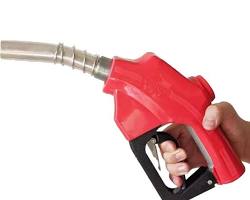
fuel nozzle
A fuel nozzle may look like a simple piece of hardware at the end of a pump or inside an engine system, but it is one of the most critical components in fuel delivery technology. Whether in aviation, automotive systems, industrial burners, or agricultural machinery, the fuel nozzle determines how efficiently fuel is delivered, atomized, and ultimately burned. Its performance directly affects efficiency, emissions, safety, and operational cost. Despite its small size, the fuel nozzle plays a disproportionately large role in modern energy and combustion systems.
What Is a Fuel Nozzle?
A fuel nozzle is a precision device designed to control the direction, flow rate, and atomization of fuel into a combustion chamber. Its primary function is to convert liquid fuel into a fine spray or mist, ensuring optimal mixing with air for efficient combustion. Without proper atomization, fuel burns inefficiently, leading to higher emissions, wasted energy, and potential mechanical issues.
Fuel nozzles are used in a wide range of applications, including internal combustion engines, gas turbines, boilers, furnaces, and aircraft engines. Each application requires a specialized nozzle design tailored to fuel type, pressure conditions, and combustion requirements.
How a Fuel Nozzle Works
The operation of a fuel nozzle revolves around controlled fluid dynamics. Fuel is delivered under pressure to the nozzle, where it passes through a small orifice or series of engineered passages. As it exits, the sudden pressure drop causes the fuel to break apart into fine droplets.
This atomization process is essential. Smaller droplets have a larger surface area relative to volume, allowing them to mix more thoroughly with oxygen. This improves combustion efficiency and reduces unburned hydrocarbons.
Many modern fuel nozzles also incorporate swirl mechanisms or air-assist systems to further enhance spray patterns. These systems ensure that fuel is distributed evenly within the combustion chamber, reducing hotspots and improving energy output.
Types of Fuel Nozzles
Fuel nozzles come in several designs depending on their application:
1. Pressure Nozzles
These rely purely on fuel pressure to atomize liquid fuel. They are commonly used in oil burners and industrial furnaces.
2. Air-Assist Nozzles
These use compressed air to help break up fuel into finer droplets. They are often found in systems where precise combustion control is required.
3. Rotary Atomizer Nozzles
Instead of relying solely on pressure, these nozzles use a spinning cup or disc to fling fuel outward, creating a uniform spray. They are widely used in large industrial burners.
4. Fuel Injectors (Automotive Nozzles)
In vehicles, fuel injectors act as highly advanced fuel nozzles controlled electronically. They precisely time and meter fuel delivery into the engine cylinders.
5. Aviation Fuel Nozzles
Aircraft engines use specialized nozzles designed to withstand extreme temperatures and pressures while ensuring consistent combustion at varying altitudes.
Importance of Atomization
The efficiency of any combustion system largely depends on how well fuel is atomized. Poor atomization results in incomplete combustion, which leads to carbon deposits, reduced engine performance, and increased fuel consumption.
A high-quality fuel nozzle ensures:
- Better fuel-air mixing
- Improved combustion efficiency
- Reduced emissions
- Lower fuel consumption
- Increased equipment lifespan
In modern environmental standards, especially in transportation and industrial sectors, fuel nozzle performance is directly linked to regulatory compliance.
Fuel Nozzle Materials and Engineering
Fuel nozzles must withstand extreme conditions such as high pressure, heat, and corrosive fuel properties. As a result, they are typically made from durable materials such as stainless steel, brass, ceramic composites, or specialized alloys.
Precision engineering is crucial. Even microscopic imperfections in the nozzle orifice can significantly alter spray patterns. Advanced manufacturing techniques like laser drilling, CNC machining, and micro-fabrication are often used to achieve the required precision.
In high-performance applications such as aerospace engines, tolerances are measured in microns. This level of precision ensures consistent combustion under all operating conditions.
Common Problems with Fuel Nozzles
Despite their durability, fuel nozzles can develop issues over time due to wear, contamination, or poor fuel quality. Some common problems include:
- Clogging: Deposits from dirty fuel can block nozzle openings.
- Erosion: High-pressure fuel flow gradually wears down internal surfaces.
- Dribbling: Improper shutoff causes fuel to leak instead of atomize.
- Poor spray pattern: Damaged nozzles may produce uneven fuel distribution.
These issues can lead to inefficient combustion, engine knocking, increased emissions, and even mechanical failure if not addressed.
Regular maintenance and fuel filtration are essential to prolong nozzle life and maintain performance.
Fuel Nozzles in Automotive Systems
In modern vehicles, fuel nozzles are integrated into electronic fuel injection systems. These systems replaced older carburetor-based designs because they offer far superior efficiency and control.
Electronic fuel injectors precisely regulate the amount of fuel entering the combustion chamber based on real-time data from engine sensors. This allows engines to adapt to driving conditions, improving fuel economy and reducing emissions.
Direct injection systems, in particular, place fuel nozzles directly inside the combustion chamber, enabling extremely fine control over combustion timing and intensity.
Industrial and Environmental Impact
Fuel nozzles play a significant role in reducing industrial pollution. By ensuring complete combustion, they minimize harmful emissions such as carbon monoxide, nitrogen oxides, and particulate matter.
In industries like power generation and manufacturing, even small improvements in nozzle efficiency can translate into significant reductions in fuel consumption and environmental impact.
Governments and environmental agencies increasingly emphasize the importance of efficient fuel delivery systems as part of broader sustainability goals.
Innovations in Fuel Nozzle Technology
Recent advancements in fuel nozzle design focus on improving efficiency, durability, and environmental performance. Some notable innovations include:
- Smart injectors: Electronically controlled nozzles that adjust spray patterns in real time
- Multi-hole designs: Nozzles with multiple tiny orifices for better atomization
- Ceramic coatings: Improve heat resistance and reduce wear
- Adaptive spray systems: Adjust fuel distribution based on operating conditions
- Low-emission combustion nozzles: Designed specifically to reduce pollutants
These innovations are particularly important as industries transition toward cleaner energy systems.
The Future of Fuel Nozzles
As energy systems evolve, fuel nozzles will continue to play a vital role. Even with the rise of electric vehicles and renewable energy, combustion-based systems remain essential in aviation, shipping, heavy industry, and backup power generation.
Future developments are expected to focus on hybrid fuel systems, hydrogen-compatible nozzles, and ultra-low emission technologies. Hydrogen combustion, in particular, presents new engineering challenges due to its different combustion properties compared to traditional fuels.
Conclusion
The fuel nozzle may seem like a small and simple component, but it is central to the efficiency and performance of countless machines and systems. From vehicles and aircraft to industrial furnaces and power plants, it ensures that fuel is delivered and burned in the most effective way possible.
As technology advances and environmental standards become stricter, the role of the fuel nozzle will only grow in importance. Its evolution reflects a broader trend in engineering: achieving more with less—less fuel, less waste, and fewer emissions—through smarter and more precise design.