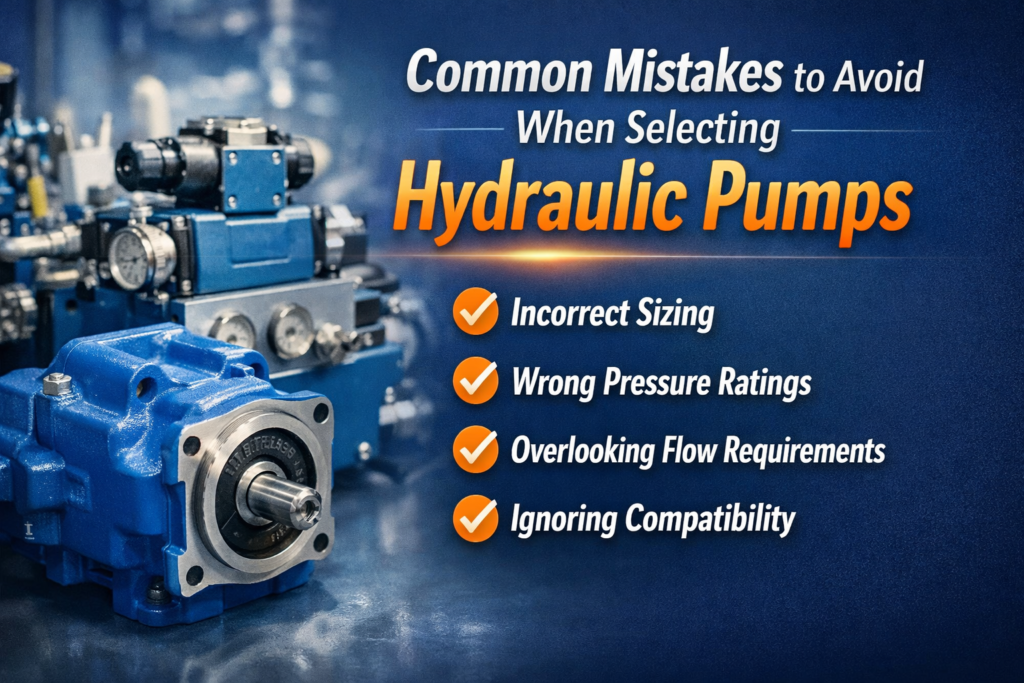
Hydraulic pumps are the backbone of countless industrial, construction, and manufacturing systems. They convert mechanical energy into hydraulic energy, enabling machinery to perform heavy-duty tasks efficiently. However, selecting the right hydraulic pump is not always straightforward. A wrong choice can lead to performance issues, increased maintenance costs, and even equipment failure. Understanding the common mistakes made during pump selection can help businesses make informed decisions and ensure long-term operational efficiency.
NOTE :- Industrial operations were enhanced by choosing a dependable Rexroth Pumps and Valves supplier in bahrain. Superior engineering standards were maintained to meet demanding applications. Customers received consistent performance and durability. For seamless supply and expert consultation, businesses were guided to reach out to Apex Global Bahrain and secure reliable hydraulic solutions.
Lack of Understanding of Application Requirements
One of the most common mistakes is selecting a hydraulic pump without clearly understanding the application requirements. Each system has unique demands related to pressure, flow rate, and operating conditions. Choosing a pump without evaluating these factors can result in inefficiency or system breakdown.
For example, a pump designed for low-pressure applications may fail when used in a high-pressure environment. Similarly, overlooking factors such as load type, cycle time, and working environment can lead to poor performance. Before selecting a pump, it is essential to conduct a thorough analysis of the system requirements.
Ignoring Flow and Pressure Specifications
Flow rate and pressure are two of the most critical parameters in hydraulic systems. Many buyers make the mistake of either underestimating or overestimating these requirements. Selecting a pump with insufficient flow can lead to slow system operation, while excessive flow may cause overheating and energy wastage.
Likewise, choosing a pump that cannot handle the required pressure can lead to system failure. On the other hand, opting for a pump with unnecessarily high pressure capacity increases costs without adding value. Matching the pump’s specifications precisely with system needs is crucial for optimal performance.
Overlooking Pump Type Selection
There are various types of hydraulic pumps available, including gear pumps, vane pumps, and piston pumps. Each type has its own advantages and limitations. A common mistake is selecting a pump type based solely on cost or availability rather than suitability.
Gear pumps are cost-effective and simple but may not be ideal for high-pressure applications. Vane pumps offer smoother operation but require cleaner fluids. Piston pumps are highly efficient and suitable for high-pressure systems but are more expensive. Understanding the differences and selecting the appropriate type is essential for achieving desired performance.
Neglecting Fluid Compatibility
Hydraulic systems rely heavily on the fluid used for operation. Choosing a pump without considering fluid compatibility can lead to serious issues such as corrosion, leakage, and reduced efficiency.
Different pumps are designed to work with specific types of fluids, including mineral oils, water-based fluids, and synthetic fluids. Using incompatible fluids can damage internal components and shorten the pump’s lifespan. Ensuring that the selected pump is compatible with the intended hydraulic fluid is a critical step in the selection process.
Ignoring Environmental Conditions
Environmental factors such as temperature, humidity, and exposure to contaminants play a significant role in pump performance. A common mistake is selecting a pump without considering the operating environment.
For instance, pumps used in high-temperature environments require special materials and seals to withstand heat. Similarly, dusty or corrosive environments demand robust designs to prevent damage. Ignoring these factors can lead to frequent breakdowns and increased maintenance costs.
Failing to Consider Efficiency and Energy Consumption
Energy efficiency is an important consideration in modern industrial operations. Selecting a hydraulic pump without evaluating its efficiency can lead to higher operational costs over time.
Inefficient pumps consume more energy, generate excess heat, and reduce overall system performance. Many users focus only on the initial purchase cost and overlook long-term energy consumption. Investing in an energy-efficient pump may have a higher upfront cost but can result in significant savings in the long run.
Overlooking Maintenance Requirements
Maintenance is an inevitable aspect of hydraulic systems. A common mistake is choosing a pump without considering its maintenance needs. Some pumps require frequent servicing, while others are designed for minimal maintenance.
Ignoring maintenance requirements can lead to unexpected downtime and increased repair costs. It is important to select a pump that aligns with the available maintenance resources and expertise. Additionally, ensuring the availability of spare parts and technical support is crucial for smooth operation.
Choosing Based on Price Alone
Cost is an important factor, but selecting a hydraulic pump solely based on price is a major mistake. Cheaper pumps may compromise on quality, efficiency, and durability, leading to higher long-term costs.
A low-cost pump may require frequent repairs or replacements, resulting in increased downtime and operational expenses. Instead of focusing only on the initial cost, it is advisable to consider the total cost of ownership, including maintenance, energy consumption, and lifespan.
Ignoring Manufacturer Reputation and Support
The reputation of the manufacturer plays a vital role in the reliability of the hydraulic pump. Choosing a pump from an unknown or unreliable manufacturer can lead to quality issues and lack of support.
Reputable manufacturers offer better quality assurance, technical support, and warranty options. Ignoring these factors can create challenges during installation, operation, and maintenance. It is always beneficial to select pumps from trusted brands with a proven track record.
Improper Sizing of the Pump
Incorrect sizing is another common mistake that can significantly impact system performance. An undersized pump may struggle to meet system demands, while an oversized pump can lead to energy inefficiency and increased wear and tear.
Proper sizing involves calculating the required flow rate, pressure, and system load accurately. Consulting with experts or using advanced sizing tools can help ensure the correct pump selection.
Lack of Future Planning
Many businesses select hydraulic pumps based only on current requirements without considering future expansion or changes. This can lead to limitations when system demands increase.
Choosing a pump with some flexibility for future upgrades can save time and costs in the long run. It ensures that the system can adapt to changing requirements without the need for complete replacement.
Conclusion
Selecting the right hydraulic pump is a critical decision that directly impacts the efficiency, reliability, and longevity of a hydraulic system. Avoiding common mistakes such as ignoring application requirements, overlooking specifications, and focusing solely on cost can help businesses make informed choices.
A well-chosen hydraulic pump not only enhances performance but also reduces maintenance costs and energy consumption. By carefully evaluating all relevant factors, including environmental conditions, fluid compatibility, and manufacturer reputation, organizations can ensure optimal system performance and long-term success.
For More Insightful Articles Related To This Topic, Feel Free To Visit : https://topnewstoday.uk/