Many homeowners are hearing more about heating changes planned for the coming years, especially as the UK moves toward lower-carbon homes. That’s where the idea of a “Boiler Upgrade Scheme for 2030” often comes up.
To be clear, there isn’t a completely separate scheme created specifically for 2030. Instead, the existing Boiler Upgrade Scheme is part of a longer-term plan that leads up to 2030 and beyond. Understanding the bigger picture helps make sense of what’s changing and why it matters.
How the Current Scheme Fits Into the 2030 Plan
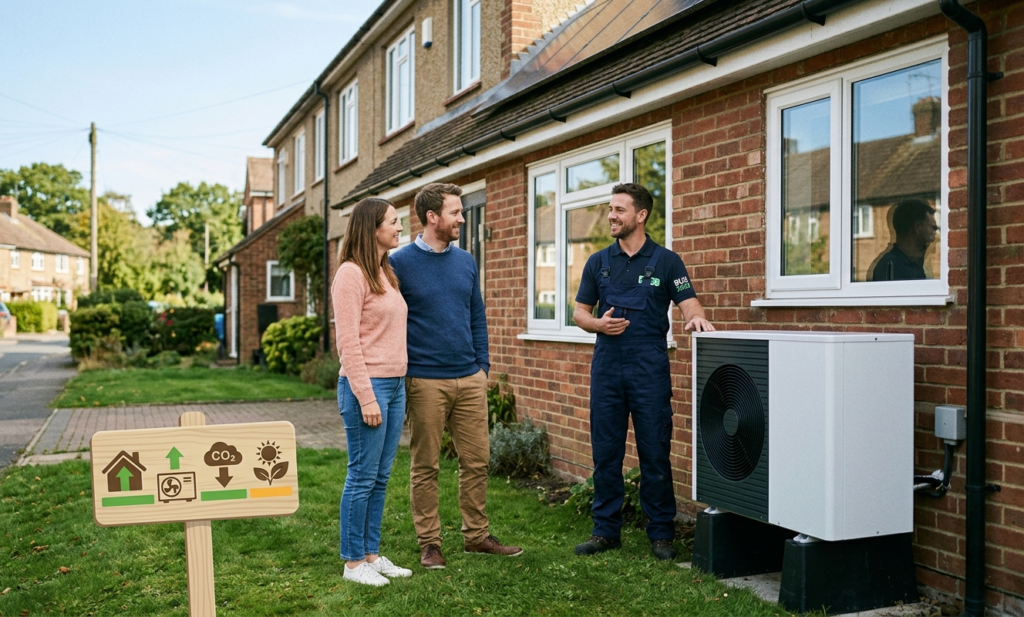
The Boiler Upgrade Scheme already offers grants to help households replace older heating systems with low-carbon alternatives, mainly heat pumps and biomass boilers.
Rather than being a short-term incentive, it supports a wider national goal: reducing carbon emissions from homes. Heating accounts for a large share of household emissions, so shifting away from gas and oil boilers plays a central role.
By 2030, the expectation is that many more homes will rely on low-carbon systems. The scheme acts as an early push, making that transition more affordable and practical.
Why 2030 Is an Important Deadline
The year 2030 often appears in energy discussions for a reason.
Governments have set targets to cut emissions significantly within this timeframe. While not every gas boiler will disappear overnight, policies increasingly encourage alternatives.
In simple terms, 2030 is less about a sudden switch and more about momentum. By that point, a large portion of heating upgrades is expected to move toward cleaner systems rather than traditional boilers.
What Changes Could Happen by 2030?
Although policies can evolve, a few trends are already clear.
Greater Focus on Heat Pumps
Heat pumps are likely to become the standard choice for new installations. As demand grows, installation processes may become simpler and more cost-effective.
Reduced Reliance on Gas Boilers
Gas boilers may still exist, but their role could shrink. New regulations might limit where and when they can be installed, especially in new-build homes.
Improved Funding or Incentives
The current grant levels may change over time. Governments often adjust support to reflect market conditions and adoption rates.
Stronger Energy Efficiency Requirements
Homes may need better insulation before qualifying for certain upgrades. This ensures systems like heat pumps perform as intended.
How the Scheme Benefits Homeowners in the Long Run
Looking ahead to 2030, the value of the scheme becomes clearer when you consider long-term effects.
First, it helps spread out the cost of change. Instead of waiting until regulations force an upgrade, homeowners can act earlier with financial support.
Second, it reduces the risk of being caught off guard. Heating systems don’t last forever. Planning ahead gives you more control over timing and budget.
Finally, early adoption can improve comfort and efficiency. Modern systems, when properly installed, tend to provide steady heating with lower energy waste.
Common Misunderstandings About the 2030 Timeline
There’s quite a bit of confusion around what will actually happen.
Some people assume gas boilers will be completely banned by 2030. That’s not accurate. Existing systems can still be used, and replacements may still be allowed in certain situations.
Others think the scheme will last unchanged until then. In reality, funding levels and eligibility rules can shift over time.
A more realistic view is that the transition will be gradual, with increasing encouragement to move toward low-carbon options.
Is It Better to Upgrade Now or Wait?
This is one of the most common questions.
Upgrading now makes sense if your current system is old, inefficient, or costly to run. You can take advantage of available grants and avoid future pressure.
On the other hand, if your boiler is relatively new and working well, waiting may be reasonable. Technology and support schemes could improve over time.
The decision often comes down to timing, the condition of your current system, and how long you plan to stay in your home.
What Should You Check Before Considering an Upgrade?
Before making any decisions, it’s worth looking at a few practical factors:
- Insulation quality: Heat pumps perform best in well-insulated homes
- Available space: Some systems need outdoor units or larger radiators
- Energy costs: Electricity prices can affect running costs
- Installer advice: A proper assessment can prevent costly mistakes
Taking these steps helps ensure the upgrade actually delivers the benefits you expect.
Final Thoughts
The idea of a “Boiler Upgrade Scheme for 2030” isn’t about a brand-new program waiting in the future. It reflects a broader shift already underway.
The current scheme is one piece of that transition. It encourages homeowners to move toward low-carbon heating gradually, rather than all at once.
For most people, the key isn’t rushing into a decision. It’s understanding how your home fits into these changes and choosing the right moment to act. More details are explained in the boiler upgrade scheme and how it works.