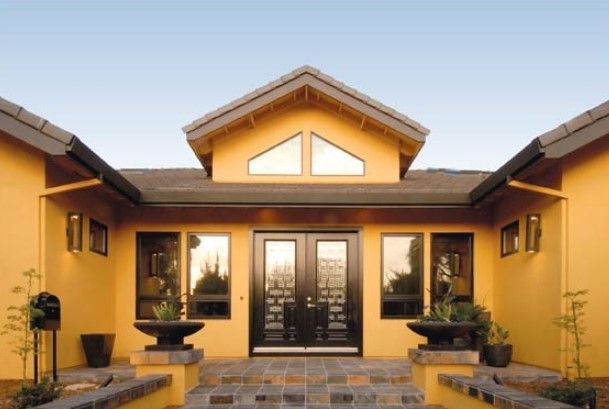
Painting a four-bedroom house is a significant home improvement project that requires careful planning, preparation, and execution. Many homeowners wonder how long the entire process will take. The duration depends on several factors, including the size of the rooms, the type of paint used, the number of coats required, and whether you are painting the interior, exterior, or both. Professional painters often complete the job faster than DIY enthusiasts due to experience, proper tools, and efficient techniques. Additionally, surface preparation such as cleaning, sanding, and priming can add extra time but is crucial for achieving a smooth and long-lasting finish. In this article, we’ll break down the timeline, tips, and strategies to efficiently paint a four-bedroom house.
Factors Affecting House Painting Time
The time it takes to paint a house depends on multiple factors. First, the square footage of your four-bedroom house influences how long it will take to cover the walls. Rooms with higher ceilings or intricate trim details require additional attention. Second, the number of coats applied can extend the project timeline; two coats are often recommended for durability and color richness. Third, wall preparation, including patching holes, sanding rough spots, and cleaning, is essential but time-consuming. Weather conditions also play a role if painting the exterior. Finally, the experience level of the painter and the tools used—brushes, rollers, or sprayers—can make a significant difference in project speed.
Interior vs Exterior Painting Duration
Painting the interior and exterior of a four-bedroom house involves different challenges. Interior painting is generally quicker because it avoids weather delays and can be done room by room. However, moving furniture, covering floors, and removing fixtures add preparation time. Exterior painting requires weather considerations, safety equipment for heights, and surface cleaning, such as pressure washing. Depending on the condition of siding or brick, scraping and priming may take longer. On average, interior painting may take 4–7 days, while exterior painting can take 7–10 days. Hiring professionals can help complete the job faster, but DIY projects usually extend the timeline.
Preparing Your Four-Bedroom House for Painting
Preparation is key to a successful painting project. Start by clearing rooms, removing furniture, and protecting floors with drop cloths. Clean the walls to remove dust, grease, and dirt, ensuring the paint adheres properly. Sand rough spots and patch holes or cracks for a smooth finish. Apply primer where needed, especially if covering dark colors or painting raw surfaces. Tape edges, outlets, and window frames to avoid unwanted paint streaks. Proper preparation not only improves the final result but also reduces the likelihood of repainting, saving time in the long run. Skipping preparation often leads to uneven coverage and a shorter lifespan of the paint.
Choosing the Right Paint and Tools
Selecting high-quality paint and the right tools can significantly impact painting time and finish. Latex paint is popular for its quick drying time and easy cleanup, while oil-based paint is more durable but takes longer to dry. Choose colors that complement your home’s style and lighting. For tools, brushes are ideal for edges and trim, rollers for large wall areas, and sprayers for faster coverage in bigger spaces. Using the right combination of tools ensures even application and reduces streaks. Investing in premium paint and equipment may cost more upfront but saves time, effort, and ensures a professional-looking finish.
Estimating Time for Each Room
Each bedroom, living room, and hallway will require different amounts of time. A standard four-bedroom house may have four bedrooms, a living room, kitchen, and bathrooms. On average, painting one bedroom takes 4–6 hours per coat, depending on wall condition and size. Larger living areas may take 6–8 hours per coat. Kitchens and bathrooms require special consideration due to moisture, requiring mold-resistant paints. Hallways and closets can be quicker but still require careful edging. Factoring in drying time between coats is important to avoid smudges and uneven layers, which can extend the overall duration of your project.
Hiring Professional Painters vs DIY
Choosing between hiring professionals or painting yourself depends on budget, skill level, and time constraints. Professional painters often complete a four-bedroom house in 3–5 days, depending on complexity, due to experience, efficient tools, and multiple workers. DIY projects may take 1–2 weeks or more, as homeowners juggle preparation, painting, and drying times. Professionals also provide quality guarantees, proper surface preparation, and safer handling of equipment. On the other hand, painting yourself can be rewarding and cost-effective but requires planning and patience. Assess your goals, skill set, and schedule before deciding.
Common Mistakes That Delay Painting
Several common mistakes can extend painting timelines. Skipping wall preparation is a frequent error, leading to poor adhesion and uneven finish. Applying paint too thickly or without drying time between coats can cause runs and peeling. Using low-quality brushes or rollers may result in streaks and uneven layers. Painting in humid or cold conditions can slow drying and cause complications. Additionally, failing to cover furniture and floors properly leads to extra cleanup time. By avoiding these mistakes, you can save days and ensure a smooth, professional finish in your four-bedroom home painting project.
Tips to Speed Up Your Painting Project
Efficient planning and execution can reduce painting time. Start by gathering all materials and tools before beginning. Paint one room at a time, completing edges and main surfaces before moving to the next. Use rollers for large areas and brushes for edges to optimize speed. Ensure proper ventilation and temperature for faster drying. Consider quick-drying paints for multiple coats. Hiring extra hands or professional painters can further reduce the timeline. Finally, maintain a consistent work schedule and allow for proper drying between coats to avoid rework and achieve a high-quality finish.
Estimated Time to Paint Each Room in a Four-Bedroom House
| Room Type | Average Size (sq. ft) | Time per Coat (hours) | Number of Coats | Total Time (hours) | Notes |
| Master Bedroom | 200–250 | 4–5 | 2 | 8–10 | Requires careful edging and primer if walls are dark or damaged. |
| Bedroom 2 | 150–200 | 3–4 | 2 | 6–8 | Smaller room, easier to complete; drying time included. |
| Bedroom 3 | 150–180 | 3–4 | 2 | 6–8 | Standard walls; consider moisture-resistant paint for humid areas. |
| Bedroom 4 | 140–180 | 3–4 | 2 | 6–8 | Often used as guest or office room; fewer obstacles to move. |
| Living Room | 250–300 | 5–6 | 2 | 10–12 | Larger area; may need extra time for trim and high ceilings. |
| Kitchen | 120–150 | 3–4 | 2 | 6–8 | Moisture-prone area; use mold-resistant paint. |
| Bathrooms (2) | 50–70 each | 2–3 | 2 | 4–6 per bathroom | Small but require special moisture-resistant finishes. |
| Hallways & Closets | 100–150 total | 2–3 | 2 | 4–6 | Quick to paint, but careful edging is necessary. |
Notes:
- Total painting time includes surface preparation, priming, and drying between coats.
- DIY projects may take 20–30% longer than professional painting services.
- Using a paint sprayer can reduce time for larger rooms like the living room.
Conclusion: Time Management for Painting a Four-Bedroom House
House painting is a manageable but time-intensive project. Understanding factors like preparation, paint type, number of coats, room sizes, and weather conditions helps estimate realistic timelines. Interior painting may take around 4–7 days, while exterior projects may take 7–10 days, depending on complexity. Hiring professionals can accelerate the process, whereas DIY requires patience and careful planning. Proper preparation, quality tools, and avoiding common mistakes ensure a smooth, durable, and visually appealing finish. With effective time management and strategic execution, homeowners can achieve a beautifully painted four-bedroom house efficiently.