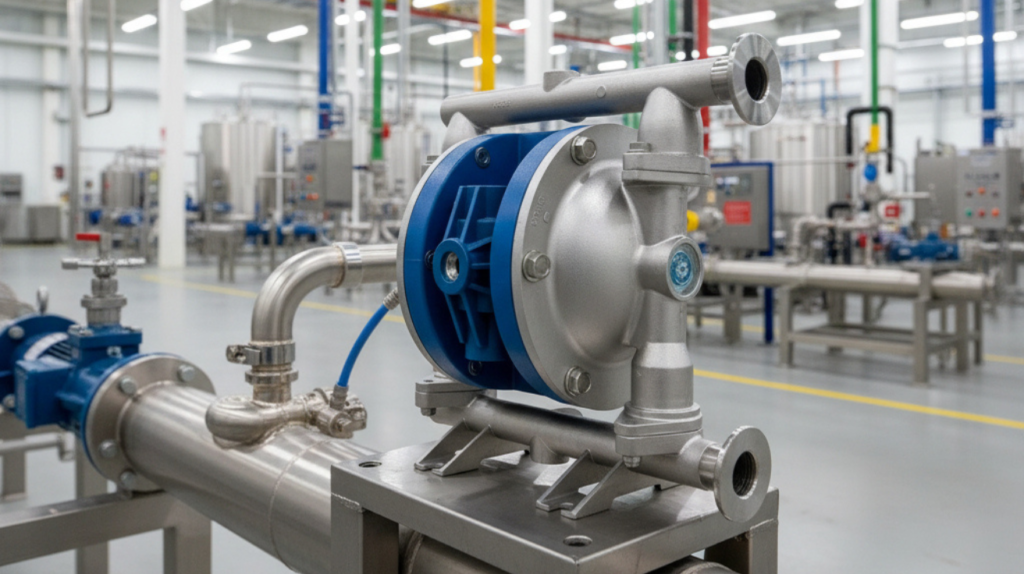
Chemical Pumps.
In the vast and complex world of industrial operations, certain components quietly ensure that everything runs smoothly. Among these unsung heroes are chemical pumps critical devices responsible for safely and efficiently transporting liquids in countless applications. From pharmaceuticals and food processing to oil refining and water treatment, chemical pumps are essential to maintaining precision, safety, and productivity.
This article explores what chemical pumps are, how they work, the different types available, and why choosing the right one is vital for operational success.
What Are Chemical Pumps?
Chemical pumps are specialized devices designed to move liquids, often corrosive or hazardous, from one location to another. Unlike standard pumps, they are engineered with materials and designs that can withstand aggressive chemicals, extreme temperatures, and demanding industrial environments.
These pumps are used to handle substances such as acids, solvents, alkalis, and other reactive fluids. Their construction ensures minimal leakage, reduced contamination risk, and long-term durability.
Why Chemical Pumps Are So Important
The importance of chemical pumps goes beyond simple fluid transfer. They play a key role in:
- Ensuring Safety: Proper containment of hazardous chemicals prevents leaks and accidents.
- Maintaining Efficiency: Accurate flow rates are essential for consistent production processes.
- Protecting Equipment: Using the right pump reduces wear and damage to systems.
- Regulatory Compliance: Many industries must adhere to strict safety and environmental standards.
Without reliable chemical pumps, industries would face increased downtime, safety risks, and operational inefficiencies.
Types of Chemical Pumps
Choosing the correct type of chemical pump depends on the application, fluid properties, and operational requirements. Below are the most commonly used types:
1. Centrifugal Pumps
Centrifugal pumps are among the most widely used chemical pumps. They operate by converting rotational energy from a motor into kinetic energy, which moves the fluid.
Key features:
- Ideal for low-viscosity fluids
- Smooth and continuous flow
- Simple design with low maintenance
Common uses:
- Water treatment plants
- Chemical processing facilities
- Cooling systems
2. Diaphragm Pumps
Diaphragm pumps use a flexible membrane to move fluids in and out of a chamber. They are particularly useful for handling hazardous or sensitive chemicals.
Key features:
- Leak-free operation
- Can handle abrasive and corrosive fluids
- Self-priming capability
Common uses:
- Pharmaceutical production
- Chemical dosing
- Wastewater treatment
3. Peristaltic Pumps
Peristaltic pumps move fluids through a flexible tube using a rotating mechanism. The fluid never comes into contact with pump components other than the tubing.
Key features:
- Excellent for sterile or sensitive fluids
- Easy maintenance
- Minimal contamination risk
Common uses:
- Food and beverage processing
- Medical and laboratory applications
- Chemical metering
4. Gear Pumps
Gear pumps use rotating gears to move fluids. They are well-suited for handling viscous liquids.
Key features:
- Consistent flow rate
- High efficiency for thick fluids
- Durable construction
Common uses:
- Oil and lubricant transfer
- Resin and polymer processing
- Chemical manufacturing
5. Magnetic Drive Pumps
Magnetic drive pumps eliminate the need for a mechanical seal by using magnetic coupling to transfer motion.
Key features:
- Leak-proof design
- Ideal for hazardous chemicals
- Reduced maintenance
Common uses:
- Handling toxic or flammable chemicals
- High-purity applications
- Corrosive fluid transfer
Materials Used in Chemical Pumps
Material selection is crucial when dealing with aggressive chemicals. The wrong material can lead to corrosion, contamination, or failure.
Common materials include:
- Stainless Steel: Durable and resistant to many chemicals
- Polypropylene: Lightweight and corrosion-resistant
- PVDF (Polyvinylidene Fluoride): Excellent for highly corrosive substances
- Teflon (PTFE): Ideal for extreme chemical resistance
- Cast Iron: Suitable for less aggressive applications
Each material is chosen based on the chemical compatibility, temperature, and pressure requirements of the application.
Key Factors to Consider When Choosing a Chemical Pump
Selecting the right chemical pump is critical for both safety and performance. Here are the most important factors to evaluate:
1. Chemical Compatibility
The pump must be able to handle the specific chemical without degrading. Always consult compatibility charts and manufacturer guidelines.
2. Flow Rate and Pressure
Determine how much fluid needs to be moved and at what pressure. This ensures the pump can meet operational demands without strain.
3. Temperature Conditions
Some chemicals must be handled at extreme temperatures. Ensure the pump materials and design can withstand these conditions.
4. Viscosity of the Fluid
Thicker fluids require pumps designed to handle higher resistance, such as gear or diaphragm pumps.
5. Maintenance Requirements
Choose a pump that aligns with your maintenance capabilities. Simpler designs often mean less downtime and lower costs.
6. Safety Features
Look for features like leak detection, seal-less designs, and automatic shutoff systems to enhance safety.
Common Applications of Chemical Pumps
Chemical pumps are used across a wide range of industries. Some of the most notable include:
1. Chemical Manufacturing
Used to transfer raw materials and finished products safely and efficiently.
2. Water and Wastewater Treatment
Essential for dosing chemicals like chlorine, coagulants, and pH adjusters.
3. Oil and Gas Industry
Used for transferring fuels, lubricants, and chemical additives.
4. Pharmaceuticals
Ensures precise handling of sensitive and sterile fluids.
5. Food and Beverage Processing
Used for flavoring agents, cleaning chemicals, and liquid ingredients.
6. Agriculture
Helps distribute fertilizers, pesticides, and herbicides.
Maintenance Tips for Long-Lasting Performance
Proper maintenance can significantly extend the lifespan of chemical pumps and prevent costly breakdowns.
- Regular Inspections: Check for leaks, corrosion, and unusual noises
- Clean Components: Prevent buildup that can affect performance
- Monitor Performance: Keep track of flow rates and pressure levels
- Replace Worn Parts: Address issues before they lead to failure
- Follow Manufacturer Guidelines: Ensure proper usage and servicing
The Future of Chemical Pumps
As industries evolve, so do the technologies behind chemical pumps. Innovations are focused on improving efficiency, safety, and sustainability.
Emerging trends include:
- Smart Pumps: Equipped with sensors and IoT capabilities for real-time monitoring
- Energy-Efficient Designs: Reduced power consumption and environmental impact
- Advanced Materials: Improved resistance to extreme chemicals and conditions
- Automation Integration: Seamless operation within modern industrial systems
These advancements are helping industries achieve higher productivity while minimizing risks and environmental impact.
Conclusion
Chemical pumps may not always be in the spotlight, but their role in modern industry is indispensable. From ensuring safe handling of hazardous materials to maintaining precise production processes, these pumps are the backbone of countless operations.
Understanding the different types of chemical pumps, their applications, and how to choose the right one can make a significant difference in efficiency, safety, and cost-effectiveness. As technology continues to advance, chemical pumps will remain a vital component in driving industrial progress forward.