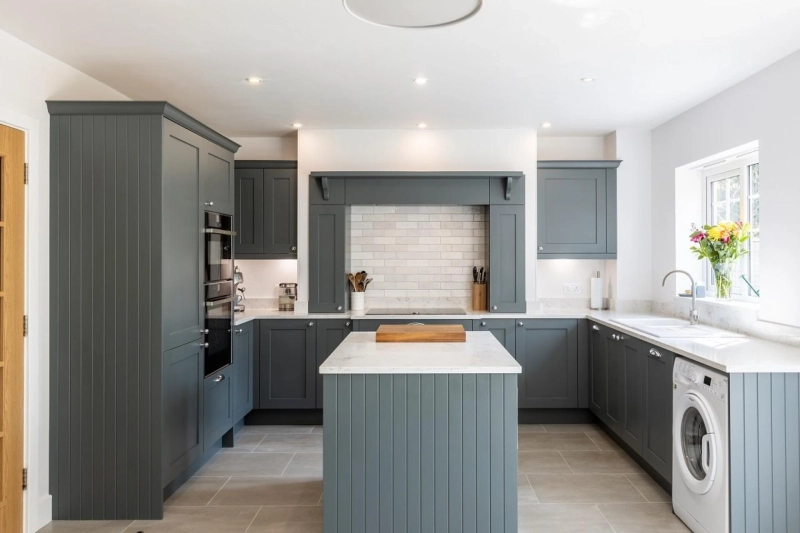
When planning a kitchen renovation, selecting the right worktop material is one of the most important decisions homeowners make. Among the many options available today, quartz and natural stone surfaces remain the most trusted choices for modern kitchens. Each material offers a unique combination of durability, aesthetics, and long-term value.
In particular, the quartzite worktop has gained significant attention for combining the strength of natural stone with elegant marble-like patterns. Understanding the similarities and differences between quartz surfaces and natural stones such as granite, marble, and quartzite helps homeowners choose the most suitable material for their space.
This guide explores how these surfaces compare and when each option works best in a modern kitchen design.
Why Quartz and Natural Stone Remain Popular Choices
Quartz and natural stone continue to dominate the market for the best kitchen worktops because they provide an excellent balance between visual appeal and performance. Homeowners increasingly seek surfaces that not only enhance the beauty of their kitchens but also withstand daily cooking activities, spills, and wear.
Quartz offers engineered precision, consistency, and minimal maintenance. Natural stones, including granite, marble, and the increasingly popular quartzite worktop, provide organic beauty and individuality that cannot be replicated through manufacturing.
As a result, both materials cater to different design priorities and lifestyles, making them ideal for a wide variety of kitchen environments.
What are Quartz Worktops?
Quartz worktops are engineered surfaces composed of natural quartz crystals combined with resins and pigments. This manufacturing process produces a highly durable and non-porous material suitable for modern kitchens.
One of the most appealing features of quartz is its design flexibility. Many homeowners choose quartz because it can replicate the look of natural materials, including kitchen worktops with white marble effect finishes. These surfaces provide the elegance of marble while offering superior practicality for everyday use.
A white quartz countertop in kitchen environments is particularly popular because it reflects light effectively, making the space feel brighter and more spacious. The uniformity of quartz patterns also allows designers to achieve a clean and contemporary aesthetic.
Quartz worktops are typically valued for their:
- Low maintenance requirements
- Strong resistance to stains and scratches
- Non-porous and hygienic surfaces
- Consistent colour and pattern throughout the slab
For households seeking reliable and visually refined best kitchen worktops, quartz surfaces remain a dependable solution.
Natural Stone Worktops and the Role of Quartzite
Natural stone worktops are formed through geological processes over millions of years. Popular choices include granite, marble, and the increasingly desirable quartzite worktop. Each slab is unique, displaying natural veining, texture, and colour variations.
Among these materials, quartzite stands out for its remarkable durability and sophisticated appearance. A quartzite worktop often resembles marble in visual style but provides significantly greater hardness and resistance to wear. This combination makes quartzite particularly appealing for kitchens that require both elegance and strength.
Natural stone surfaces are appreciated for several reasons:
- Unique patterns that cannot be duplicated
- Exceptional durability, especially in quartzite and granite
- Strong heat resistance
- A premium, timeless aesthetic
Although natural stones require periodic sealing to maintain performance, many homeowners consider this minimal maintenance worthwhile in exchange for their distinctive appearance.
Similarities Between Quartz and Natural Stone
Despite their differences, quartz and natural stone worktops share several important characteristics. Both materials are considered among the best kitchen worktops due to their strength and long lifespan.
First, both options offer excellent durability compared to laminate or wood surfaces. They are designed to withstand daily kitchen activities, including food preparation and exposure to heat.
Second, both materials provide impressive visual impact. Whether homeowners prefer the refined look of kitchen worktops with white marble effect or the organic patterns of natural stone, both surfaces contribute significantly to kitchen aesthetics.
Finally, quartz and natural stones such as quartzite worktop add value to a property. Premium worktops are often viewed as long-term investments that enhance both functionality and resale appeal.
Key Differences Between Quartz and Natural Stone
Although quartz and natural stone may appear similar at first glance, their composition and maintenance requirements differ.
Manufacturing Process
- Quartz is engineered using natural minerals combined with resins, creating a controlled and consistent surface.
- Natural stone, including the quartzite worktop, is quarried directly from the earth and cut into slabs, meaning each piece is unique.
Maintenance
- Quartz surfaces are non-porous and generally do not require sealing.
- Natural stone surfaces, particularly marble and some quartzites, may require periodic sealing to maintain stain resistance.
Appearance
- Quartz offers predictable patterns and colour uniformity, making it ideal for contemporary designs.
- Natural stones provide organic movement and variation, giving kitchens a more distinctive and luxurious character.
Durability
- Both materials are durable, but quartzite is among the hardest natural stones available.
- A quartzite worktop can offer exceptional resistance to heat and scratches when properly maintained.
When to Choose Quartz?
Quartz is often recommended for households that prioritise practicality and minimal maintenance. It performs exceptionally well in busy family kitchens where spills and daily use are common.
Homeowners who prefer a clean, modern aesthetic frequently choose quartz surfaces, especially designs that replicate kitchen worktops with white marble effect. A white quartz countertop in kitchen layouts can create a bright and elegant atmosphere while remaining easy to maintain.
Quartz is particularly suitable for:
- Busy family kitchens
- Contemporary interior designs
- Homes requiring low-maintenance surfaces
- Kitchens with consistent colour schemes
When to Choose a Quartzite Worktop?
For homeowners seeking the natural beauty of stone with exceptional strength, the quartzite worktop is often the ideal choice. Quartzite delivers the visual elegance associated with marble while offering superior durability and heat resistance.
A quartzite worktop works especially well in large kitchens and statement islands, where its natural veining can be fully appreciated. Because every slab is unique, quartzite creates a distinctive kitchen surface that cannot be replicated by engineered materials.
Quartzite is commonly chosen for:
- Luxury or design-focused kitchens
- Large kitchen islands
- Homes seeking unique natural patterns
- Long-term investment surfaces
In Conclusion, choosing between quartz and natural stone ultimately depends on lifestyle, maintenance preferences, and design goals. Quartz offers consistency, convenience, and modern elegance, making it one of the best kitchen worktops for busy households. Meanwhile, natural stone options such as the quartzite worktop provide individuality, strength, and timeless appeal.
For homeowners seeking the perfect balance between durability and sophistication, both materials offer exceptional possibilities. Whether selecting a white quartz countertop in kitchen spaces for a sleek finish or investing in a stunning quartzite worktop for natural beauty, the right surface can transform the entire kitchen environment.