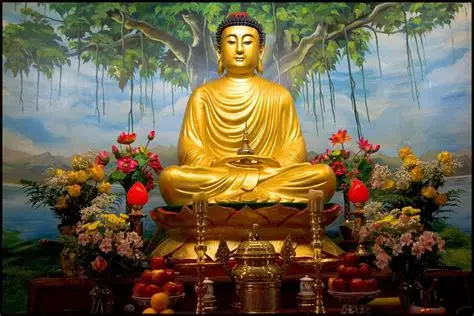
India, the birthplace of Buddhism, is home to a rich tapestry of traditions and celebrations that honor the teachings of Lord Buddha. Buddhist Festivals in India are not only spiritual occasions but also cultural events that bring communities together in joy, devotion, and reflection. From grand ceremonies in monasteries to colorful processions in towns, these festivals showcase the deep connection between Buddhism and Indian heritage.
This guide explores the most important Buddhist festivals celebrated across India, their significance, and how travelers can experience them.
🌄 The Essence of Buddhist Festivals in India
Buddhist festivals are rooted in the life and teachings of Siddhartha Gautama, the Buddha. They commemorate key events such as his birth, enlightenment, and nirvana, while also celebrating Buddhist philosophy, art, and community life. These festivals offer:
- Spiritual significance – Opportunities for meditation, prayer, and rituals.
- Cultural richness – Dance, music, and traditional performances.
- Community bonding – Bringing together monks, pilgrims, and locals.
- Tourism appeal – Attracting travelers interested in spirituality and heritage.
🕉️ Major Buddhist Festivals in India
1. Buddha Purnima (Vesak)
Buddha Purnima is the most important Buddhist festival, celebrated on the full moon day in April or May. It marks the birth, enlightenment, and nirvana of Lord Buddha. Devotees visit temples, offer prayers, and engage in meditation. Bodh Gaya, Sarnath, and Kushinagar are major centers of celebration.
2. Losar Festival
Losar is the Tibetan New Year, celebrated in regions like Ladakh, Sikkim, and Arunachal Pradesh. It involves rituals, dances, and feasts. Monasteries are decorated, and people exchange greetings for prosperity and peace.
3. Hemis Festival
Held at Hemis Monastery in Ladakh, this festival honors Guru Padmasambhava, who spread Buddhism in Tibet. The highlight is the masked dance performed by monks, symbolizing the victory of good over evil.
4. Ullambana Festival
Also known as the “Hungry Ghost Festival,” Ullambana is celebrated to honor ancestors and liberate souls from suffering. Offerings are made in monasteries, and rituals are performed for departed loved ones.
5. Kathina Ceremony
Observed after the monastic retreat (Vassa), Kathina involves offering robes and essentials to monks. It symbolizes generosity and community support for the monastic order.
🏯 Regional Buddhist Festivals
6. Tawang Festival, Arunachal Pradesh
Celebrated at Tawang Monastery, this festival showcases Buddhist rituals, dances, and local traditions. It is a vibrant mix of spirituality and culture.
7. Cham Dance Festivals
Cham dances are performed in monasteries across Himachal Pradesh, Ladakh, and Sikkim. Monks wear elaborate masks and costumes, enacting stories of Buddhist deities and moral lessons.
8. Saga Dawa Festival, Sikkim
Saga Dawa commemorates Buddha’s birth, enlightenment, and nirvana. Monks carry holy scriptures in processions, and devotees engage in prayers and rituals.
9. Phuntsok Ling Festival, Odisha
Celebrated in Odisha’s Buddhist monasteries, this festival involves prayers, rituals, and cultural performances, highlighting Buddhism’s presence in eastern India.
🌿 Cultural Significance of Buddhist Festivals
Buddhist festivals in India are not just religious events; they are cultural celebrations that highlight:
- Art and music – Traditional instruments, chants, and dances.
- Handicrafts – Prayer flags, thangkas, and ritual items.
- Cuisine – Special vegetarian dishes, butter tea, and festive sweets.
- Community service – Acts of charity and compassion.
🎉 Tourist Experiences During Buddhist Festivals
Travelers can immerse themselves in Buddhist festivals by:
- Attending ceremonies at monasteries.
- Watching masked dances and cultural performances.
- Participating in meditation retreats.
- Exploring local markets selling handicrafts and souvenirs.
- Engaging with monks and learning about Buddhist philosophy.
🚗 Travel Tips for Experiencing Buddhist Festivals in India
- Best Time to Visit
- April–May: Buddha Purnima.
- June–July: Hemis Festival.
- December–January: Losar Festival.
- Packing Essentials
- Modest clothing for temple visits.
- Warm clothes for Himalayan regions.
- Comfortable shoes for processions and treks.
- Respect Local Traditions
- Avoid loud behavior in monasteries.
- Follow photography rules during rituals.
- Support eco-tourism and local communities.
✨ Why Buddhist Festivals in India Are Special
These festivals are unique because they combine spirituality with cultural vibrancy. They offer:
- Connection to Buddha’s life – Celebrating key events in his journey.
- Peaceful retreats – Opportunities for meditation and reflection.
- Cultural immersion – Experiencing local traditions and art.
- Global appeal – Attracting pilgrims and tourists from around the world.
🏁 Conclusion
Buddhist Festivals in India are timeless celebrations that continue to inspire people with their spiritual depth and cultural richness. From the serene rituals of Buddha Purnima to the lively dances of Hemis, each festival offers a unique glimpse into the Buddhist way of life.
Whether you are a pilgrim seeking blessings, a traveler exploring heritage, or a seeker looking for peace, India’s Buddhist festivals promise experiences that touch the soul.
So, embark on this journey of faith and culture, and let the teachings of Buddha guide your path.