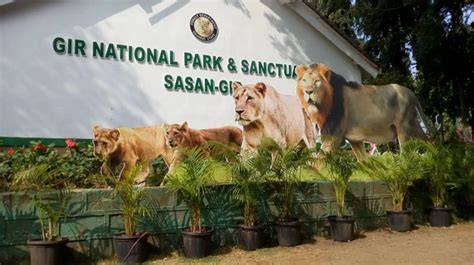
Gir National Park, located in Gujarat, India, is the only natural habitat of the Asiatic lion. Spread across 1,400 square kilometers, it is a paradise for wildlife enthusiasts, bird watchers, and nature lovers. When travelers search for Best Time to Visit Gir National Park, they are often looking for the ideal season to enjoy safaris, spot lions, and experience the park’s diverse flora and fauna. Choosing the right time is crucial, as Gir’s subtropical climate brings distinct seasonal variations that shape the visitor experience.
Seasonal Overview of Gir National Park
| Season | Months | Temperature Range | Experience | Suitability |
| Winter | November – February | 10–25°C | Pleasant weather, peak tourist season | Best for safaris & festivals |
| Summer | March – June | 30–40°C | Hot, dry, easier lion sightings | Good for wildlife photography |
| Monsoon | July – October | 25–35°C | Heavy rainfall, park closed | Not suitable for visits |
Winter (November – February): The Peak Season
- Weather: Cool and pleasant, with temperatures ranging from 10–25°C.
- Safari Experience: Comfortable rides, clear visibility, and vibrant landscapes.
- Wildlife Spotting: Lions, leopards, antelopes, and migratory birds are easily visible.
- Festivals: Local fairs and cultural events add charm to the visit.
- Why Visit Now: Winter is considered the best time to visit Gir National Park, offering ideal conditions for safaris and photography.
Summer (March – June): The Wildlife Spotting Season
- Weather: Hot and dry, with temperatures often exceeding 40°C.
- Safari Experience: Though challenging, summer is excellent for spotting lions and leopards, as they often rest near waterholes.
- Photography: Clear skies and dry landscapes make for dramatic wildlife shots.
- Challenges: Heat can be intense; safaris are best scheduled in early mornings or late evenings.
- Why Visit Now: Perfect for serious wildlife enthusiasts and photographers seeking rare sightings.
Monsoon (July – October): The Off Season
- Weather: Heavy rainfall, high humidity, and lush greenery.
- Safari Experience: The park remains closed from mid‑June to mid‑October to allow regeneration.
- Advantages: Surrounding areas are scenic, with waterfalls and greenery.
- Why Avoid Now: Safaris are unavailable, making this season unsuitable for wildlife tourism.
Month‑Wise Breakdown
- November–December: Cool, festive atmosphere, ideal for family trips.
- January–February: Peak safari season, excellent for bird watching.
- March–April: Transition to summer, moderate heat, good for lion sightings.
- May–June: Hot but rewarding for wildlife photography.
- July–October: Closed season, but nearby eco‑tourism spots remain accessible.
Safari Timings
- Morning Safari: 6:00 AM – 9:00 AM (best for spotting lions).
- Afternoon Safari: 3:00 PM – 6:00 PM (ideal for bird watching and evening activity).
- Booking: Safaris must be booked online in advance, especially during winter.
Travel Tips
- Best Time for Families: Winter, due to pleasant weather and cultural events.
- Best Time for Wildlife Enthusiasts: Summer, for higher chances of lion sightings.
- Best Time for Photographers: Both winter (for landscapes) and summer (for dramatic wildlife shots).
- Avoid Monsoon: The park is closed, and safaris are unavailable.
Risks and Considerations
- Heat in Summer: Carry water, hats, and sunscreen.
- Crowds in Winter: Book safaris and accommodations well in advance.
- Monsoon Closures: Plan alternative eco‑tourism destinations nearby.
Conclusion
The best time to visit Gir National Park is during the winter months (November to February), when the weather is pleasant, safaris are comfortable, and wildlife sightings are abundant. However, summer (March to June) offers excellent opportunities for spotting lions and capturing striking photographs, despite the heat. Monsoon (July to October) is the off‑season, as the park remains closed. Whether you’re a pilgrim of nature, a wildlife photographer, or a family traveler, Gir National Park promises an unforgettable experience when visited at the right time.