Fuel Management System: A Complete Guide to Improving Fuel Efficiency and Control
Fuel Management System
In today’s fast-moving industrial and transport environment, fuel is one of the highest operating expenses for businesses that rely on vehicles, generators, or heavy machinery. Whether you operate a logistics fleet, construction company, mining site, or marine operation, controlling fuel usage directly impacts profitability. This is where a fuel management system becomes essential.
A fuel management system (FMS) is a combination of hardware and software designed to monitor, control, and optimize fuel consumption. It helps businesses track fuel usage in real time, prevent theft, reduce waste, and improve overall operational efficiency.
In this article, we will explore what a fuel management system is, how it works, its components, benefits, and why businesses across industries are adopting it.
What Is a Fuel Management System?
A fuel management system is a technology-driven solution that tracks fuel storage, distribution, and consumption. It provides detailed insights into how much fuel is used, where it is used, and by whom.
Traditionally, fuel tracking was done manually using paper logs and spreadsheets. This method often resulted in errors, inaccurate reporting, and fuel losses. Modern fuel management systems automate the entire process, offering precise data and full transparency.
These systems are widely used in:
-
Transportation and logistics fleets
-
Construction and heavy equipment operations
-
Oil and gas industries
-
Marine and shipping companies
-
Agriculture businesses
-
Public transport services
Key Components of a Fuel Management System
A comprehensive fuel management system typically includes the following components:
1. Fuel Sensors
Installed in vehicles or fuel tanks, these sensors measure fuel levels and detect real-time changes. They help track fuel consumption and identify irregularities.
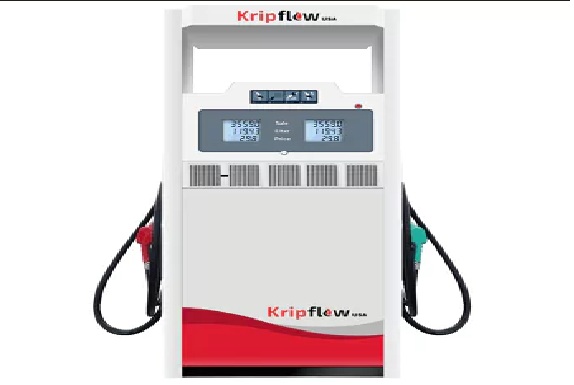
2. Fuel Dispensers with Access Control
These are installed at fuel stations or on-site fuel tanks. Drivers or operators must authenticate themselves using RFID cards, PIN codes, or biometric access before fueling.
3. GPS Tracking Integration
When integrated with GPS systems, businesses can monitor vehicle routes and correlate fuel usage with travel distance.
4. Software Dashboard
The software platform is the brain of the system. It collects data from sensors and dispensers and presents it in easy-to-read reports and analytics.
5. Reporting and Analytics Tools
Advanced analytics provide insights into fuel trends, fuel efficiency, idling time, and potential fuel theft.
How a Fuel Management System Works
The process is simple but highly effective:
-
A vehicle or machine arrives at the fueling station.
-
The operator authenticates access through an RFID card or identification system.
-
The fuel dispenser records the exact amount of fuel dispensed.
-
The data is automatically transmitted to the central software.
-
Managers can view reports, track consumption patterns, and monitor fuel efficiency in real time.
This automated system eliminates manual record-keeping and significantly reduces discrepancies.
Benefits of Implementing a Fuel Management System
1. Reduced Fuel Theft and Fraud
Fuel theft is a major concern for businesses with large fleets. Unauthorized fueling and fuel siphoning can lead to substantial financial losses. A fuel management system ensures that only authorized personnel can access fuel, and every transaction is recorded.
2. Improved Fuel Efficiency
With real-time tracking and performance reports, managers can identify inefficient vehicles or drivers. Monitoring driving behavior, excessive idling, and route inefficiencies can help reduce fuel consumption.
3. Cost Savings
Fuel is often one of the largest operational expenses. Even a small percentage reduction in fuel waste can result in significant annual savings.
4. Accurate Reporting
Automated data collection eliminates human error. Detailed reports allow businesses to analyze fuel trends and make informed decisions.
5. Better Fleet Management
When integrated with fleet tracking systems, businesses gain full visibility into vehicle performance and fuel usage.
6. Environmental Impact
Efficient fuel usage reduces carbon emissions. By minimizing waste and improving operational efficiency, companies can contribute to environmental sustainability.
Types of Fuel Management Systems
There are different types of fuel management systems based on business needs:
On-Site Fuel Management Systems
These are installed at company-owned fueling stations. They are ideal for companies with large fleets or heavy equipment operations.
Mobile Fuel Management Systems
Designed for remote locations such as construction sites or mining areas, these portable systems allow on-site fuel tracking.
Cloud-Based Fuel Management Systems
Cloud technology enables remote monitoring from anywhere. Managers can access fuel reports via web portals or mobile apps.
Integrated Fleet Fuel Management Systems
These systems combine fuel monitoring with GPS fleet tracking for comprehensive control.
Industries That Benefit Most
Transportation and Logistics
Fleet operators can track fuel usage per vehicle, monitor driver behavior, and optimize routes to reduce fuel costs.
Construction
Heavy machinery consumes significant fuel. Monitoring equipment usage ensures fuel is used efficiently and reduces misuse.
Agriculture
Farm operations rely on tractors and generators. Fuel tracking helps manage seasonal operations more effectively.
Marine and Shipping
Fuel costs are critical in marine operations. Monitoring fuel usage improves voyage efficiency and cost management.
Key Features to Look for in a Fuel Management System
When choosing a fuel management system, consider the following features:
-
Real-time monitoring
-
Cloud-based access
-
Automated alerts for irregular activity
-
Driver identification system
-
Detailed reporting and analytics
-
Integration with GPS tracking
-
Scalability for business growth
-
User-friendly dashboard
Investing in a scalable solution ensures the system grows alongside your business.
Challenges Without a Fuel Management System
Businesses that do not implement a proper fuel monitoring system often face:
-
Fuel theft and unauthorized usage
-
Inaccurate manual records
-
High operational costs
-
Lack of accountability
-
Difficulty in identifying inefficiencies
Over time, these issues can significantly impact profitability.
Return on Investment (ROI)
Although installing a fuel management system requires an initial investment, the long-term savings outweigh the costs. Many companies recover their investment within months due to reduced fuel loss and improved efficiency.
For example, if a fleet spends $50,000 annually on fuel and reduces waste by just 10%, that’s a saving of $5,000 per year. Larger fleets can see even greater returns.
Future of Fuel Management Systems
Technology continues to evolve rapidly. Modern fuel management systems now integrate with:
-
IoT (Internet of Things) devices
-
Artificial Intelligence for predictive analytics
-
Telematics systems
-
Mobile applications for real-time monitoring
AI-powered systems can even predict fuel consumption trends and recommend optimization strategies.
As sustainability becomes a global priority, businesses are increasingly adopting smart fuel monitoring solutions to reduce emissions and comply with environmental regulations.
Why Your Business Needs a Fuel Management System
In competitive industries, operational efficiency determines profitability. Fuel costs are unavoidable, but fuel waste is preventable. A fuel management system provides transparency, control, and actionable insights.
By automating fuel tracking and improving accountability, businesses can:
-
Lower operational costs
-
Enhance productivity
-
Prevent theft
-
Improve sustainability
-
Make data-driven decisions
Whether you manage a small fleet or a large industrial operation, implementing a reliable fuel management system is no longer optional—it is a strategic necessity.
Conclusion
A fuel management system is a powerful tool for businesses that depend on fuel-driven operations. It combines technology, automation, and analytics to provide complete visibility and control over fuel usage.
From reducing fuel theft to improving operational efficiency and achieving cost savings, the benefits are substantial. As industries continue to modernize and embrace digital solutions, adopting a smart fuel management system will help businesses stay competitive and profitable in the long run.
If your organization relies heavily on fuel, now is the right time to explore and implement a comprehensive fuel management system tailored to your operational needs.