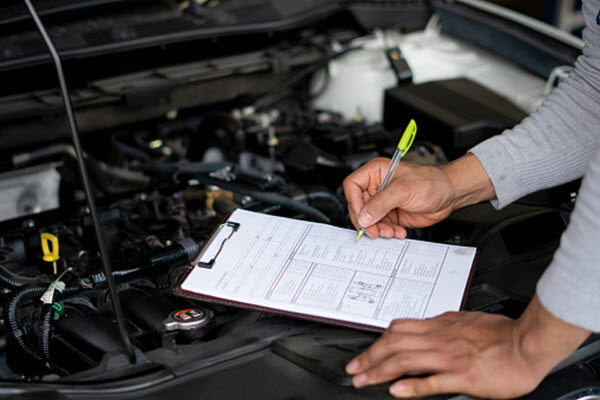
Classic cars are cherished treasures for collectors and automotive enthusiasts alike. Whether it’s a vintage gas-powered vehicle or a newly converted electric classic, maintaining these cars in top condition requires careful attention. One of the most important steps for any classic car owner is a thorough inspection. However, inspecting an electric classic car differs significantly from a traditional gas-powered Classic Car Inspection. Understanding these differences helps ensure safety, preserve value, and maintain performance.
Understanding the Basics:
Gas classic cars rely on internal combustion engines (ICE), fuel lines, exhaust systems, and mechanical components that have been used for decades. Inspections of these vehicles focus on engine condition, fuel delivery, exhaust integrity, brake and transmission systems, and overall structural health.
Electric classic cars, on the other hand, replace the traditional engine with electric motors, battery packs, and electronic control systems. While many aesthetic and structural inspection elements remain the same, the powertrain inspection process differs significantly due to the unique components of electric conversions.
Key Areas of Inspection for Gas Classic Cars
Engine Condition
Inspecting a gas engine includes checking for leaks, unusual noises, oil quality, compression levels, and worn parts. Classic engines may require detailed scrutiny for signs of rust, corrosion, or previous repairs.
Fuel System
Inspecting fuel tanks, lines, and carburettors is essential to prevent leaks, blockages, or gasoline degradation, which can damage the engine.
Exhaust and Emissions
Ensuring the exhaust system is intact, free of corrosion, and safely vented is critical for performance and safety.
Transmission and Drivetrain
Gearbox condition, clutch wear, and differential health are key inspection points because these components experience significant mechanical stress.
Braking System
Classic cars often have drum brakes or early disc brakes, which require careful inspection of pads, shoes, hydraulics, and fluid lines.
Chassis and Bodywork
Structural integrity, rust, frame alignment, and suspension wear are standard inspection points for all classic vehicles.
Key Areas of Inspection for Electric Classic Cars
Battery Health and Safety
The battery pack is the heart of an electric classic car. Inspections focus on charge capacity, cell health, wiring integrity, and thermal management systems. Signs of swelling, leakage, or unusual heat are red flags that need immediate attention.
Electric Motor and Controllers
Unlike traditional engines, electric motors require inspection of power output, noise levels, and electronic controllers. Proper motor function determines acceleration, efficiency, and overall performance.
Charging System
Ensuring the charging port, cables, and onboard chargers are safe and operational is vital. Faulty charging systems can lead to underperformance or even safety hazards.
High-Voltage Wiring
Electric vehicles contain high-voltage components that can be dangerous if damaged. Inspections check insulation, connectors, and grounding to ensure safety.
Software and Diagnostics
Many electric conversions rely on software to manage battery usage, torque delivery, and regenerative braking. Inspectors often perform diagnostic scans to identify error codes, software malfunctions, or firmware updates.
Braking and Regenerative Systems
Electric classic cars often integrate regenerative braking. Inspectors need to evaluate both mechanical brakes and electronic systems to ensure smooth stopping power and safety.
Similarities Between Electric and Gas Classic Car Inspections
While the powertrain differs, some inspection aspects remain consistent for all classic vehicles:
Structural Integrity:
Chassis, frame, and bodywork must be checked for rust, corrosion, and alignment issues.
Suspension and Steering:
Worn suspension or steering components, including bushings, affect handling and safety.
Interior and Exterior Condition:
Upholstery, dashboard, paint, and trim need assessment to maintain aesthetic and resale value.
Safety Features:
Lights, seatbelts, and general safety equipment should always be evaluated.
Why Electric Classic Car Inspections Are Often More Specialised?
Electric classic cars are often converted vehicles that blend vintage aesthetics with modern technology. Inspectors need both automotive and electrical expertise to fully evaluate the vehicle. Misdiagnosis can lead to costly repairs or safety risks.
Gas classic cars, while complex in their own right, rely on decades of standardised maintenance practices. Parts are often easier to find, and most mechanics have experience working with these engines. In contrast, electric conversions require specialised knowledge, and fewer parts are widely available, which can increase inspection and repair costs.
Cost Considerations
Due to the specialised nature of electric classic cars, inspections tend to be slightly more expensive than gas-powered classics. Electric inspections require diagnostic equipment, knowledge of battery safety protocols, and, in some cases, software updates. Gas classic inspections focus on mechanical evaluation and are generally less technical, but they may require extensive manual labour if engines or transmissions are worn.
Final Thoughts:
Both electric and gas classic cars require careful inspections to ensure longevity, safety, and performance. Gas classics demand thorough mechanical and structural checks, while electric conversions require attention to high-voltage systems, batteries, and software. For collectors and enthusiasts, understanding these differences is crucial. While the cost of a car inspection in Birmingham and an electric classic may be higher due to its specialised components, the investment is worthwhile to ensure the vehicle remains safe, reliable, and enjoyable.