Indroduction
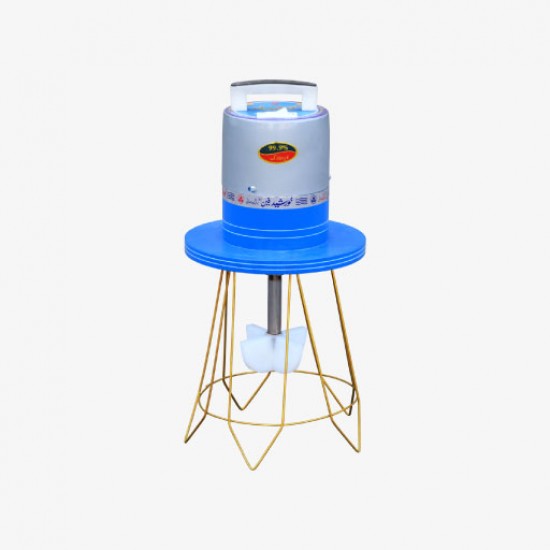
A Milk Skimmer Machine helps dairies separate cream from milk quickly and consistently, turning raw milk into valuable cream and reliable skim for everyday processing. In homes, farm sheds, and processing rooms, this equipment supports better product uniformity, less waste, and improved profitability.
What It Does
At its core, a Milk Skimmer Machine separates the lighter fat phase from the heavier liquid phase. Instead of waiting for gravity to do the job in a pan, the process becomes fast and repeatable, so operators can work on predictable schedules. Many buyers compare it to a cream separator because the purpose is similar, but modern units focus on smoother handling, easier cleaning, and stable output.
How Separation Works (In Simple Terms)
A Milk Skimmer Machine typically relies on centrifugal separation: a fast-spinning bowl creates a strong force that moves heavier components outward while the lighter fat-rich portion collects separately. When milk flows through the rotating system, the result is clean separation that supports skim milk production and strong butterfat recovery without long settling times.
Key components usually include:
- A feed section that guides milk into the spinning area
- A separation zone that splits fat and liquid efficiently
- Two exits that direct each fraction to the right container
Where It Fits in Dairy Operations
A Milk Skimmer Machine is useful wherever consistent cream and skim are needed. On a small-scale dairy, it can support daily household sales and value-added products. In a commercial dairy plant, it can standardize inputs before further processing. Across both settings, it belongs to the broader category of dairy processing equipment and often becomes the first “upgrade” after basic chilling and storage.
Common uses include:
- Preparing cream for desserts and beverages
- Producing skim milk for drinking or fermentation
- Creating standardized milk for product consistency
Types of Milk Skimmer Machine Models
A Milk Skimmer Machine generally falls into a few practical categories:
Manual and Electric Options
Manual units suit low volumes, while electric models handle higher throughput with less labor. Electric choices may feature a variable speed motor for fine control, especially when milk quality or temperatures vary.
Batch vs Continuous Feed
Batch feeding works well in simple setups. Continuous-feed designs suit busy dairies that want steady separation, measured output, and fewer pauses.
Household, Farm, and Industrial Builds
A Milk Skimmer Machine for household use emphasizes compact size and easy handling. Farm-oriented machines balance durability and throughput. Industrial versions prioritize high liters per hour capacity, stable performance, and rugged components for extended operation.
Features That Matter Most
When evaluating a Milk Skimmer Machine, buyers benefit from focusing on measurable features instead of marketing language.
Build and Hygiene
A stainless steel body improves durability and resists corrosion. Units made with food-grade materials help reduce contamination risk and simplify routine checks.
Output Control
Better machines allow adjustable fat content so cream richness can match specific products, from light cream to heavier blends.
Stability and Efficiency
Low vibration operation reduces wear and helps keep separation steady. An energy-efficient design can lower operating costs over time, especially in daily-use settings.
Core Separation Assembly
The disc stack bowl is central to clean separation. Balanced parts and solid machining help the bowl stay stable at speed.
Practical Setup Tips
A Milk Skimmer Machine performs best with a sensible setup routine:
- Place it on a stable, level surface
- Confirm the milk inlet is unobstructed and properly aligned
- Keep containers positioned to avoid spills and splashing
Many owners prioritize easy installation so operators can start quickly and avoid costly downtime.
During operation, the cream outlet and skim milk outlet should flow into separate sanitized containers to prevent mix-ups and improve consistency.
Temperature and Milk Handling Considerations
A Milk Skimmer Machine is sensitive to temperature because fat flows differently as conditions change. Some units handle hot milk separation well after warming, while others can manage cold milk separation with slightly lower efficiency.
To improve results, many operators use preheating to optimal temperature and pay attention to milk viscosity, especially in colder seasons. Stable temperature management supports consistent flow and more predictable separation.
Cleanliness, Safety, and Compliance
Clean handling matters because dairy residues can build quickly. Many modern systems support cleaning-in-place (CIP), reducing disassembly time and encouraging regular sanitation. Strong dairy sanitation routines and clear hygiene standards are essential for taste, shelf life, and customer trust.
Some models also provide milk clarification with sediment removal and milk filtration, which can protect downstream equipment and keep finished products cleaner.
Safety also matters. A well-designed unit includes a safety guard to prevent accidental contact with moving parts. Practical electrical features like overload protection help protect the motor during unusual loads.
Maintenance That Keeps Performance High
A Milk Skimmer Machine stays reliable when maintenance is proactive rather than reactive.
Helpful maintenance habits include:
- Checking spare parts availability before peak season
- Keeping a gasket and O-ring set on hand
- Following bearing lubrication schedules recommended by the manufacturer
Training and Daily Routines
A Milk Skimmer Machine rewards consistent routines. Simple operator training reduces assembly mistakes, improves hygiene discipline, and helps new staff notice early signs of wear before they become breakdowns.
Troubleshooting Common Problems
Even a well-built Milk Skimmer Machine can face performance dips. A simple troubleshooting guide helps narrow the cause:
- Poor separation can suggest incorrect temperature or worn seals
- Leaks can indicate mis-seated parts or aged gaskets
- Excess noise can point to imbalance or incorrect assembly
When troubleshooting, it helps to pause, inspect, and return to a clean, correct assembly process instead of forcing the machine to run.
Cost, Support, and Buying Confidence
The best Milk Skimmer Machine purchase balances price with reliability. Buyers often compare:
- Warranty coverage terms and what parts are included
- after-sales service access for setup, repairs, and advice
- Availability of manuals, videos, and local technicians
A solid supplier improves long-term results as much as the hardware itself.
Products Made Easier With It
With steady separation, a Milk Skimmer Machine helps dairies expand their product mix. Cream becomes a reliable input for butter and ghee making, while skim supports fermented items such as artisanal cheese and yogurt. Consistent inputs reduce trial-and-error and support repeatable quality.
Quick Checklist Before Purchase
Before selecting a Milk Skimmer Machine, decision-makers often confirm:
- Daily milk volume and expected peak throughput
- Cleaning method and time available for hygiene routines
- Power stability and space constraints
- Target products and preferred cream richness
Choosing with these points in mind helps avoid overspending and improves satisfaction.
Final Thoughts
A Milk Skimmer Machine is one of the most practical tools in dairy processing because it improves speed, consistency, and product flexibility. With the right capacity, safe design, and strong cleaning habits, it can turn routine separation into a predictable, profitable step that supports both quality and growth.