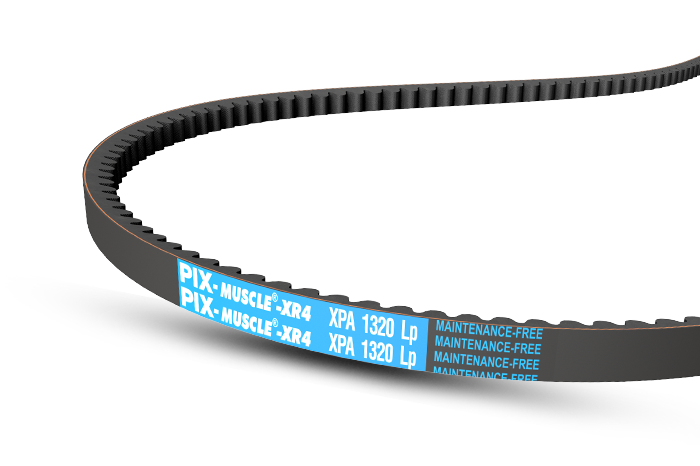
V belts are often small parts of a machine, but they play a very big role. When they fail earlier than expected, the result is usually downtime, extra costs, and a lot of frustration. What makes this more surprising is that many failures do not happen suddenly. The warning signs are often there, quietly building up over time.
So why do V belts fail before their expected life? Let’s uncover the top reasons, one by one, and explore what really happens behind the scenes.
1. Incorrect Belt Tension
One of the most common yet overlooked causes of early belt failure is wrong tension. It might sound simple, but even a small mistake here can slowly damage the belt.
When a belt is too tight, it puts extra stress on the belt and the machine parts. This can lead to cracks, stretching, or sudden breakage.
When a belt is too loose, it slips. This slipping creates heat, wears the belt surface, and reduces power transfer.
Key signs of tension problems include:
-
Squealing noises
-
Visible cracks or glazing
-
Frequent belt adjustments
The tricky part? These signs often appear long after the damage has already started.
Note:
Understanding why failures happen is the first step toward avoiding them. Small checks and correct choices can make a big difference in performance and safety. If you want expert guidance and reliable solutions related to V Belts(Keilriemen), Pix Germany GmbH offers deep industry knowledge and technical support. Contact them to explore smarter, longer-lasting belt solutions for your applications.
2. Poor Pulley Alignment
Even a strong belt cannot survive if it is forced to run in the wrong direction. Misaligned pulleys cause the belt to bend, twist, or rub unevenly.
This uneven movement leads to:
-
Fast edge wear
-
Uneven stretching
-
Sudden snapping under load
Common causes of misalignment
-
Improper installation
-
Worn machine parts
-
Machine vibration over time
| Alignment Issue | What Happens to the Belt | Long-Term Result |
|---|---|---|
| Slight misalignment | Uneven belt wear | Shortened belt life |
| Severe misalignment | Belt slips or jumps | Sudden failure |
| Ignored alignment | Heat buildup | Costly downtime |
What makes this dangerous is how quietly it happens. The belt keeps running, but damage keeps growing.
3. Using the Wrong Belt for the Job
Not all belts are made the same. Using the wrong type or size can cause serious problems, even if the belt looks like it fits.
Some belts are designed for:
-
High speed
-
Heavy loads
-
Hot environments
-
Constant stop-and-start use
Using a belt that cannot handle the working conditions leads to faster wear and early breakdown.
Common selection mistakes include:
-
Choosing based on size only
-
Ignoring load requirements
-
Overlooking temperature conditions
This mistake often shows its effects much later, making it hard to trace the real cause.
4. Lack of Regular Maintenance
Belts do not fail overnight. They wear out slowly, showing small signs along the way. Without regular checks, these signs are easy to miss.
Simple inspections can reveal:
-
Cracks
-
Fraying edges
-
Shiny or hard surfaces
| Maintenance Action | Benefit |
|---|---|
| Regular visual checks | Early problem detection |
| Cleaning pulleys | Better grip |
| Checking tension | Stable performance |
| Replacing worn belts | Prevents breakdowns |
Skipping maintenance may save time today, but it often costs much more tomorrow.

5. Environmental Factors
Sometimes, the belt is not the problem at all. The environment around it can slowly destroy it.
Harsh conditions include:
-
High heat
-
Dust and dirt
-
Oil or chemical exposure
-
Moisture
These factors weaken the belt material, reduce grip, and increase wear. What’s surprising is how fast this damage can happen, especially in extreme conditions.
Warning signs of environmental damage
-
Swollen or soft belts
-
Cracked surfaces
-
Slipping without load changes
Once environmental damage starts, belt life drops quickly.
Why These Failures Often Go Unnoticed
Most belt failures seem sudden, but the damage usually starts much earlier. Small issues like slight slipping, minor misalignment, or gradual wear often do not stop the machine right away. Since the system continues to run, these warning signs are ignored or missed during daily operation. Over time, heat, friction, and stress slowly weaken the belt. By the time visible damage appears, the belt is already close to failure.
Frequently Asked Questions (FAQs)
1. How long should a V belt normally last?
With proper use and care, a belt can last several years, depending on conditions and load.
2. Can a belt fail without visible damage?
Yes. Internal damage or stretching may not be visible until failure occurs.
3. Is belt noise always a sign of failure?
Not always, but repeated noise often points to tension or alignment issues.
4. Should all belts be replaced at the same time?
In many cases, yes. Replacing one belt in a set can cause uneven load sharing.
5. How often should belts be inspected?
A simple visual check every few weeks can prevent major problems.
Social Links
Facebook: https://www.facebook.com/pixgermanygmbh/
Instagram: https://www.instagram.com/pixgermanygmbh/
YouTube: https://www.youtube.com/user/pixtrans
LinkedIn: https://www.linkedin.com/company/pixgermanygmbh/
Twitter/X: https://x.com/pixgermanygmbh