Keeping food standards high every single day challenges even experienced kitchen teams greatly. Maintaining food quality requires attention to dozens of factors that change throughout service. Temperature swings and ingredient freshness affect final dishes more than most cooks realize. Busy rushes tempt staff to take shortcuts that hurt quality customers actually taste. Understanding what threatens consistency helps you prevent problems before they reach dining tables. This guide identifies key factors that determine whether your food stays excellent daily.
Why Does Ingredient Storage Temperature Matter So Much?
Bacteria multiply rapidly when foods sit in danger zones between 40 and 140 degrees. Cold storage below 40 degrees slows spoilage but does not stop it completely. Freezers must stay at zero or below to preserve meats and vegetables long term. Temperature fluctuations from opening coolers constantly stress ingredients and reduce shelf life quickly. Warm kitchens make refrigeration work harder which can raise internal storage temperatures dangerously. Staff leaving doors open during prep wastes energy and risks everything inside going bad. Monitoring storage temperatures protects maintaining food quality and prevents expensive ingredient losses too. Your thermometers need daily checks because mechanical failures happen without obvious warning signs.
How Do Prep Time Limits Affect Final Dish Quality?
Cutting vegetables hours before service causes oxidation that browns surfaces and dulls flavors. Pre cooked items dry out under heat lamps which ruin textures customers expect. Herbs wilt quickly after chopping so timing this prep right before cooking matters. Sauces separate or develop skin when sitting too long in storage containers. Fresh prep right before service tastes noticeably better but requires more labor during rushes. Balancing efficiency with quality determines whether your kitchen can handle volume without compromising. Smart scheduling lets you prep some items early while doing others last minute. Maintaining food quality depends on knowing which ingredients tolerate waiting and which do not.
What Role Does Cooking Oil Quality Play in Taste?
Fresh oil fries foods evenly and adds clean taste without off flavors appearing. Used oil breaks down and creates bitter burnt tastes that ruin fried items. Dark colored oil signals degradation from overheating or too many uses already. Filtering oil between services extends life but cannot restore quality once severely degraded. Different foods leave flavors in oil which transfers to the next item you fry. Oil temperature affects absorption so too cool means greasy while too hot burns. Restaurants in CA with high frying volumes need strict oil change schedules maintained. Your frying quality directly reflects oil management practices staff follow every single day.
How Can Proper Seasoning Timing Improve Flavor Results?
Salting meat too early pulls moisture out which creates drier, less juicy results. Adding herbs at the wrong times burns delicate leaves or fails to release essential oils. Acidic ingredients like lemon juice break down proteins differently depending on when added. Seasoning cold ingredients before cooking distributes flavors better than adding after heating starts. Tasting throughout cooking lets you adjust seasoning before serving rather than after complaints. Different staff members have varying salt preferences which creates inconsistent results customers notice immediately. Written recipes with specific timing instructions prevent guesswork that causes quality variations daily. Maintaining food quality requires disciplined seasoning approaches that everyone follows without personal adjustments.
Why Does Cookware Condition Affect Food Quality Outcomes?
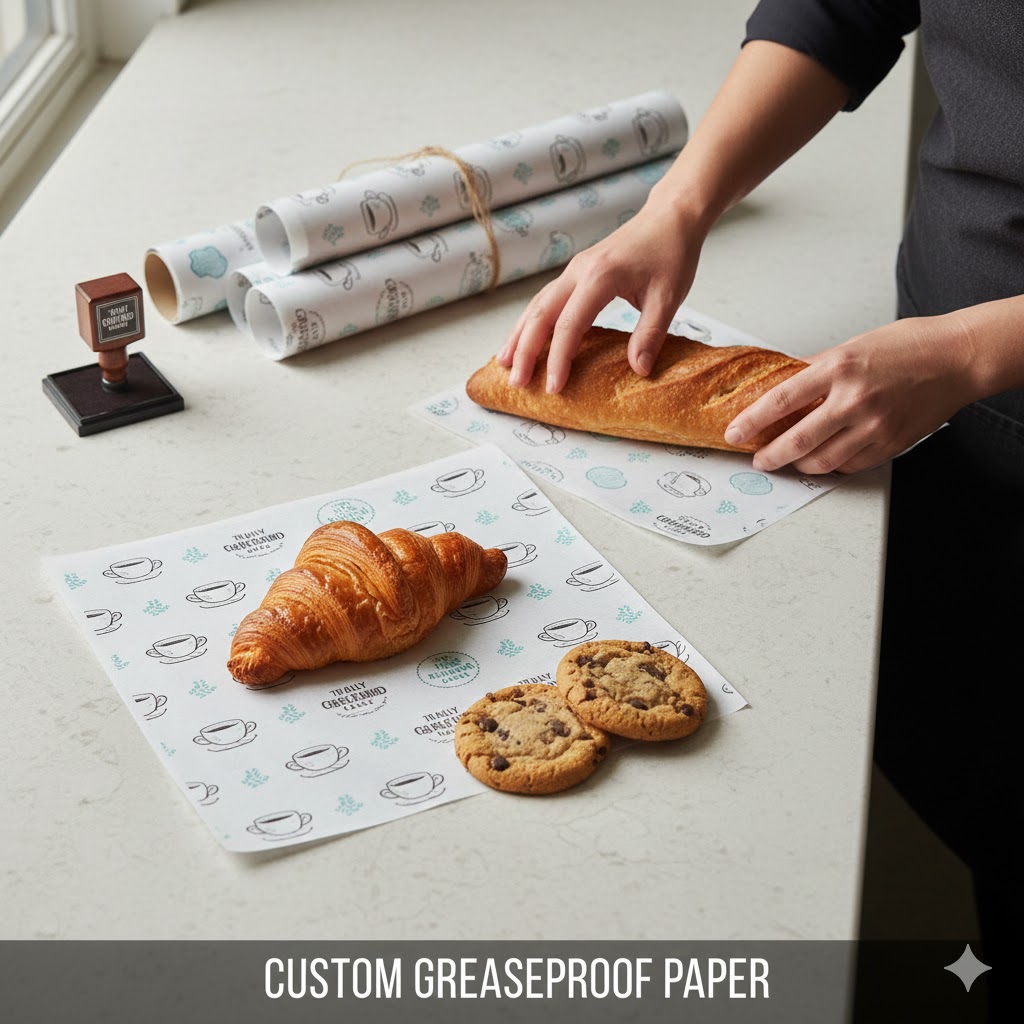
Warped pans create hot spots that cook unevenly and burn some areas. Damaged nonstick surfaces release particles into food and fail to prevent sticking anymore. Dirty equipment transfers old flavors and bacteria to fresh batches being prepared. Using greaseproof paper prevents food from absorbing unwanted oils during baking and storage periods. Proper cleaning between uses stops cross contamination that makes customers sick or complains. Replacing worn cookware costs money but prevents bigger problems from poor cooking results. Regular equipment inspections catch problems before they affect dishes going to dining tables. Your cookware inventory determines maximum quality standards you can possibly achieve cooking anything.
How Do Serving Temperatures Impact Customer Satisfaction Levels?
Hot foods served lukewarm disappoint customers regardless of how well you cooked them. Cold salads at room temperature raise safety concerns and taste wilted or spoiled. Timing between cooking and serving determines whether dishes reach tables at peak quality. Heat lamps keep food warm but dry out proteins and vegetables over time. Plates preheated in warmers help hot foods stay at proper temperature longer during eating. WaxPapersHub provides insulated containers that maintain ideal serving temperatures for takeout and delivery orders. Staff coordination between kitchen and servers prevents food sitting while waiting for runners. Maintaining food quality through service requires systems that prioritize temperature from stove to table.
What Makes Consistency Training Critical for Kitchen Teams?
New cooks interpret recipes differently which creates variations customers notice between their visits. Rushed training during busy periods teaches bad habits that persist for months afterward. Video demonstrations show exact techniques better than written instructions alone can communicate. Regular tastings let the entire team calibrate their understanding of proper seasoning levels. Rotating staff between stations prevents skill gaps that hurt quality when someone calls out. Documenting every process creates references that reduce arguments about correct methods to use. Consistent results require ongoing training investments that many restaurants skip to save money. Your commitment to training directly determines how reliably you deliver maintaining food quality standards.
How Can Smart wrapping Preserve Quality Beyond Kitchen Doors?
Takeout containers that trap steam make crispy items soggy before customers even arrive. Food paper designed for specific dishes prevents common problems like grease stains or temperature loss. Compartments keep sauces separate until customers want to mix them at their locations. Clear materials let quality show through which builds confidence in what people ordered. Cheap wrapping suggests you care less about takeout customers than dine in guests who tip. Instructions printed on boxes help customers reheat or serve items properly at homes. Quality wrapping extends your reputation to places you never physically reach or control directly. Maintaining food quality includes everything from ingredients through final consumption wherever that actually happens.